
Last updated November 15, 2026
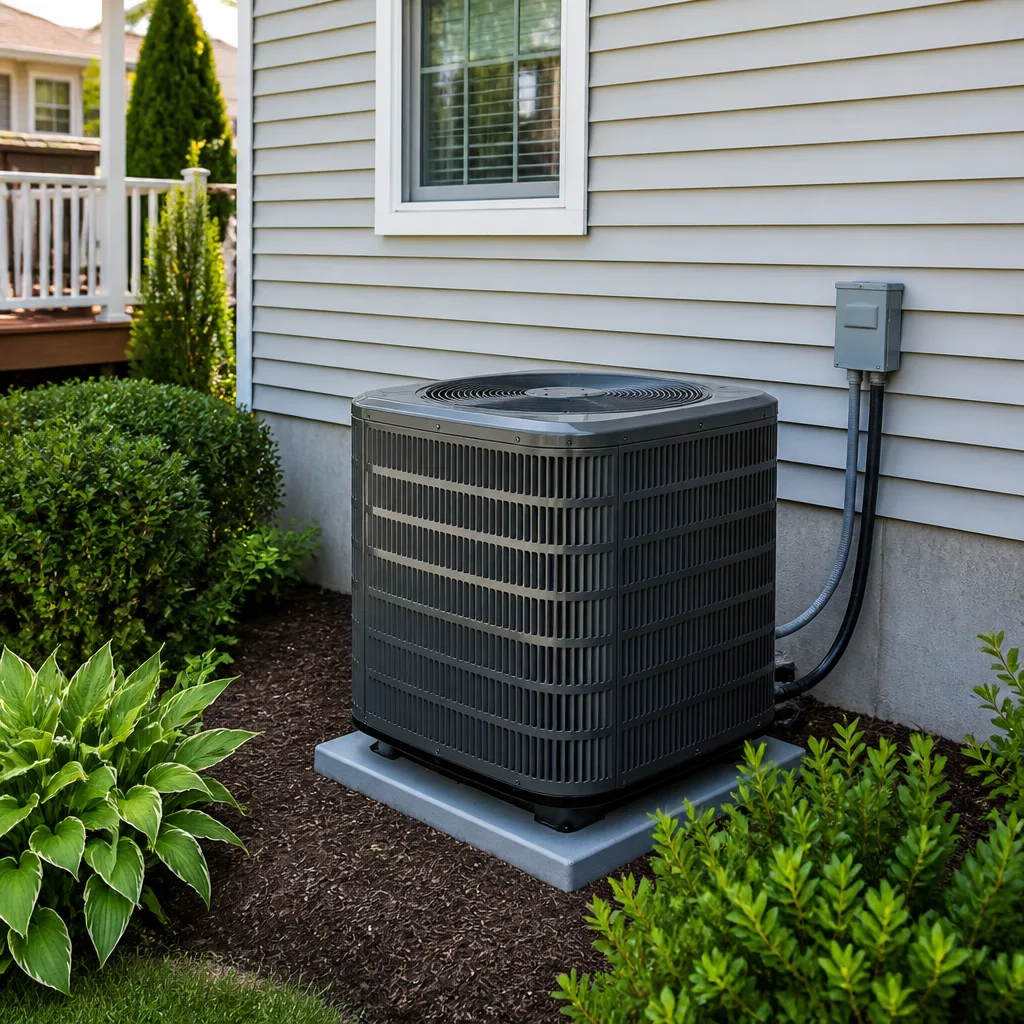 AC repair
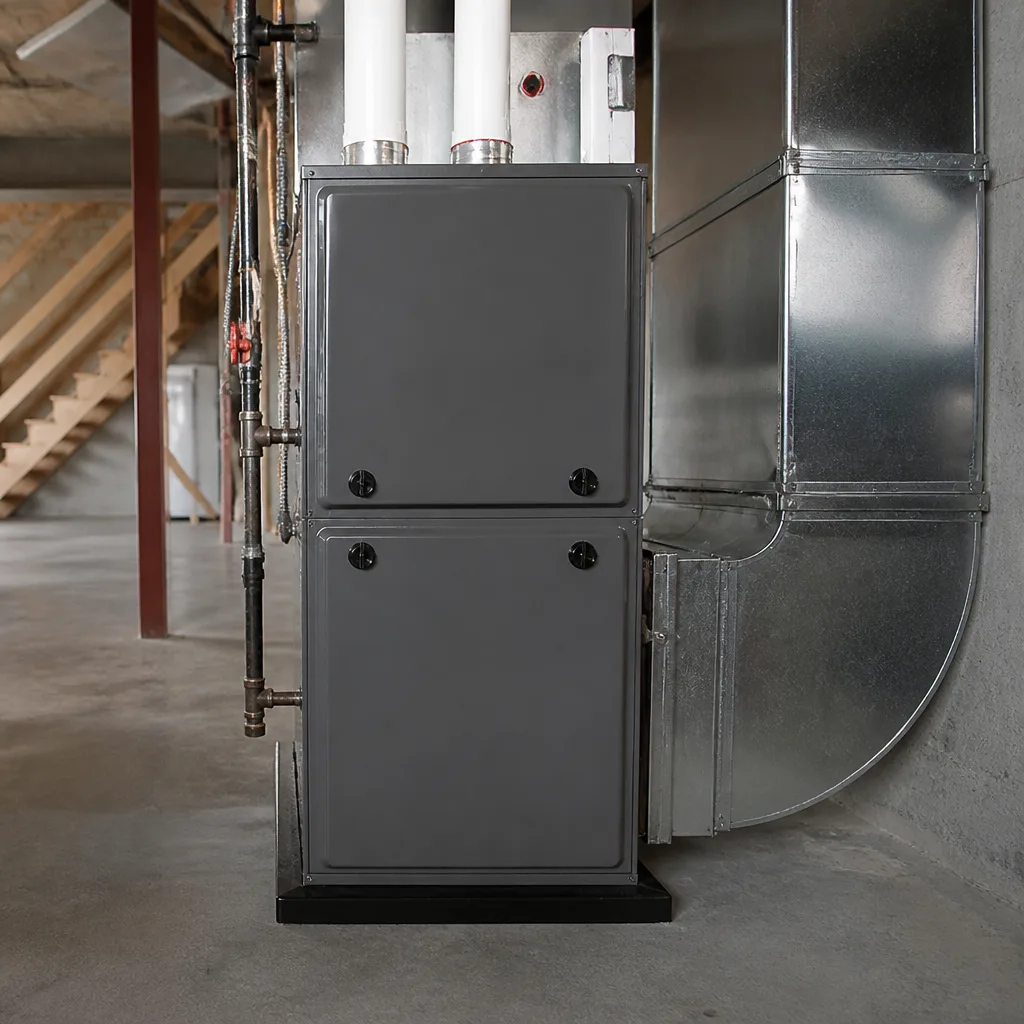 Furnace & heating
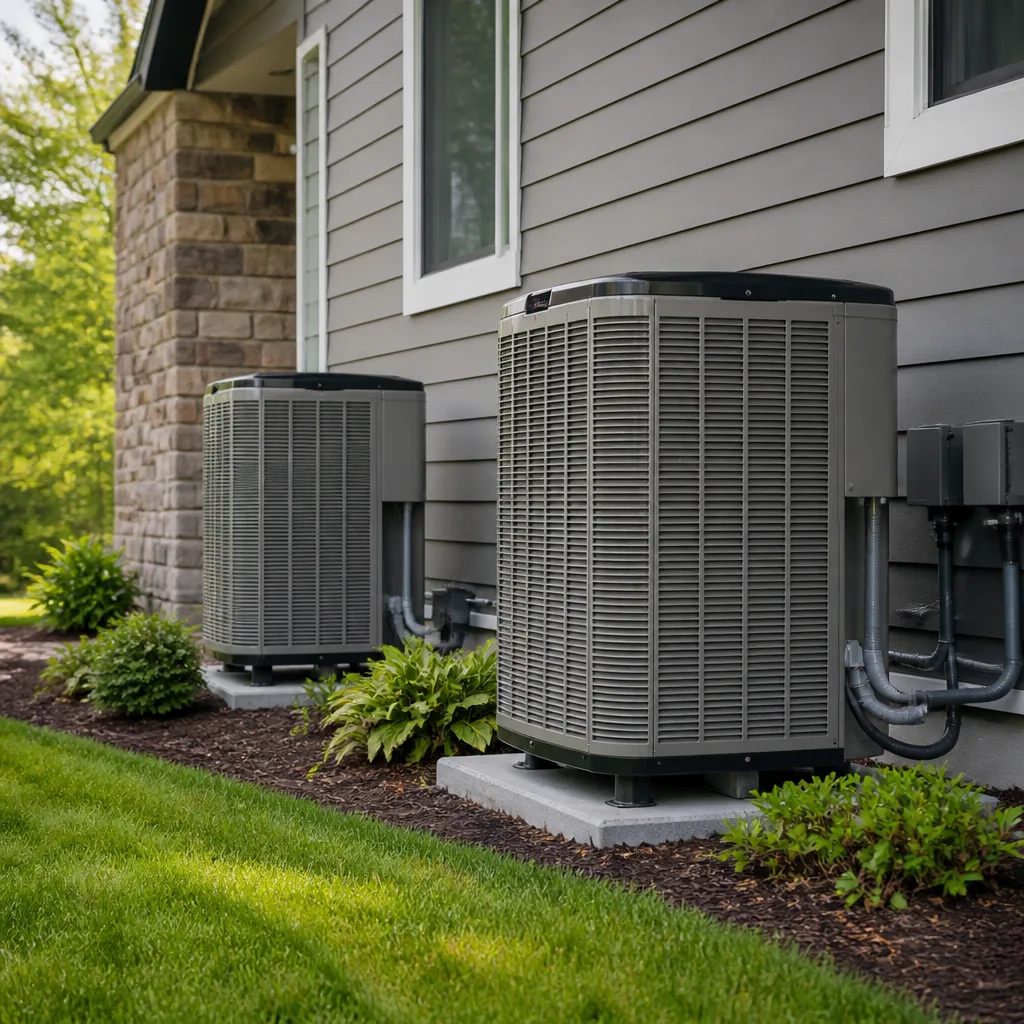 Heat pumps
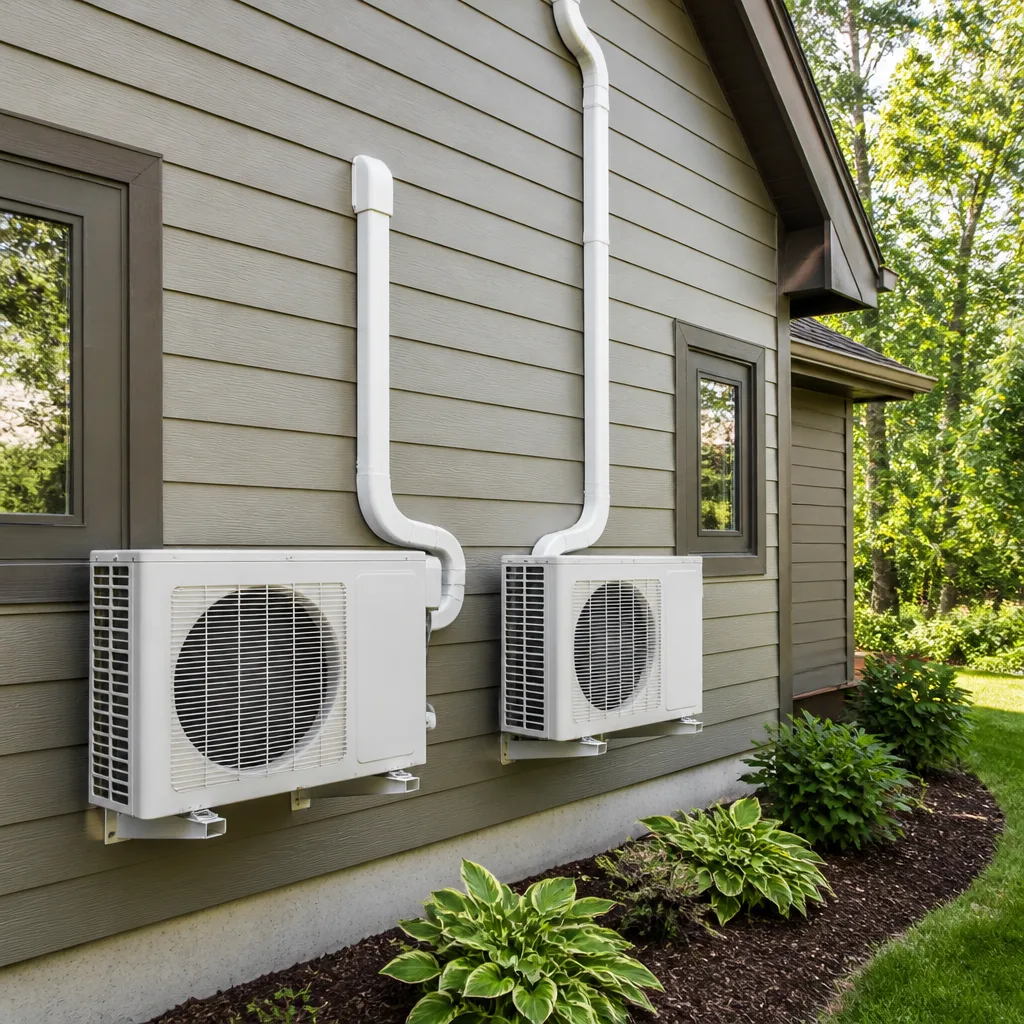 Ductless mini splits
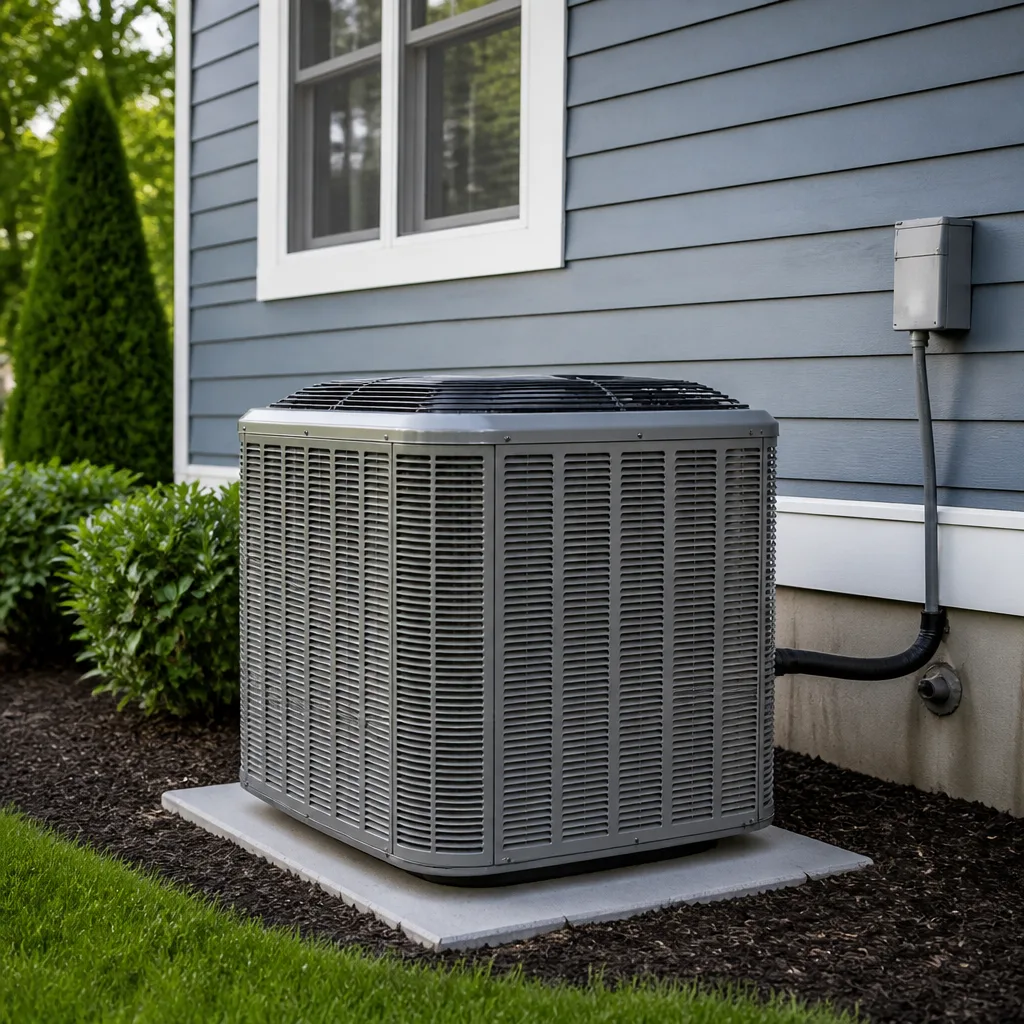 Carrier
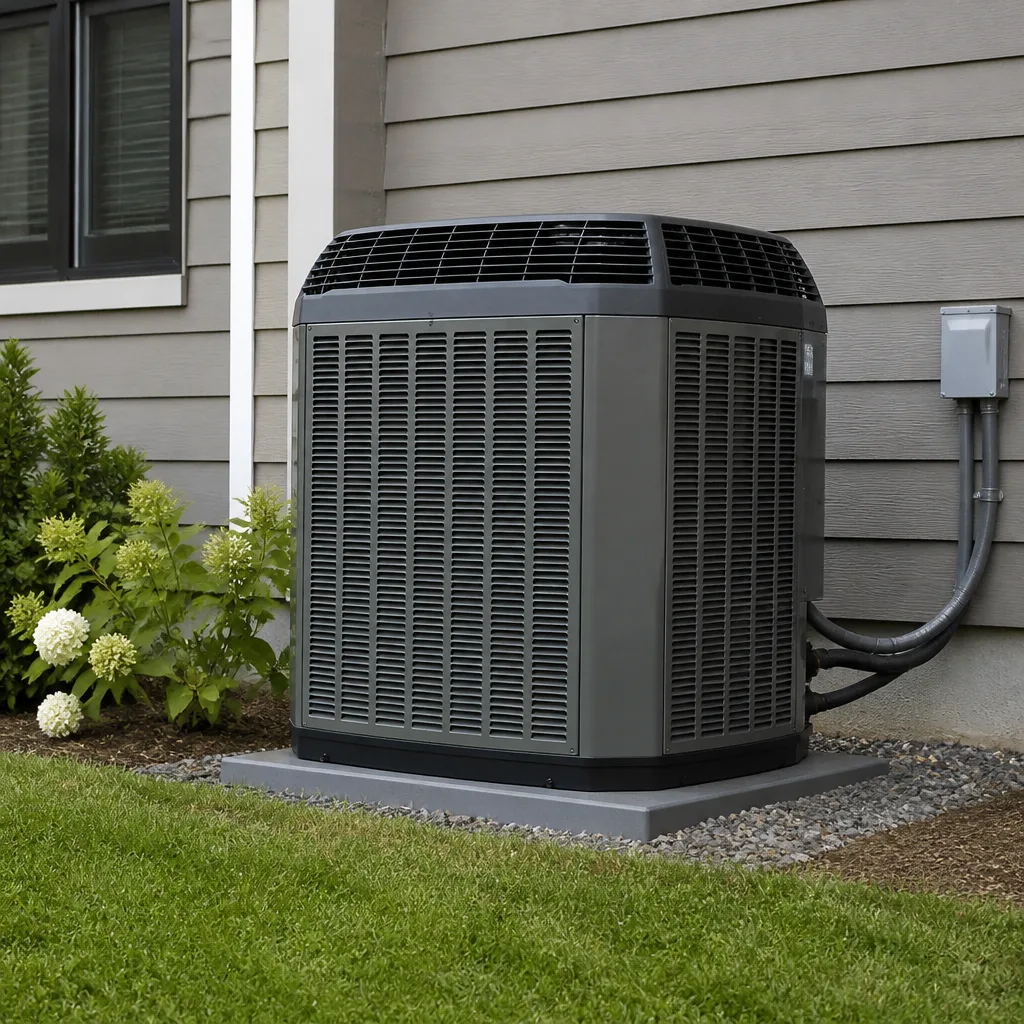 Trane
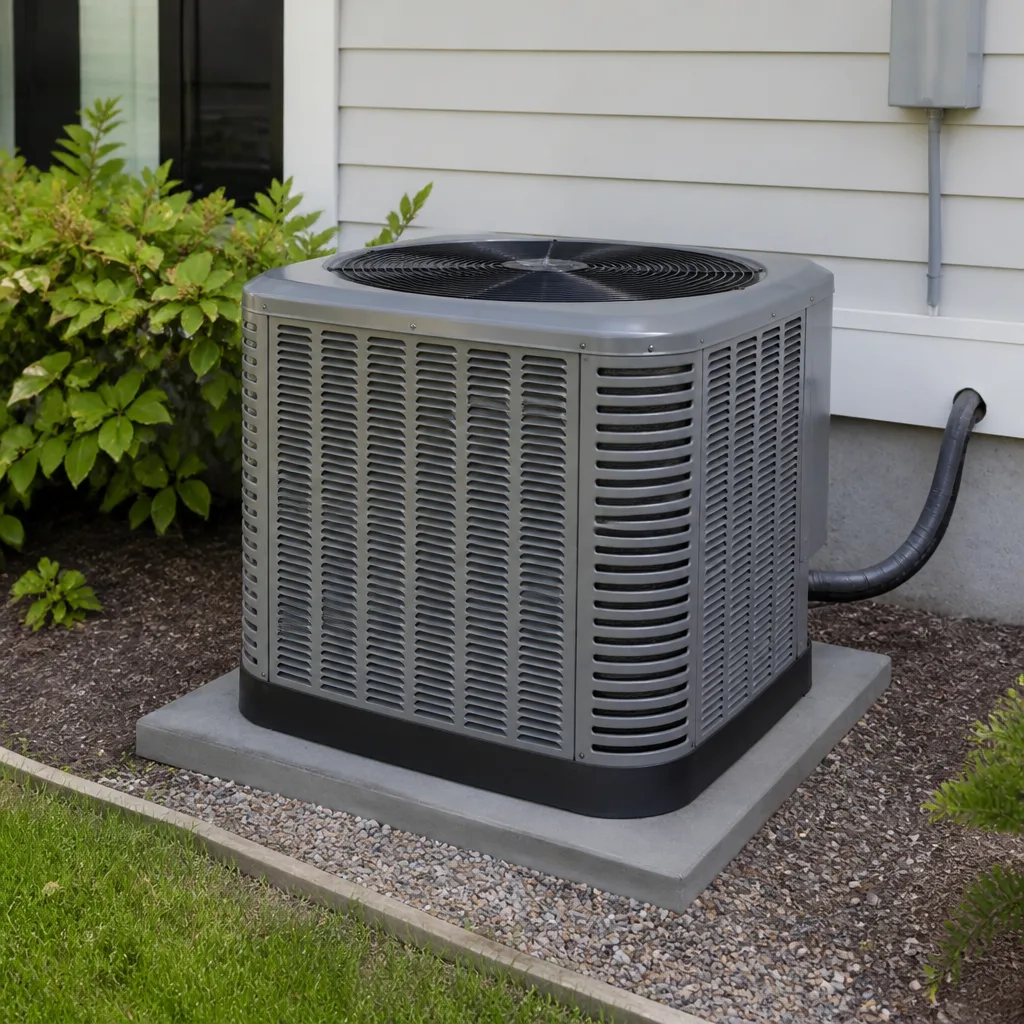 Goodman
Seasonal tune-up and full diagnostic on your Carrier, Trane, or Goodman system - readings shown to you before any repair is proposed
Diagnosis first, numbers second - you approve the repair price before a single part goes in.
Get your free estimateHVAC Cost Breakdown: The Cape Coral Homeowner’s Reference for 2026
Two quotes for the same 3-ton system in Cape Coral can land $3,000 – $5,000 apart. Neither one is automatically wrong. The cheap quote may skip the permit or leave your old equipment on the curb; the expensive one may bury a big labor cushion in the line items. We’ve watched homeowners pick the middle number out of exhaustion and end up paying for parts they didn’t need. This guide breaks a Cape Coral HVAC quote into its actual pieces, so you can read one line by line and know what’s fair.
Quick Answer
A 3-ton AC replacement in Cape Coral typically runs $6,000 – $9,500 in 2026, an air handler swap alone usually falls in the $2,000 – $3,500 range, and a full system install with new indoor and outdoor equipment typically costs $9,000 – $14,000. Equipment makes up roughly half to two-thirds of that total. Permits, disposal, and SEER2 equipment upcharges are what push Cape Coral above national averages. Your written estimate sets the final price.
Styles & brands we work with
- AC repair
- Furnace & heating
- Heat pumps
- Ductless mini splits
- Carrier
- Trane
- Goodman
Table of Contents
- Why HVAC quotes in Cape Coral swing so widely
- What the most common Cape Coral jobs cost in 2026
- Where the money actually goes: equipment, labor, and permit
- What drives the local premium over national averages
- How SEER2 affects upfront cost vs. long-term savings at FPL rates
- Which line items are negotiable and which are fixed
- Financing and rebates that reduce your out-of-pocket cost
- How to read an HVAC quote in five steps
Why HVAC quotes in Cape Coral swing so widely
The same job description can produce wildly different numbers because “3-ton replacement” is not a standardized product. Two contractors can write those four words and mean completely different things.
In our experience, the gap usually comes down to five variables:
- Equipment tier. A base-model 14.3 SEER2 condenser and a two-stage 15.2 SEER2 unit are both “3 ton” and both legitimate. Their prices are not close.
- Scope of the indoor side. Some quotes replace only the condenser. Others replace the condenser, air handler, line set, pad, disconnect, and thermostat. That’s not padding; it’s a different job.
- Permit handling. Cape Coral requires permits for HVAC replacement, and the fee lands on the quote. A quote without a permit line is telling you something.
- Old equipment disposal. Refrigerant recovery and hauling the old condenser and air handler off the property is real work with a real cost.
- Duct assessment. A system running into leaking or undersized ducts will never deliver its rated efficiency. Some contractors test duct static pressure and include sealing; others assume the ducts are fine.
None of these is a trick. The trick is when a quote omits what the competitor included and the homeowner compares totals as if they were the same scope. Before you compare a single number, line up the scope. Cape Coral’s housing stock is mostly block-construction homes built across several decades, and the indoor closet or attic setup varies from house to house. That variation matters when a contractor prices labor.
What the most common Cape Coral jobs cost in 2026
These are typical ranges for common jobs in the Cape Coral market. They are estimates, not fixed prices. Your written estimate sets the final number.
3-ton AC replacement
A 3-ton system is the workhorse size for a mid-size Cape Coral home. Typical 2026 range: $6,000 – $9,500.
- Condenser and matching air handler: $3,500 – $6,000
- Labor for removal, install, and startup: $1,500 – $2,500
- Permit and inspection: $250 – $600
- Old equipment disposal and refrigerant recovery: $150 – $350
- Line set replacement if needed: $300 – $700
Air handler swap (indoor unit only)
When the outdoor condenser is healthy and the indoor air handler has failed, a swap keeps costs down. Typical range: $2,000 – $3,500.
- Air handler unit: $1,200 – $2,200
- Labor: $600 – $1,000
- Permit (if required for the swap): $200 – $400
Full system install with new equipment
Complete replacement of both indoor and outdoor equipment plus new thermostat and line set. Typical range: $9,000 – $14,000, higher for higher-efficiency or variable-speed systems.
Brands matter less than the tier you choose. We work on whatever brand you have, including Daikin, Bryant, American Standard, and Carrier, and we don’t upsell based on which manufacturer we happen to stock. A AC installation quote should list the equipment model, the efficiency rating, and the scope of what’s being replaced.
Where the money actually goes: equipment, labor, and permit
Most of any HVAC quote sits in equipment, but the split tells you whether you’re being sold a system or a service.
Here’s roughly how a typical 3-ton replacement breaks down:
- Equipment: 55% – 65% of the total
- Labor: 25% – 30%
- Permit and inspection: 3% – 6%
- Disposal and recovery: 2% – 4%
- Miscellaneous (thermostat, pad, disconnect, sealant): 3% – 8%
When the equipment percentage climbs well above 65%, you’re likely being quoted a premium tier or a system you didn’t ask for. When labor drops below 20%, the contractor is probably cutting scope: skipping the permit, reusing the old line set without checking it, or not testing duct static pressure. Neither is automatically wrong. But those are the exact trade-offs to ask about.
A legitimate permit line is non-negotiable. Cape Coral requires permits for HVAC equipment replacement, and the inspection is there to confirm the install was done to code. If a quote has no permit line, ask why before you sign anything.
What drives the local premium over national averages
Cape Coral HVAC pricing runs above national averages for reasons that show up in every quote. None of them is marketing.
The main drivers:
- Permits and inspections. Most Cape Coral HVAC replacements require a permit and a passing inspection. That’s a real cost baked into a legitimate quote.
- Equipment built for a hot, humid climate. Equipment rated for this climate tier carries a modest upcharge over standard units. Air handlers and condensers that hold up in sustained heat and heavy humidity are a different spec than what a national average reflects.
- Disposal and refrigerant recovery. Old equipment must be recovered, handled properly, and hauled away. It’s not free in any market.
- Roof and attic access. Cape Coral’s block-construction homes vary widely in how indoor units are set up. A second-floor closet, a tight attic, or a garage-mounted air handler each change labor.
- Demand seasonality. When the summer heat index runs long and hot, demand for replacement pushes scheduling out. Pricing follows demand. Cape Coral runs hot for most of the year, and there’s no mild shoulder season here to absorb the workload the way there is in cooler markets.
That combination explains the typical gap between a Cape Coral quote and a national-average figure for the same nominal job. If your quote doesn’t account for these costs, one of you is missing something.
How SEER2 affects upfront cost vs. long-term savings at FPL rates
SEER2 is the efficiency rating printed on the equipment. It’s not a quality rating. It’s the number of BTUs a system moves per watt-hour of electricity it uses. Higher is more efficient. Higher also costs more upfront.
The math is straightforward once you know where to look:
- Look at the SEER2 rating on both your current system (if it’s still running) and the quoted replacement.
- Pull your FPL bill for the hottest three months and find the cooling portion. Most FPL customers can separate cooling from the rest of the bill.
- Estimate the reduction in cooling load from a higher SEER2 system. Moving from a 14.3 SEER2 base model to a 15.2 SEER2 model costs more upfront, but at FPL’s rates it typically produces a modest reduction in cooling cost each summer, and that reduction adds up over the system’s lifespan.
- Compare that reduction against the difference in upfront price. If a higher-efficiency system adds $1,200 upfront and saves roughly $40 – $60 per month in a real Cape Coral summer, the payback period is short enough to be worth considering.
- Ask about two-stage or variable-speed compressors. They cost more but cycle more gently and are quieter, and at FPL rates they can reduce consumption further.
Two things to know before choosing on SEER2 alone. First, if the ducts leak, no SEER2 rating will hold, because the cooled air never reaches the rooms. Second, high-efficiency systems deliver their rating only if the air handler matches. Pairing a 15.2 SEER2 condenser with the original air handler is a common mistake and a quiet way to erase your savings.
The other comparison to know is against national averages. Cape Coral homes run heat pumps for cooling almost year-round, so SEER2 efficiency pays back faster here than in a market that uses the system for four or five months. That’s a legitimate reason to lean higher-efficiency in this climate. It’s also a reason a quote for a base-model unit is not automatically the wrong choice, if the ducts are tight and your bill is already manageable.
Which line items are negotiable and which are fixed
Some quote lines exist because they’re required. Others exist because the contractor chose to put them there. Knowing which is which is the entire point of reading a quote carefully.
Here’s how we break it down for Cape Coral homeowners:
Fixed costs (a legitimate contractor cannot cut these)
- Permit fee. Cape Coral’s fee structure for HVAC permits is set by the city. It’s not a number a contractor can negotiate down on your behalf without skipping the permit, which puts you on the hook for a failed inspection later.
- Equipment cost. Manufacturers set dealer pricing. A contractor can offer a different tier of equipment, but not a deep discount on the same model.
- Refrigerant recovery and disposal. Recovery is required by federal law. Disposal is not free.
Negotiable or flexible items
- Efficiency tier. You can choose a base model instead of a premium tier. That’s a real reduction without cutting any corners.
- Thermostat. A standard programmable model vs. a higher-tier smart thermostat is a real choice.
- Duct work scope. Sealing leaking joints is cheap and valuable. A full duct replacement is a much bigger line and may or may not be necessary for your system to perform. Ask what was measured, and why.
- Line set. Replacing a line set that passes pressure testing is optional. Replacing one that fails is not.
If a quote lists a big charge with no scope detail beside it, that’s the line to question. Ask what’s included, and what happens if it turns out to be unnecessary.
Financing and rebates that reduce your out-of-pocket cost
Replacement is a large upfront cost, and most Cape Coral homeowners are working with a budget. There are real paths to lower the out-of-pocket number, but you need to know what’s actually available in 2026 rather than what was available a few years ago.
Manufacturer financing
Most manufacturers, including Carrier, Daikin, and American Standard, offer dealer financing programs on new equipment. These usually carry terms in the 6 – 60 month range and sometimes offer promotional interest rates. Ask your contractor what financing programs the manufacturer currently offers on the models you’re considering. The terms change year to year, so don’t assume a program from an old advertisement still exists.
FPL programs and rebates
FPL periodically offers rebates and programs tied to high-efficiency HVAC equipment and home energy improvements. The specific rebates and eligibility change, so the number you see in a 2023 article is probably out of date. Two things to do:
- Check FPL’s current program pages for HVAC efficiency rebates before you sign anything.
- Ask the contractor if they handle the rebate paperwork for you, since most do.
If a contractor can’t tell you which rebates currently apply, that’s a reason to keep talking to a different one.
Tiered choice
Choosing a base-tier system instead of a premium tier is the simplest way to lower the upfront number without any financing or rebate. It’s a legitimate option, and its trade-off is a slower payback on efficiency.
How to read an HVAC quote in five steps
Here’s a practical process for evaluating any quote you get in Cape Coral.
- Confirm the scope is the same across quotes. Are both quotes replacing the air handler? Is both including a permit? Line up the scope before comparing totals.
- Find the SEER2 rating and the brand on the equipment line. A quote without a model number is an estimate, not a proposal.
- Check for the permit line. A quote without a permit for a Cape Coral replacement is a red flag. Ask why.
- Ask about the ducts. What was measured, and does the quote include sealing? Ducts are the most commonly skipped step and the most common reason a new system underperforms.
- Compare financing and rebates last. A lower monthly payment on a quote $2,000 higher is not actually a better deal. Compare the total cost before financing.
We’ll add one more: ask about the old equipment. Disposal and refrigerant recovery should be a line item. If it’s not, the quote is probably incomplete.
Common Mistakes to Avoid
- Picking the middle quote out of fatigue. The middle number tells you nothing about scope. Line up what’s actually included across all quotes before you decide. Two homeowners can choose the same contractor and end up with different outcomes depending on whether they read the line items.
- Comparing a quote with a permit to one without. Cape Coral HVAC replacements usually require a permit. A quote without one is cheaper upfront and more expensive if an inspection fails down the road.
- Buying high-efficiency without matching the air handler. A 15.2 SEER2 condenser paired with an old air handler will not deliver the rating. The system will run, and your bill will not reflect the efficiency you paid for.
- Ignoring the ducts. Leaking ducts in an attic or closet can cost 15% – 30% of your cooling. If the quote doesn’t mention duct sealing, ask whether the ducts were tested.
- Assuming the cheapest tier is “cutting corners.” A base-tier 14.3 SEER2 system, correctly installed with a permit, is a legitimate choice. The upgrade decision is savings, not whether the base model “works.”
- Signing a quote with no model number. A quote that says “3-ton system” without a brand and SEER2 rating leaves you agreeing to an unknown system. Ask for the model number before you sign.
- Assuming a rebate you read about is still active. FPL and manufacturer programs change year to year. Confirm the current program before you count on the rebate in your budget.
See the difference
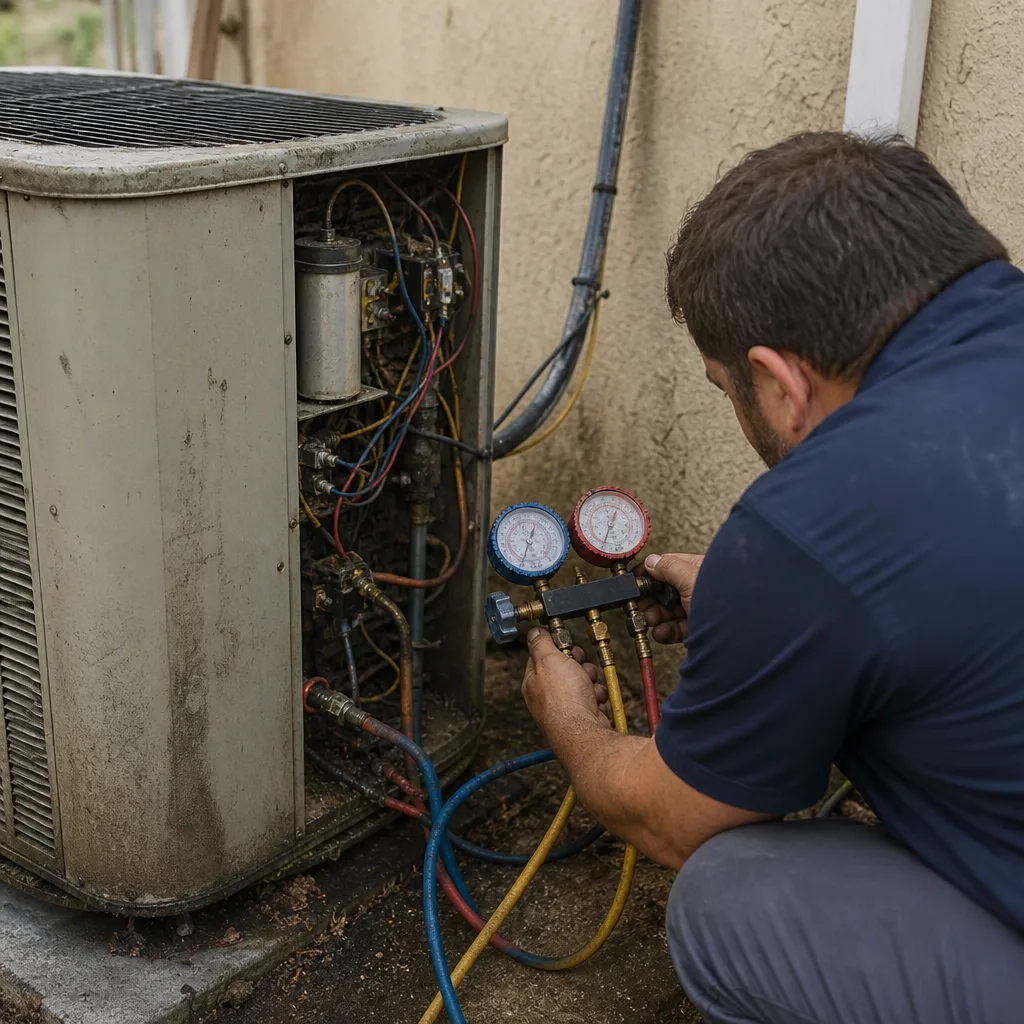 Before
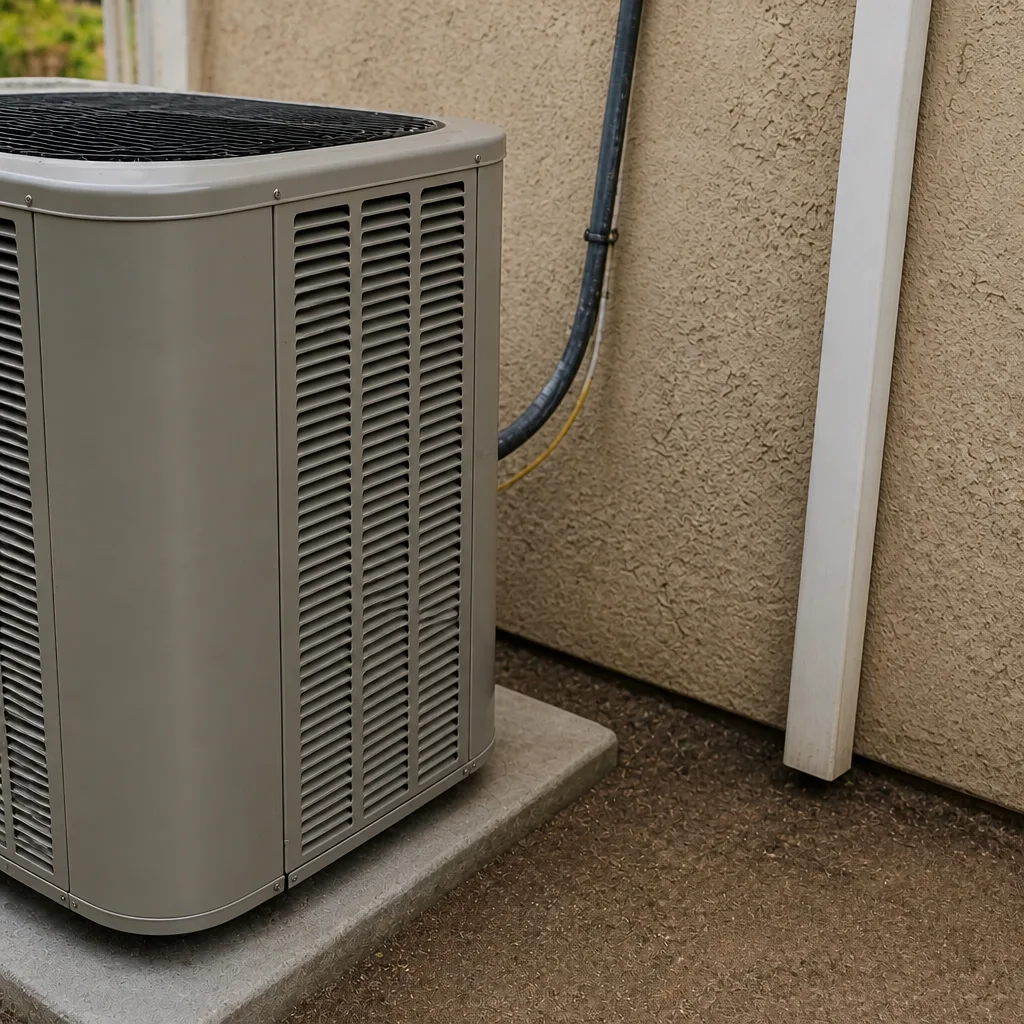 After
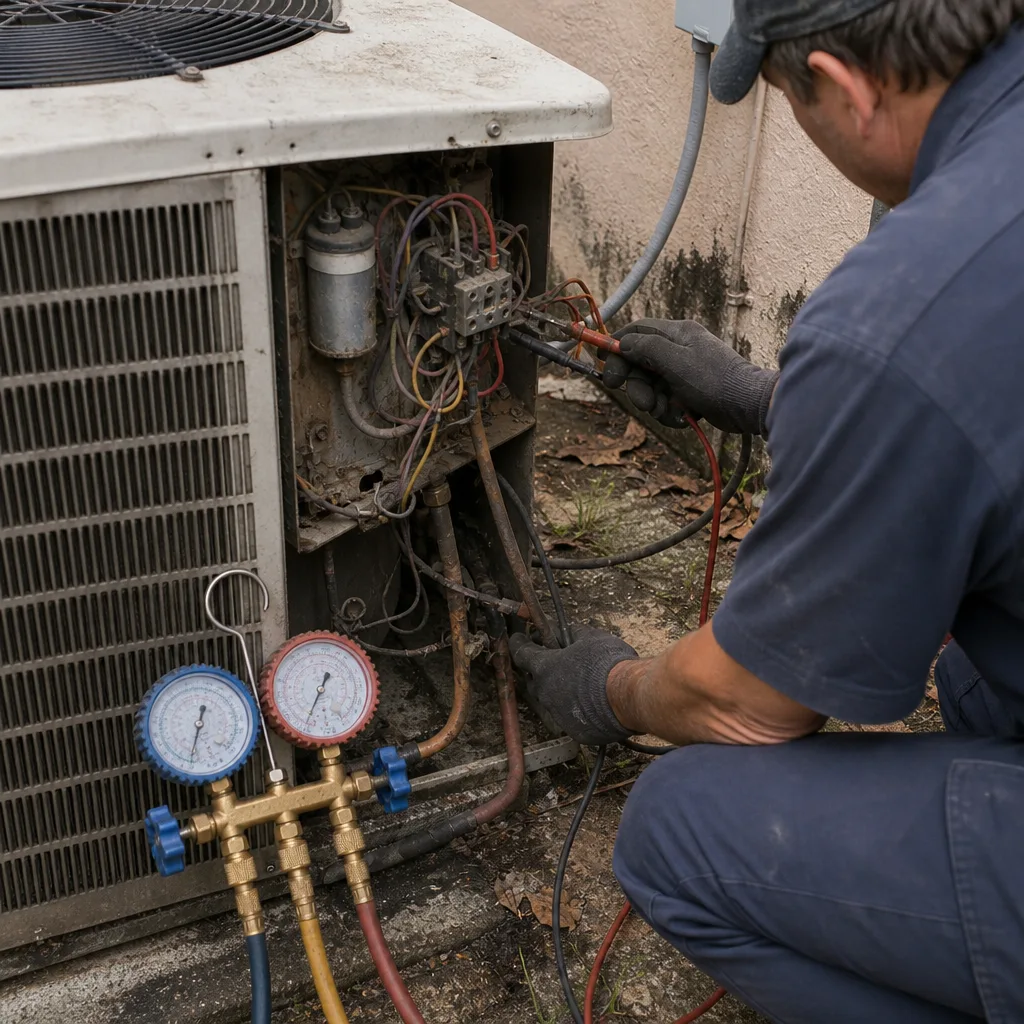 Before
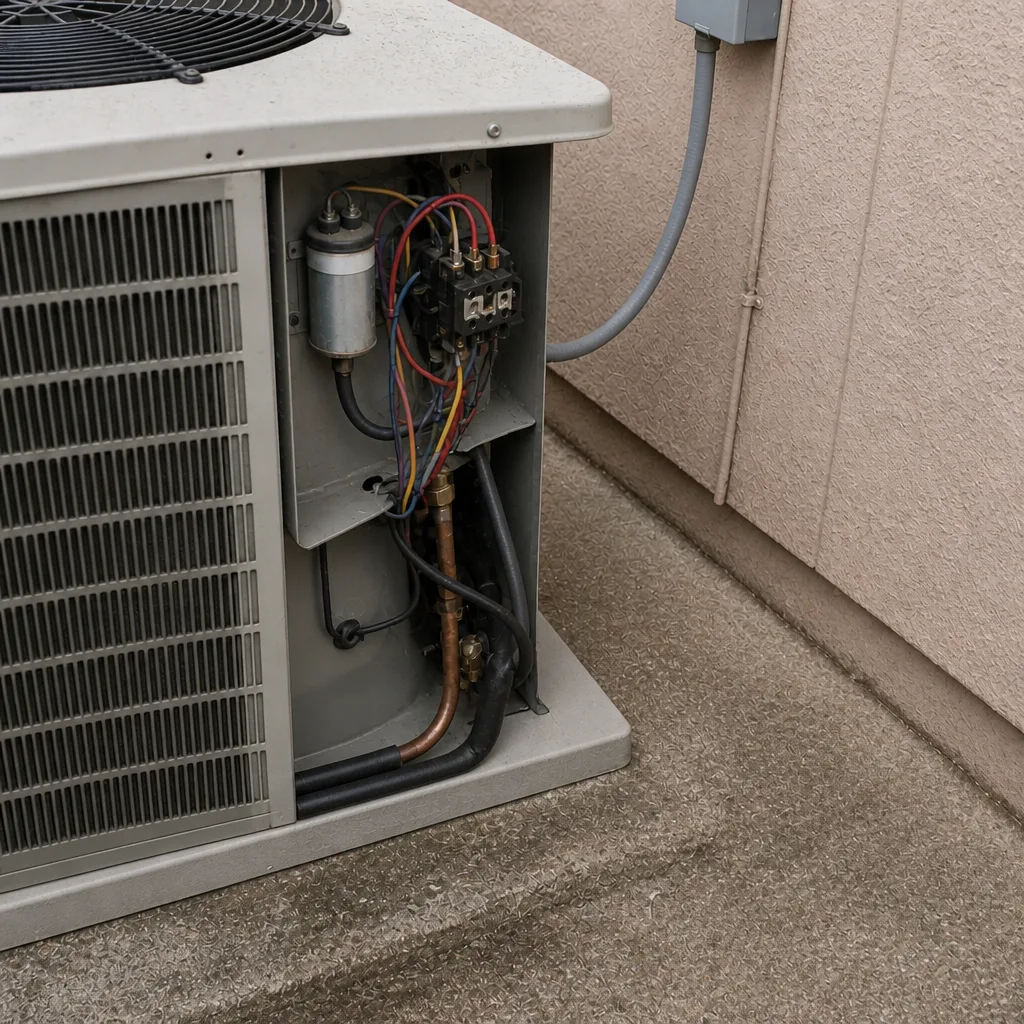 After
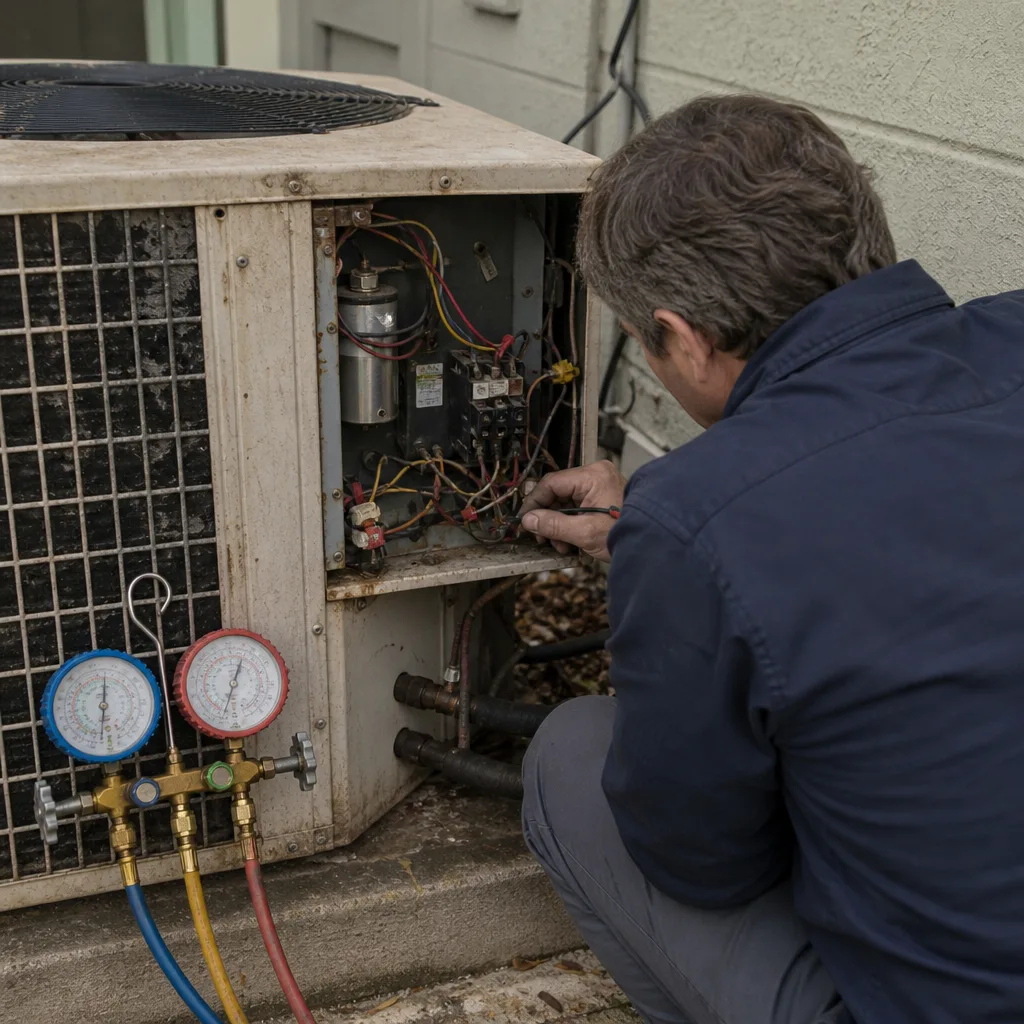 Before
 After
When to Call a Professional
Some HVAC work is a diagnostic decision; some of it needs a licensed technician on site. If your system is running but not cooling, the likely causes are low refrigerant, a failed capacitor, a dirty coil, or a failed compressor. Those are a furnace repair or AC diagnostic call, not a replacement. If your indoor unit is leaking water in the closet, freezing up repeatedly, or tripping the breaker, stop running it and call before it does more damage. If your system is over 15 years old and needing repairs every season, that’s a replacement conversation, not a repair one. Linden AC Repair offers free estimates in Cape Coral; call (855) 595-4793.
Frequently Asked Questions
A 3-ton AC replacement typically runs $6,000 – $9,500, and a full system install with new indoor and outdoor equipment typically runs $9,000 – $14,000. Equipment is 55% – 65% of the total; permits, disposal, and SEER2 upcharges push Cape Coral above national averages. Call (855) 595-4793 for an exact quote; estimates are free.
Because “3-ton replacement” describes scope, not a single product. One quote may include a permit, duct sealing, new line set, and a 15.2 SEER2 system; another may leave out the permit and reuse the old line set. Compare scope line by line before comparing totals. Call (855) 595-4793 and we’ll walk through a quote with you.
A permit for a residential HVAC replacement typically adds $250 – $600 to the total. The exact fee is set by the city, not by the contractor. A quote that omits the permit is not actually cheaper; it moves the cost to you if the inspection comes back and finds the work was done without one.
In this climate, a 15.2 SEER2 or higher system usually pays back faster than a base model because the cooling season runs most of the year and FPL rates are what they are. The gain only holds if the air handler matches and the ducts are tight. Ask about both before choosing on efficiency alone.
We work on whatever brand you have, including Carrier, Trane, Lennox, Goodman, Rheem, York, Daikin, Bryant, and American Standard. Brand-agnostic diagnostics mean we aren’t pushing a replacement just because the repair requires a part for a brand we don’t stock. Call (855) 595-4793 for a diagnostic visit.
Usually yes. Most manufacturers, including Carrier, Daikin, and American Standard, offer dealer financing, and FPL periodically offers rebates on high-efficiency equipment. Programs change year to year, so confirm the current terms before counting on them in your budget. Call (855) 595-4793 to ask which programs currently apply.
The Bottom Line
The gap you see between HVAC quotes in Cape Coral is usually a scope gap, not a pricing scam. A 3-ton replacement runs $6,000 – $9,500; a full system install runs $9,000 – $14,000. Equipment accounts for about half to two-thirds of the total, and permits, disposal, and SEER2 upcharges account for the local premium. Before you choose, line up the scope across quotes, look for the permit line, and check whether the ducts were tested. We handle AC installation and system replacement across Cape Coral with brand-agnostic diagnostics, not brand loyalty. One call covers it.
Call (855) 595-4793 for a free estimate. We answer 24/7. Fast dispatch from 7am to 7pm, Sunday through Friday.
Written by the team at Linden AC Repair.