
Last updated November 15, 2026
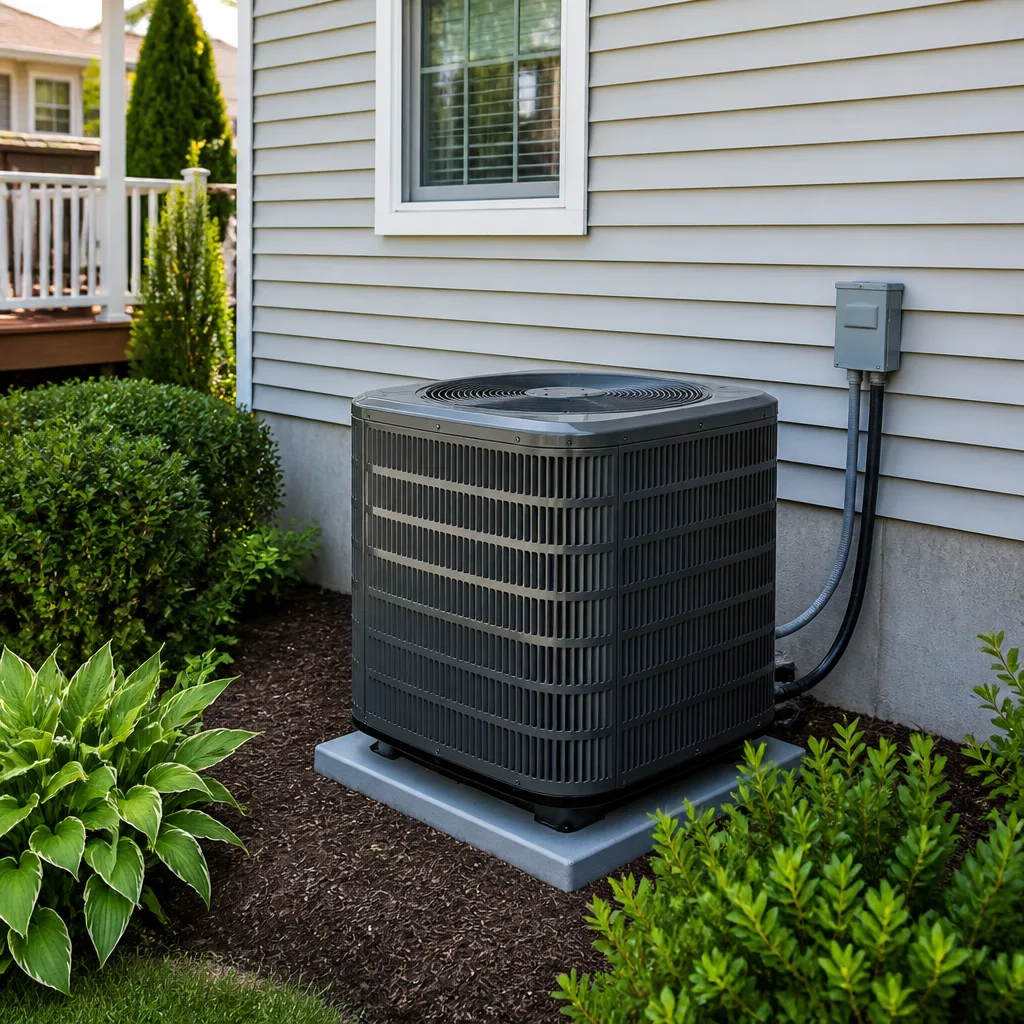 AC repair
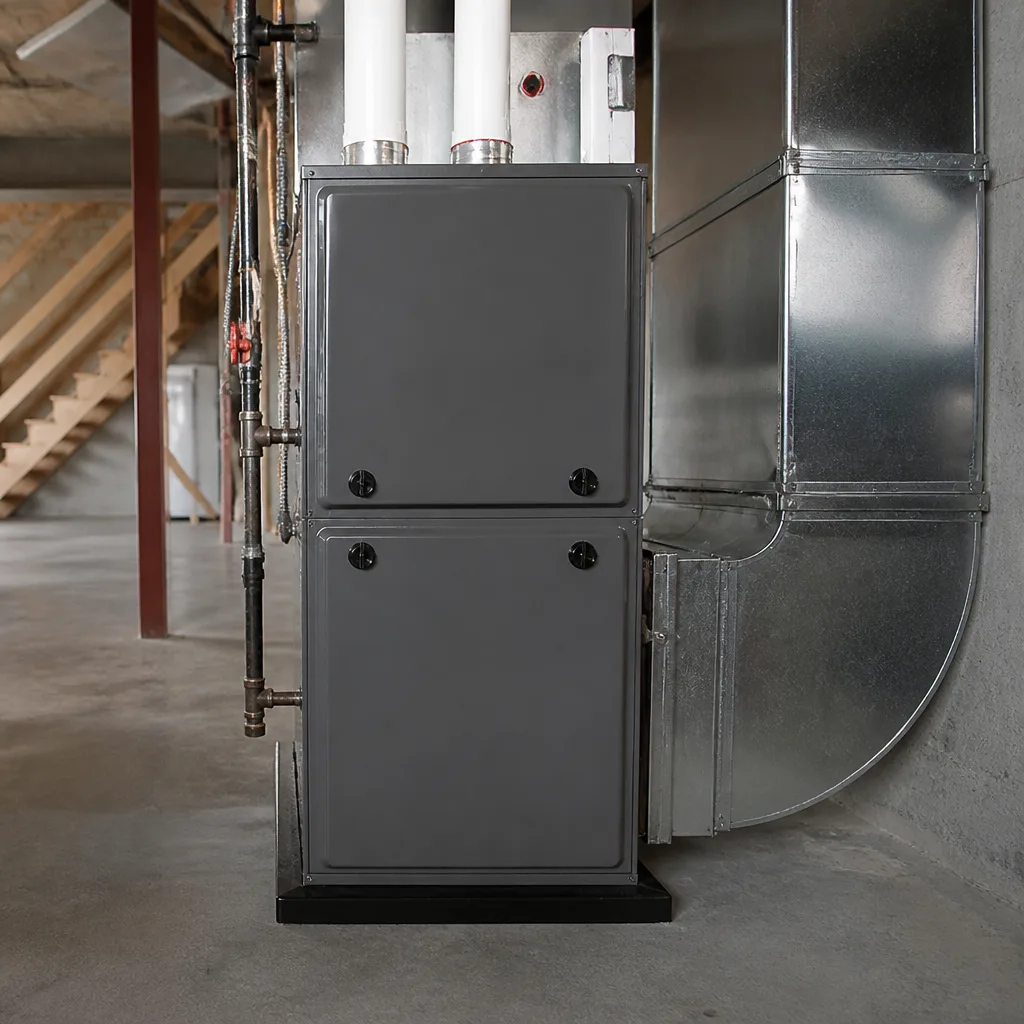 Furnace & heating
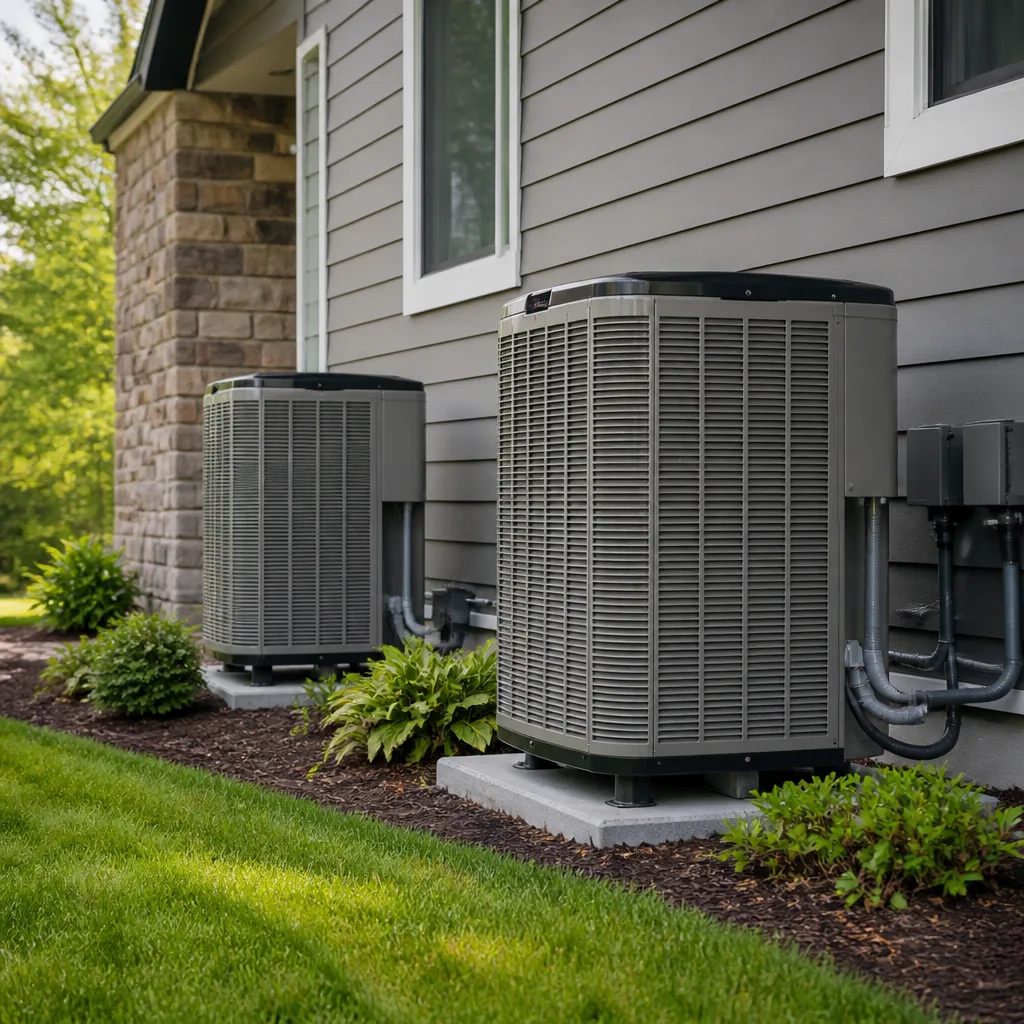 Heat pumps
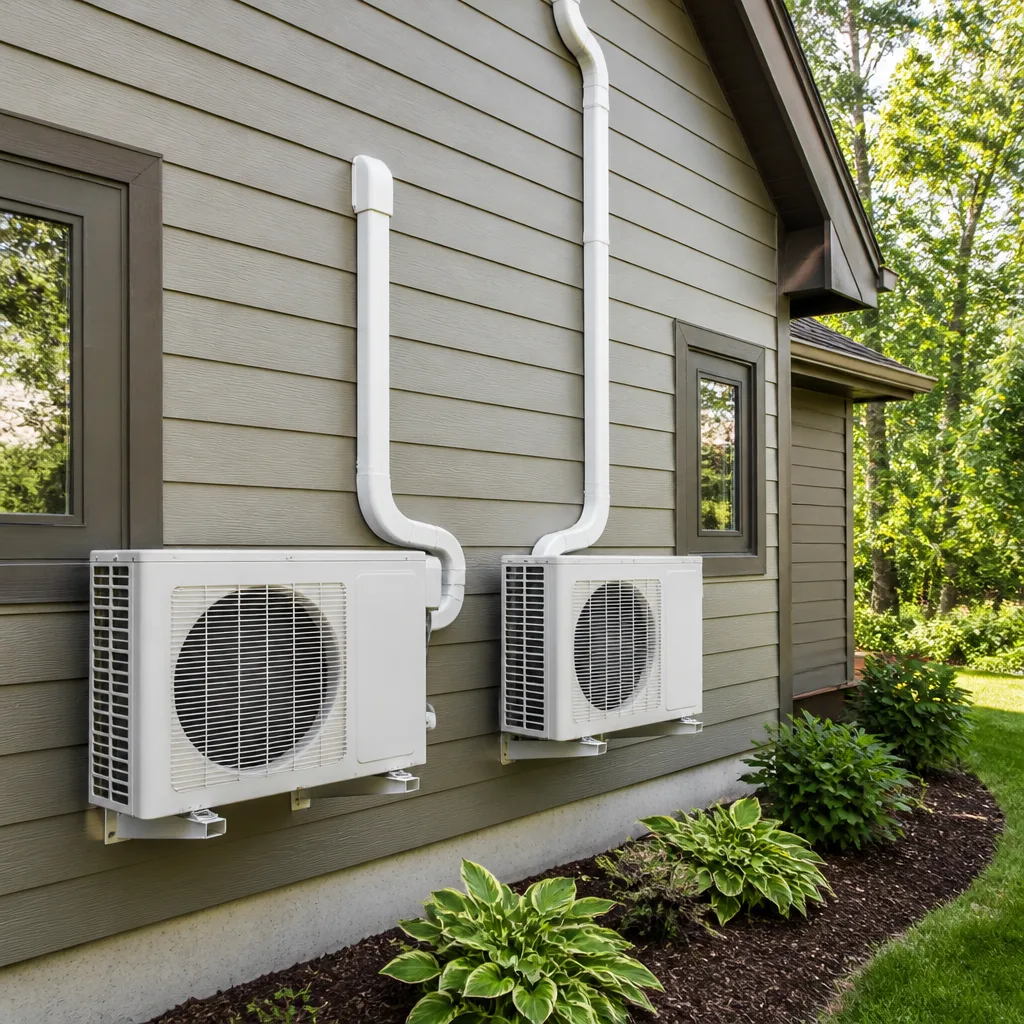 Ductless mini splits
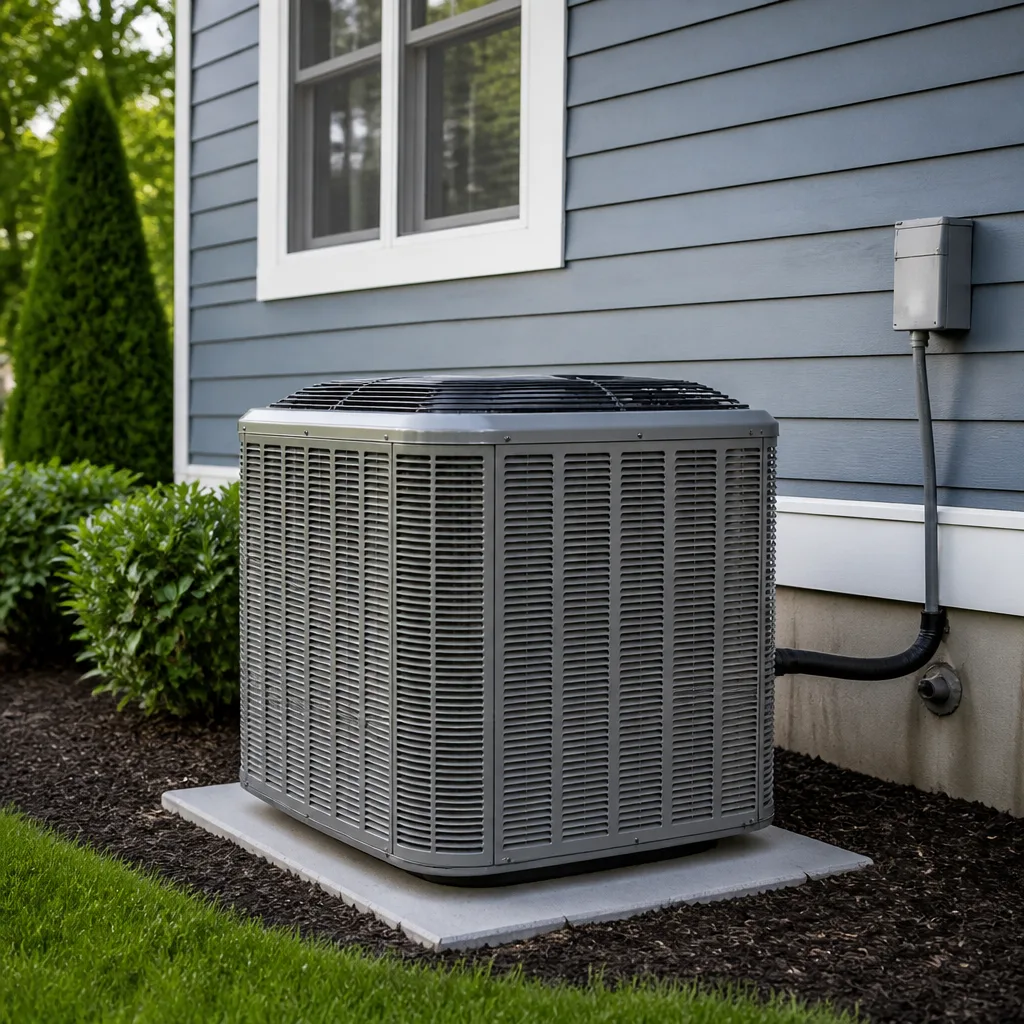 Carrier
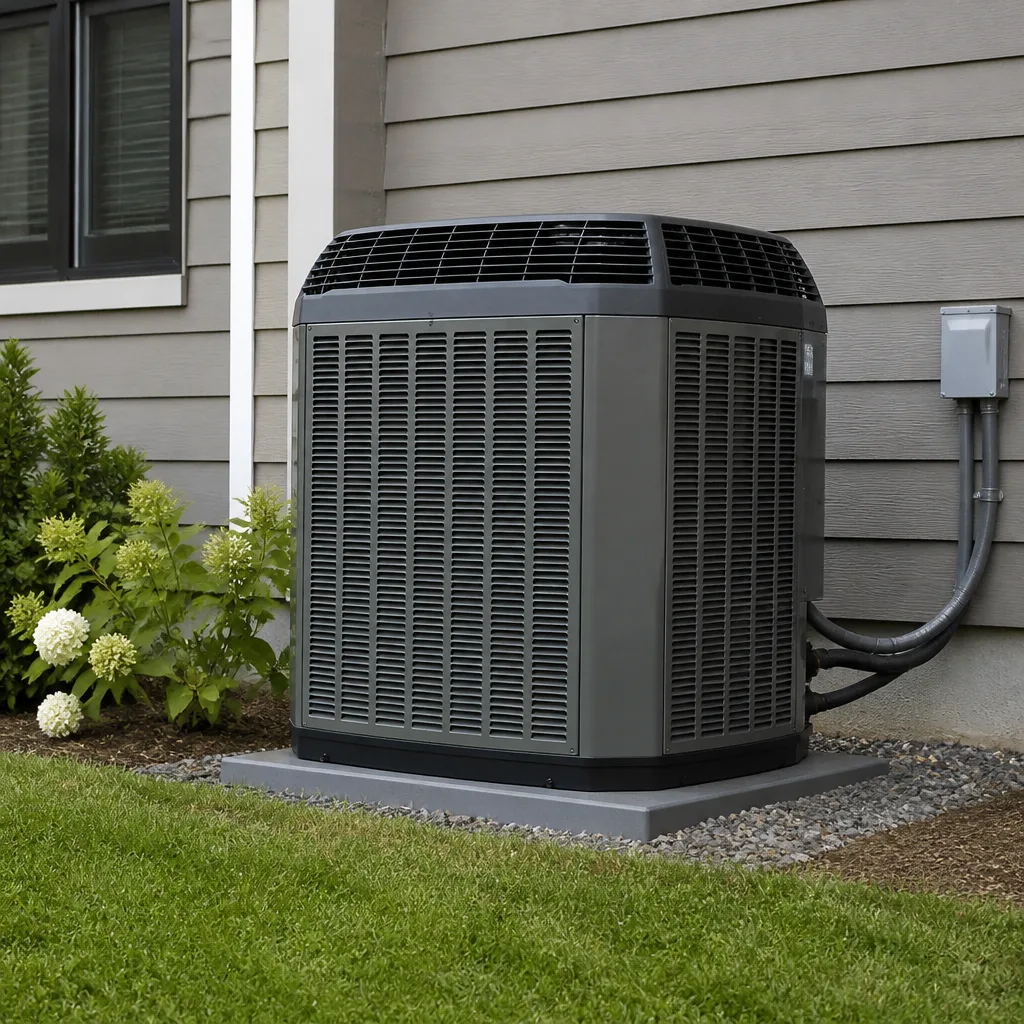 Trane
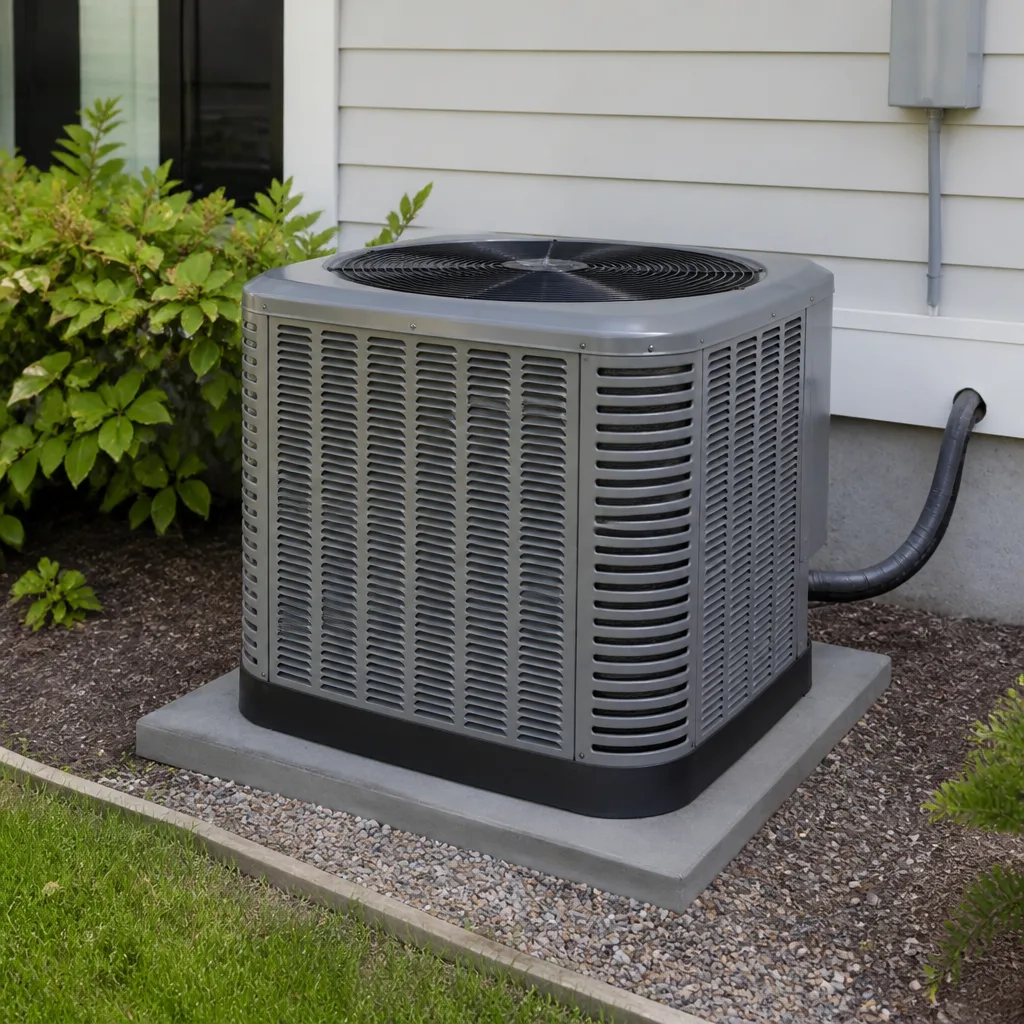 Goodman
Seasonal tune-up and full diagnostic on your Carrier, Trane, or Goodman system - readings shown to you before any repair is proposed
Diagnosis first, numbers second - you approve the repair price before a single part goes in.
Get your free estimateHVAC Permits, Codes & Inspections in Cape Coral, FL: What You Need to Know
Here’s the part most homeowners learn too late: the paperwork matters as much as the equipment. Real estate agents working Cape Coral sales will tell you that unpermitted HVAC work is one of the quiet deal-killers in a home transaction, and the seller usually had no idea a permit was ever skipped. A new condenser sitting on a pad looks identical whether it was inspected or not. What separates the two is a record at the city, and that record protects you at resale, at insurance renewal, and after a storm. This guide walks through which Cape Coral HVAC jobs need a permit, which don’t, how Florida’s building and energy codes apply to a replacement, what inspectors check at each stage, and how to fix a permit problem you inherited. No jargon, no scare tactics, just the process laid out clearly.
Quick Answer
In Cape Coral, a full HVAC system replacement or a new installation requires a City of Cape Coral permit and inspections; a repair to existing equipment generally does not. The work must meet the Florida Building Code and Florida Energy Code, and it’s inspected in stages, typically a rough-in before the system is closed up and a final once it’s running. Unpermitted HVAC work can stall a home sale, complicate insurance, and leave you responsible for bringing it up to code later.
Styles & brands we work with
- AC repair
- Furnace & heating
- Heat pumps
- Ductless mini splits
- Carrier
- Trane
- Goodman
Table of Contents
- Which HVAC jobs need a Cape Coral permit (and which don’t)
- How Florida Building Code and the Florida Energy Code apply to HVAC
- The inspection sequence: rough-in, start-up, final
- What inspectors actually look at at each stage
- Why “we’ll skip the permit to save time” is a red flag
- What to do if you buy a home with unpermitted HVAC work
- How permit records affect resale and insurance in Cape Coral
- Cape Coral specifics: neighborhoods, storm code, and hot-climate sizing
Which HVAC jobs need a Cape Coral permit (and which don’t)
The short version: anything that changes the system, its capacity, or its electrical and refrigerant connections needs a permit. Anything that restores existing equipment to working order usually doesn’t. The dividing line is whether the work creates a new installation record or just maintains one.
Here’s how the split typically falls:
- Permit required: replacing an outdoor condenser or air handler, installing a new system in a home that never had central air, changing from one equipment type to another, adding or relocating ductwork, upsizing or downsizing tonnage, running new line sets, and any new electrical circuit for the equipment.
- Usually no permit: swapping a failed capacitor, contactor, blower motor, or thermostat, recharging refrigerant after a leak repair, cleaning coils, replacing a filter, or diagnosing a no-cool call.
The gray area is a “repair” that turns into a replacement. When we’re out on a furnace repair and the heat exchanger is cracked, or a compressor is seized, the fix is a new unit, and the moment that decision lands, the job becomes a permitted one. A reputable company tells you that at the estimate stage, not after the equipment is on the ground.
Cape Coral’s building department handles HVAC permits as part of the residential construction permitting process. The exact forms and fees shift over time, so the practical move is to have your contractor pull the permit and confirm the requirement for your specific address. In a city with this much housing variety, from older single-story homes to newer construction in the northwest and northeast neighborhoods, the scope of the job drives the permit question more than anything else.
One local wrinkle worth knowing: because Cape Coral homes are generally single-story with garages and attic-mounted or closet-mounted air handlers, access affects how the job is inspected. A unit that’s easy to see gets inspected quickly. A closet install with a tight drain pan needs to be right the first time, because the inspector can’t climb into a space that doesn’t exist.
How Florida Building Code and the Florida Energy Code apply to HVAC
Two code layers govern an HVAC replacement in Cape Coral, and they serve different purposes. The Florida Building Code sets the safety and structural requirements, including the wind and storm provisions that matter for a county that sees hurricane season every year. The Florida Energy Code sets the efficiency and equipment requirements, so a replacement has to match the performance the code expects, not the performance of whatever it replaced.
The building code side covers several practical things:
- Equipment anchorage and securement, so the outdoor unit stays put under wind load.
- Clearances from the structure, from property lines, and from other equipment.
- Electrical and disconnect requirements, so the equipment shuts off safely for service.
- Refrigerant handling, which is a licensed technician’s job, not a homeowner task.
The energy code side is where the sneaky problems live. Equipment has to be matched to the home’s actual cooling load, and that means a load calculation, not a guess based on the old unit’s size. Duct systems get evaluated for leakage. When a contractor proposes “same size as what’s there, no calculation, no permit,” they’re proposing to skip the step that determines whether you end up with a system that cools unevenly and runs constantly in July. We’ve seen plenty of oversized systems in Cape Coral homes, and the homeowner’s complaint is always the same: short run cycles, clammy air, high electric bills. Sizing is a code issue, but it’s also the thing you feel at home every day.
Sealed ducts matter here because the attic is a brutal environment for a duct run. A duct system that leaks in a hot attic loses cooling before it ever reaches the room. A permitted job with a duct pressure test is not paperwork for paperwork’s sake. It’s the difference between a system that delivers and one that fights the house. Any equipment brand, from Bryant to American Standard, performs on the same code requirements.
Your contractor handles code compliance and provides the documentation. You don’t need to read the code sections yourself. You do need to know the code exists, because it’s why a licensed contractor pulls a permit and a fly-by-night outfit offers not to.
The inspection sequence: rough-in, start-up, final
An HVAC replacement in Cape Coral isn’t a single inspection. It’s a sequence, and understanding it makes the scheduling feel less mysterious. Here’s the typical progression:
- Permit application and issuance. Your contractor files the permit with the equipment specs, the load calculation, and the scope. Work doesn’t start until the permit is issued.
- Removal and rough-in. The old equipment comes out, the new line set, drain line, electrical, and duct connections go in. The rough-in inspection happens before the system is closed up and the equipment is set in its final position.
- Equipment set and start-up. The condenser is anchored and connected, refrigerant charge is verified, electrical connections are checked, and the system is powered up and tested. Some jurisdictions combine start-up with the final inspection, some want to see it separately. Your contractor knows which applies to your job.
- Final inspection. The inspector confirms the finished installation, the equipment matches the permit, and the system operates. A passed final inspection generates the record that follows the property.
Timing depends on the city’s inspection schedule and the contractor’s calendar. What matters for you is that no stage gets skipped. If a contractor tells you the inspection “isn’t necessary” or “we’ll do it after,” that’s the sequence breaking, and the record is what protects you.
Replacing the system often involves electrical work for the new disconnect, so on some jobs an electrical inspection is layered in alongside the mechanical one. When we quote an AC installation, we tell homeowners to expect a project measured in days, with inspection scheduling built in, rather than a five-hour drop-in.
What inspectors actually look at at each stage
Inspectors aren’t grading aesthetics. They’re verifying that the installed work matches the permitted scope and meets code. Here’s the practical breakdown of what they tend to look at.
At rough-in:
- Equipment location and clearances, including service access.
- Line set routing, insulation, and support.
- Drain line slope, trap, and termination point.
- Electrical rough-in for the disconnect and equipment circuit.
- Duct connections and sealing before the system is closed in.
At start-up:
- Refrigerant charge verified against the manufacturer’s spec.
- Electrical connections, disconnect, and overcurrent protection.
- Anchorage and securement of the outdoor unit.
- Condensate drainage under operating conditions, which on a Florida install means the pan and drain need to move real water, not a trickle.
At final:
- The installed equipment matches the permit, down to model and tonnage.
- The system operates and produces cooling (or heat, on a heating check).
- Access panels, covers, and labeling are in place.
- The job site is ready for a signature: no missing pieces, no “we’ll come back for that.”
What inspectors generally don’t check is comfort. They’re checking code compliance, not whether the bedroom at the end of the hall feels right. That’s why the load calculation and the duct evaluation matter so much, and why the best inspection result in the world doesn’t fix a badly designed system. If you want the job right after the signature, the design work has to be right before it.
Why “we’ll skip the permit to save time” is a red flag
When a contractor offers to skip the permit, what they’re really offering is to move the risk from their shoulders to yours. That’s the whole trade. The permit fee and inspection scheduling are the contractor’s overhead. Skipping them transfers the liability to the property owner, who may not find out for years.
Here’s what that offer usually signals:
- They may not be licensed to pull the permit. A permit application requires a licensed contractor. Someone who can’t file one is telling you something.
- They may not be insured. An unpermitted job is unattractive to an insurer reviewing a claim, and a contractor working off the books often works off the licensing record too.
- They may be cutting corners elsewhere. Skipping the inspection step usually travels with skipping the load calculation, the duct test, and the proper charge verification.
- They may not be around later. A contractor who won’t put their name on a permit has less to lose when something fails in year two.
We work on whatever brand you have, from Carrier to Trane, and the permit process is the same for every one of them. A company that only installs one brand and skips paperwork isn’t saving you time. They’re saving themselves accountability. Request the permit number and the inspection record. A contractor worth hiring will hand both over without being asked twice.
What to do if you buy a home with unpermitted HVAC work
This is more common than most buyers expect, especially in older Cape Coral neighborhoods where units have been swapped a time or two. The work may function fine. The problem is the missing record, and it tends to surface at the worst possible time: during a sale, at an insurance renewal, or after a storm when a claim needs documentation.
Here’s how the situation usually gets resolved:
- Identify what’s unpermitted. A title search and a permit search with the city will show what’s recorded. Ask the seller for documentation. If there isn’t any, you’re starting from a gap.
- Get the installation evaluated. A licensed HVAC contractor inspects the equipment, the connections, the drainage, and the electrical to see whether the work is code-compliant as installed.
- File for an after-the-fact permit. Cities typically have a process for permitting work that’s already done. It may require opening walls or exposing connections so they can be inspected. It often costs more than the original permit would have, which is the whole argument for doing it right the first time.
- Correct what fails. If the inspection finds problems, the fixes get made and re-inspected. Sometimes the equipment is fine and only a detail needs correcting. Sometimes the duct system needs sealing, or the electrical needs rework.
- Get the record closed out. The final inspection and closed permit are the deliverable. That’s the paper that follows the house.
If you’re the seller, this matters even more. Disclose what you know, and get ahead of it before the buyer’s inspection does. A resolved permit is a story with an ending. An unresolved one is a negotiation.
How permit records affect resale and insurance in Cape Coral
You’ll hear real estate agents say unpermitted HVAC work is one of the top deal-killers they see. What they mean is that the buyer’s inspector flags it, the lender gets nervous, and suddenly a closing has a contingency that costs money and time. A permit record is a property feature, not a contractor’s receipt.
On insurance, the picture is similar. Carriers care about the equipment, its age, and whether the installation is documented. An undocumented replacement can complicate a claim after a storm, because the insurer’s first question is whether the installation met code at the time it was done. Cape Coral’s hurricane exposure makes that question more than hypothetical.
During a sale, the buyer’s side typically asks for:
- The permit number for the HVAC replacement.
- The final inspection record or certificate of completion.
- The equipment model and installation date from the permit application.
If all three exist and line up, the transaction moves. If any are missing, the deal either slows down or the buyer asks for a credit. That credit, in most cases, costs more than the permit would have. We’ve watched sellers negotiate away far more than a permit fee because the paper wasn’t there. The permit isn’t red tape. It’s a record of the property’s condition, and records are what a home sale runs on.
Cape Coral specifics: neighborhoods, storm code, and hot-climate sizing
A few things about Cape Coral shape how permits and code apply to HVAC work here, and they’re worth knowing even if your contractor handles the filing.
The storm code isn’t theoretical. Southwest Florida’s hurricane season runs every year, and the building code provisions for equipment anchorage and securement exist because wind events happen. An outdoor unit that isn’t anchored to code is a projectile waiting for a bad afternoon. That’s the building code layer at work, and it’s why the anchor detail gets inspected rather than assumed.
The climate drives sizing. Cooling loads in this part of Florida are long and heavy. A system runs for months, and the difference between a load-calculated size and a guess shows up in run times, humidity, and electric bills. Neighborhoods across the city, from the older central sections to newer construction in the northwest and northeast, have different housing stock, different window types, and different insulation. A load calculation is the only way to account for that. An oversized system in a hot climate short-cycles, which means it never runs long enough to pull humidity out of the air. That’s why a code-compliant sizing step is also a comfort step.
The equipment mix is broad. Cape Coral homes run everything from older builders’ grade units to newer high-efficiency equipment from nine major brands, including Carrier, Trane, Bryant, Daikin, Rheem, York, Lennox, Goodman, and American Standard. A permit application has to state the specific model, so the installed equipment and the paperwork have to match. When you’re replacing a system, we work on whatever brand you have, and we file the permit for the equipment that’s actually going in, not a placeholder.
The inspection record follows the address, not the owner. That’s why buying a home with an open or missing permit puts the resolution on you, even if the previous owner paid for the work. A permit search before closing is cheap. A permit problem after closing isn’t.
If you’re planning a replacement or a major repair, get the estimate first and the permit conversation second. They should come from the same company, and the permit should be routine rather than an add-on. Call (855) 595-4793. We answer 24/7. Fast dispatch from 7am to 7pm, Sunday through Friday. Estimates are free.
Common Mistakes to Avoid
- Accepting “the permit isn’t needed for a replacement.” It is, in nearly every case. If a contractor waves off the permit on a full system swap, get a second opinion before signing.
- Paying cash for a permitless install to save a few dollars. The savings are small compared to the cost of resolving the permit at resale, and the liability sits on your property record, not on the contractor who’s gone.
- Assuming the buyer’s inspector won’t notice. Home inspectors look up permit history as a routine step, and an HVAC replacement with no permit record is a standard flag on the report.
- Skipping the load calculation on a Cape Coral replacement. Same-size replacement without a load calc is a gamble on comfort. In this climate, the wrong size is felt every afternoon of the cooling season.
- Buying a home without a permit search. A title search doesn’t cover building permits. A separate permit search with the city will, and it’s the step that uncovers unpermitted HVAC work before closing instead of after.
- Thinking an open permit will “just expire.” Open permits can stall a sale even after they’ve been inactive. Resolve or close them before listing, not during a transaction.
- Letting the contractor schedule the final and forgetting about it. The passed final is the deliverable. If the contractor leaves with an open permit that never gets closed, you own that gap.
See the difference
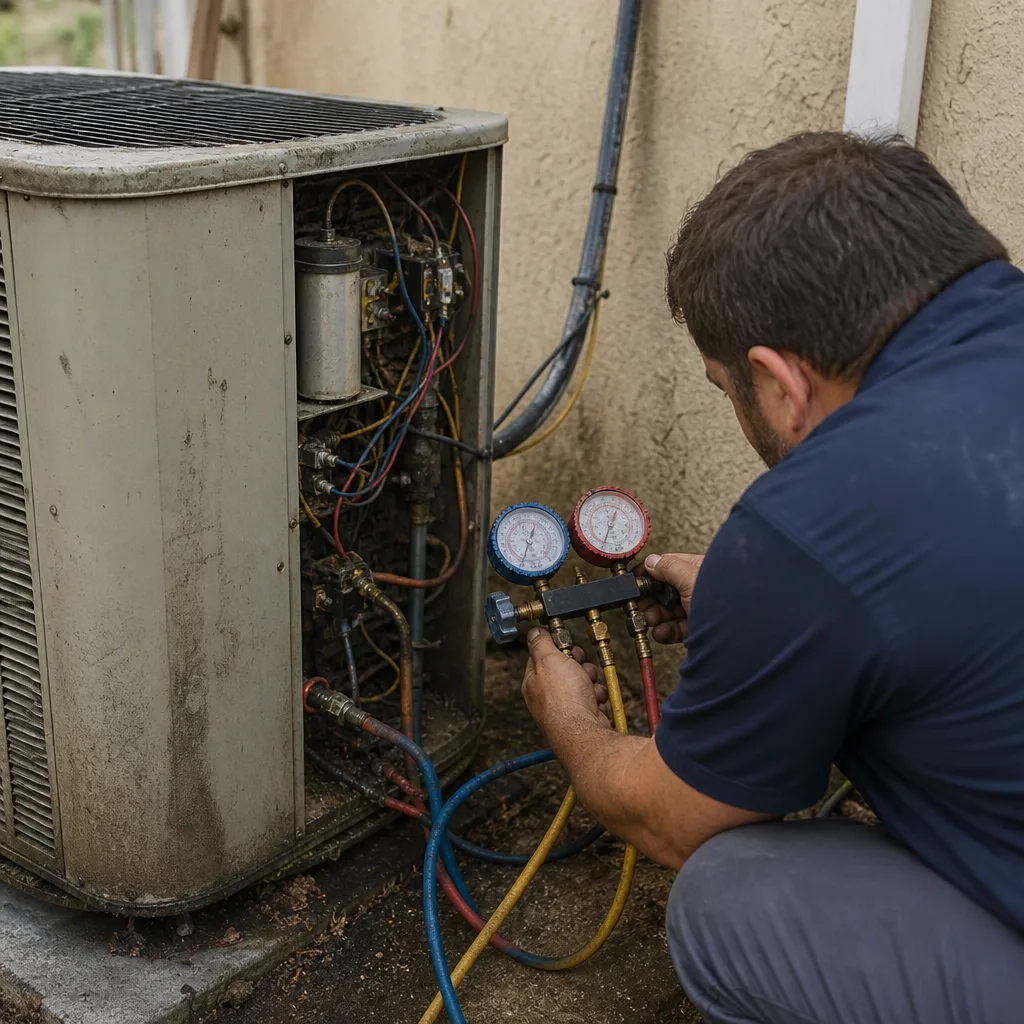 Before
 After
 Before
 After
 Before
 After
When to Call a Professional
Permits, code compliance, load calculations, refrigerant handling, and electrical connections are licensed-work territory. This is not a book a homeowner needs to read alone, and it’s not a job to hand off to a handyman who “knows HVAC.” Call a professional when you’re replacing a system or installing one, when a repair might actually be a replacement, when your duct system needs evaluation, when you’re buying or selling a home with an HVAC permit gap, or when you need a load calculation before a replacement decision. We’d also add: call when a contractor offers to skip the permit, because you want to know what a licensed company would have handled differently. Linden AC Repair offers free estimates in Cape Coral – call (855) 595-4793. We answer 24/7. Fast dispatch from 7am to 7pm, Sunday through Friday. Our technicians have up to experience, and we work on whatever brand you have: Carrier, Trane, Bryant, Daikin, American Standard, and more.
Frequently Asked Questions
Yes. A full HVAC system replacement in Cape Coral requires a permit and an inspection, and the work must meet the Florida Building Code and the Florida Energy Code. The permit application documents the equipment, the load calculation, and the scope, and the final inspection creates a record that follows the property. If a contractor offers to skip it, that’s your signal to walk. Call (855) 595-4793 for an exact quote – estimates are free.
Usually not. A repair that restores existing equipment to working order, such as a failed capacitor, blower motor, thermostat, or a refrigerant recharge after a leak fix, generally doesn’t require a permit. The line gets crossed when the job becomes a replacement or when it changes the equipment, capacity, or electrical circuit. When in doubt, ask the contractor to confirm with the city before work starts.
The buyer’s inspector will typically flag the missing permit, and the sale can stall while the issue is resolved. Common outcomes include the seller filing an after-the-fact permit, the buyer asking for a credit, or the closing being delayed until the permit is closed out. Resolving it before you list is almost always cheaper and faster than resolving it during a transaction. Call (855) 595-4793 to get an evaluation started.
The permit application and issuance step usually takes a few business days, and the inspection sequence adds scheduling time at rough-in and final. A full replacement is a project measured in days, not hours, and the inspector’s calendar is part of that. A contractor who says a replacement is a same-day drop-in with no inspection is skipping a step. Call us for a schedule that includes the inspections up front.
Usually yes, and it’s a common path for buyers who inherit unpermitted work. The process typically involves an inspection of the installed equipment, corrections if the installation doesn’t meet code, and a final inspection to close the permit. It often costs more than the original permit would have, which is why the paperwork matters the first time. We can evaluate the installation and walk you through the resolution.
Yes, because the permit application lists the specific model and tonnage going in, and the final inspection confirms the installed equipment matches. Whether you’re installing a Carrier, Trane, Bryant, or American Standard system, the model documentation has to line up. A brand-agnostic contractor files for the equipment that’s actually being installed, not a placeholder or a house-brand substitution. We work on whatever brand you have, and we handle the permit paperwork as part of the job.
The Bottom Line
Permits are the boring part of HVAC work, and the boring part is what protects you. In Cape Coral, a replacement or new installation needs a permit, a repair usually doesn’t, and the code requirements behind the paperwork shape how the system actually performs in this climate. Get the load calculation. Get the final inspection. Keep the record. If you’re buying, run a permit search before closing. If you’re selling, resolve gaps before you list. And when a contractor offers to skip the permit, take the offer as a warning rather than a favor. The process isn’t complicated once it’s explained, which is exactly why there’s no good reason to skip it. Call (855) 595-4793 for a free estimate and a permit conversation that starts at the first estimate.
Written by the team at Linden AC Repair.