
Last updated November 15, 2026
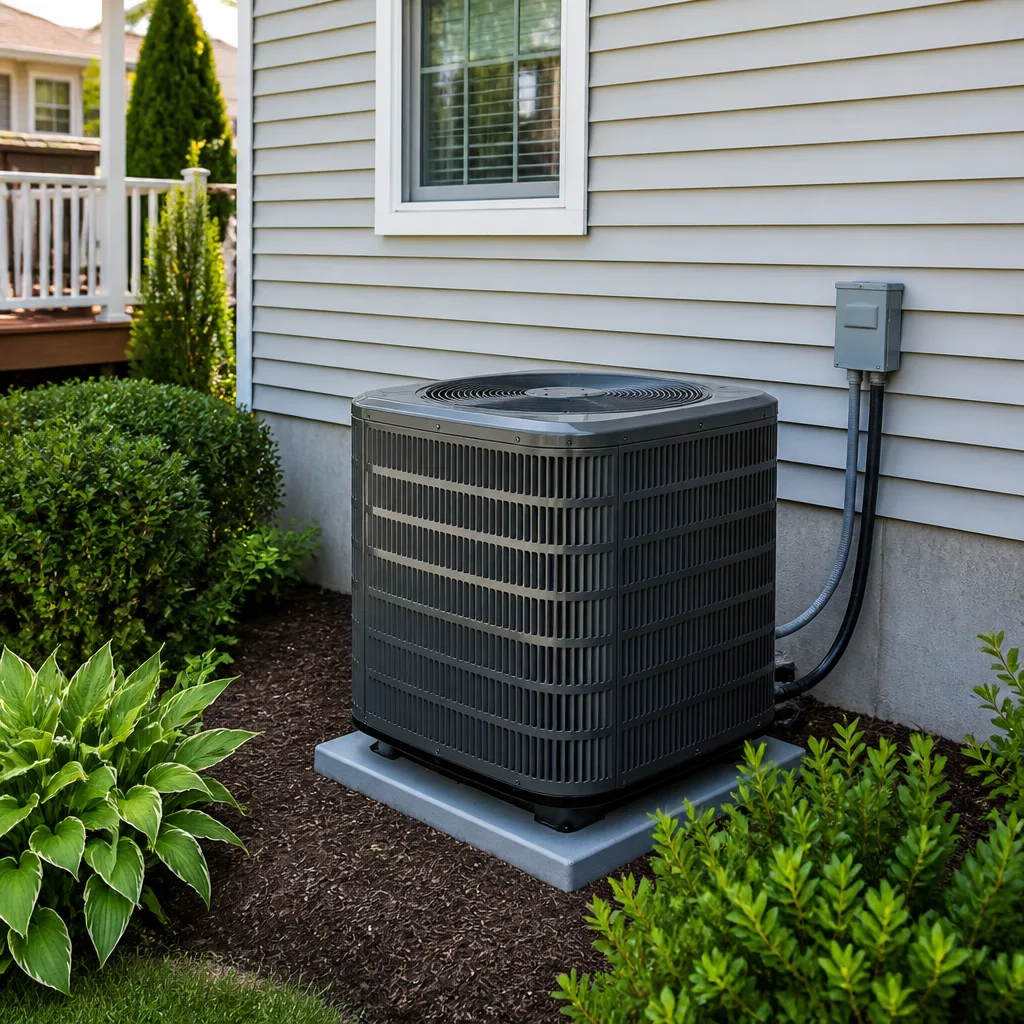 AC repair
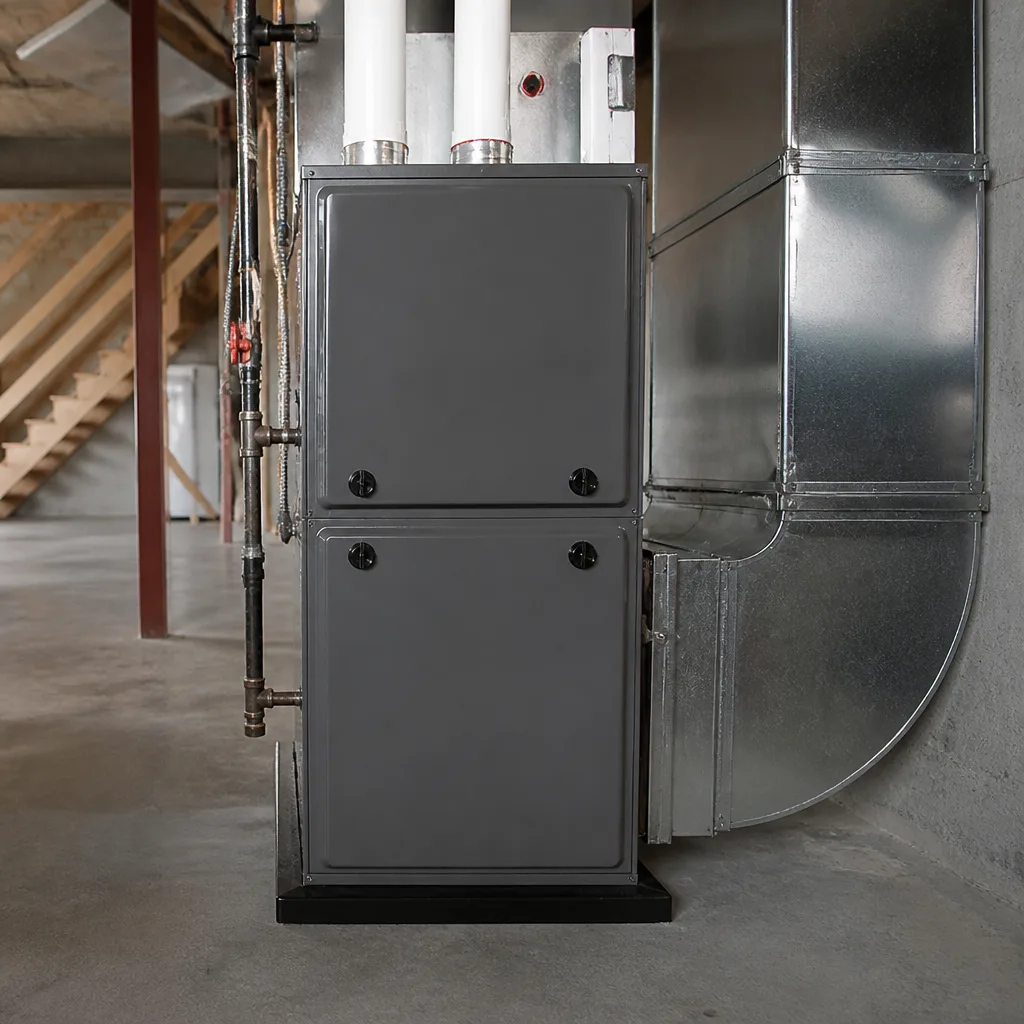 Furnace & heating
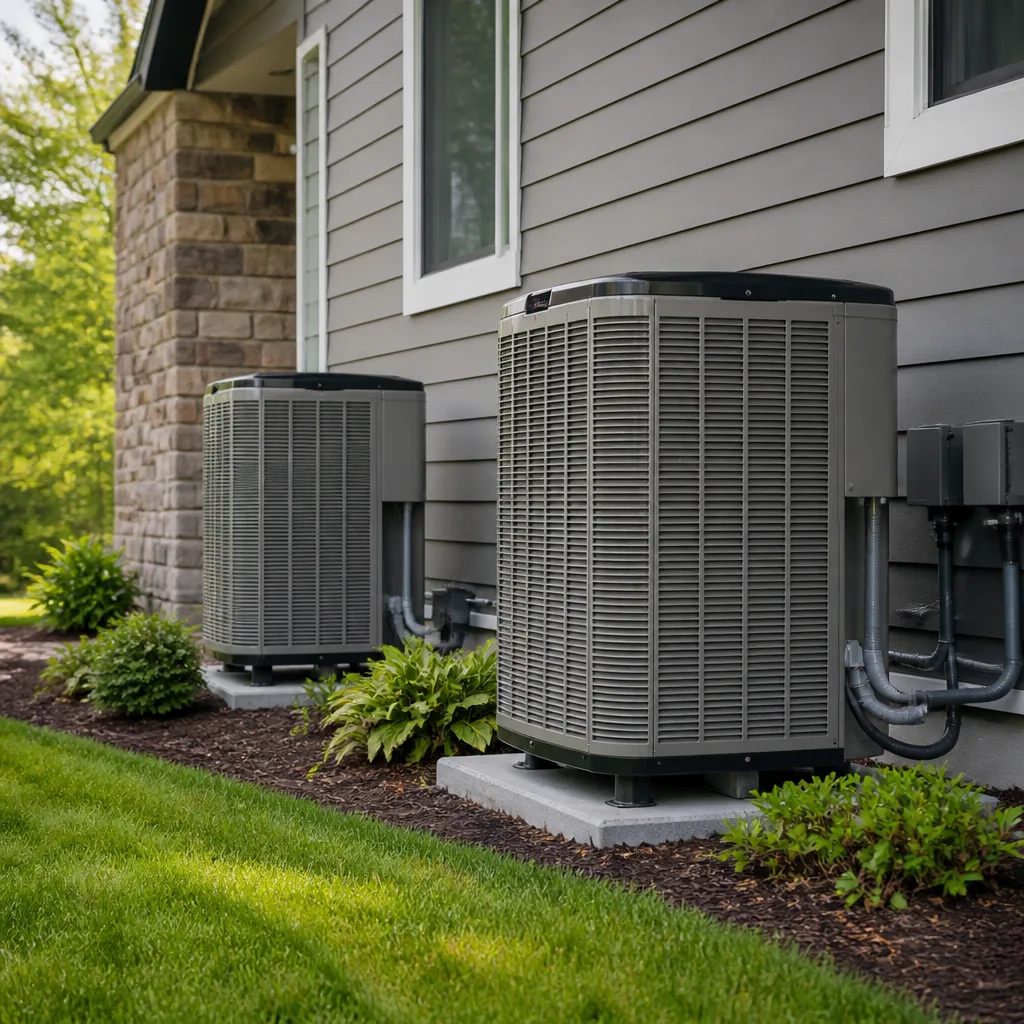 Heat pumps
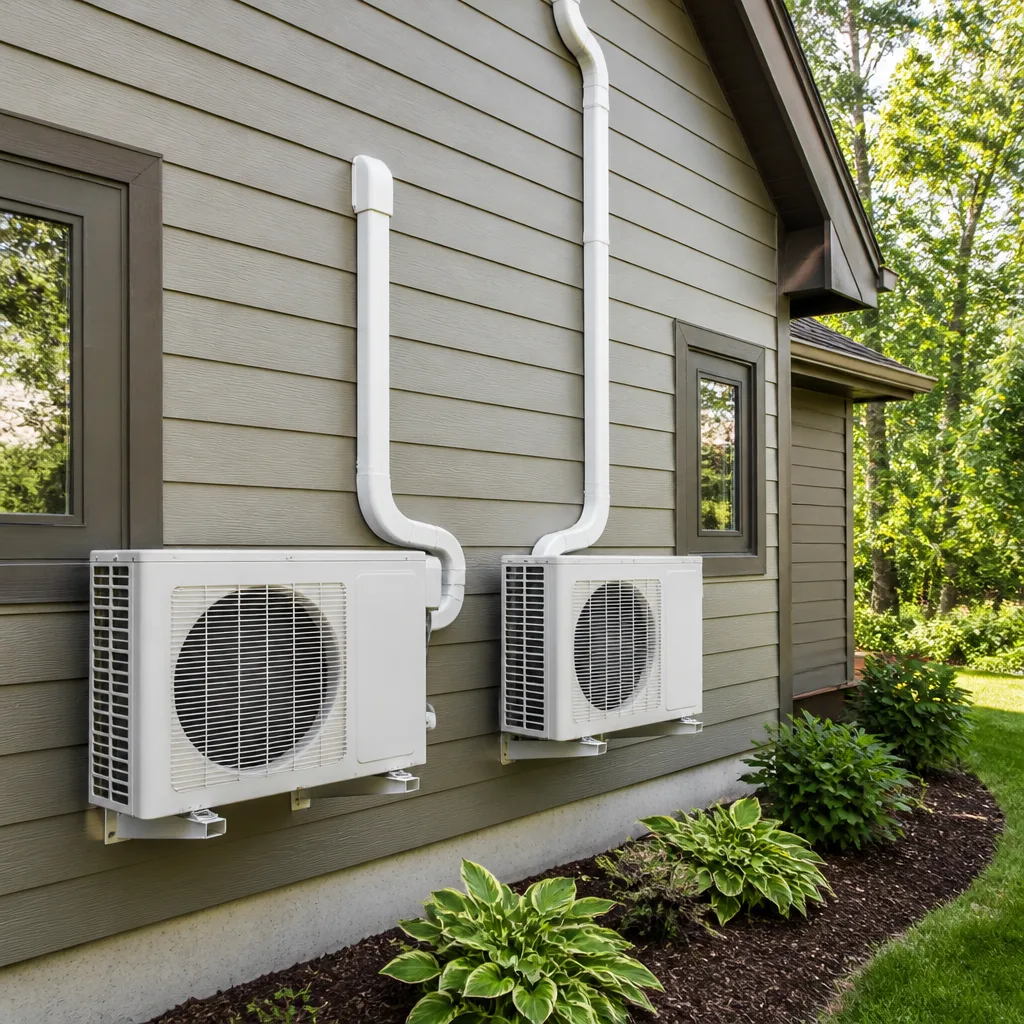 Ductless mini splits
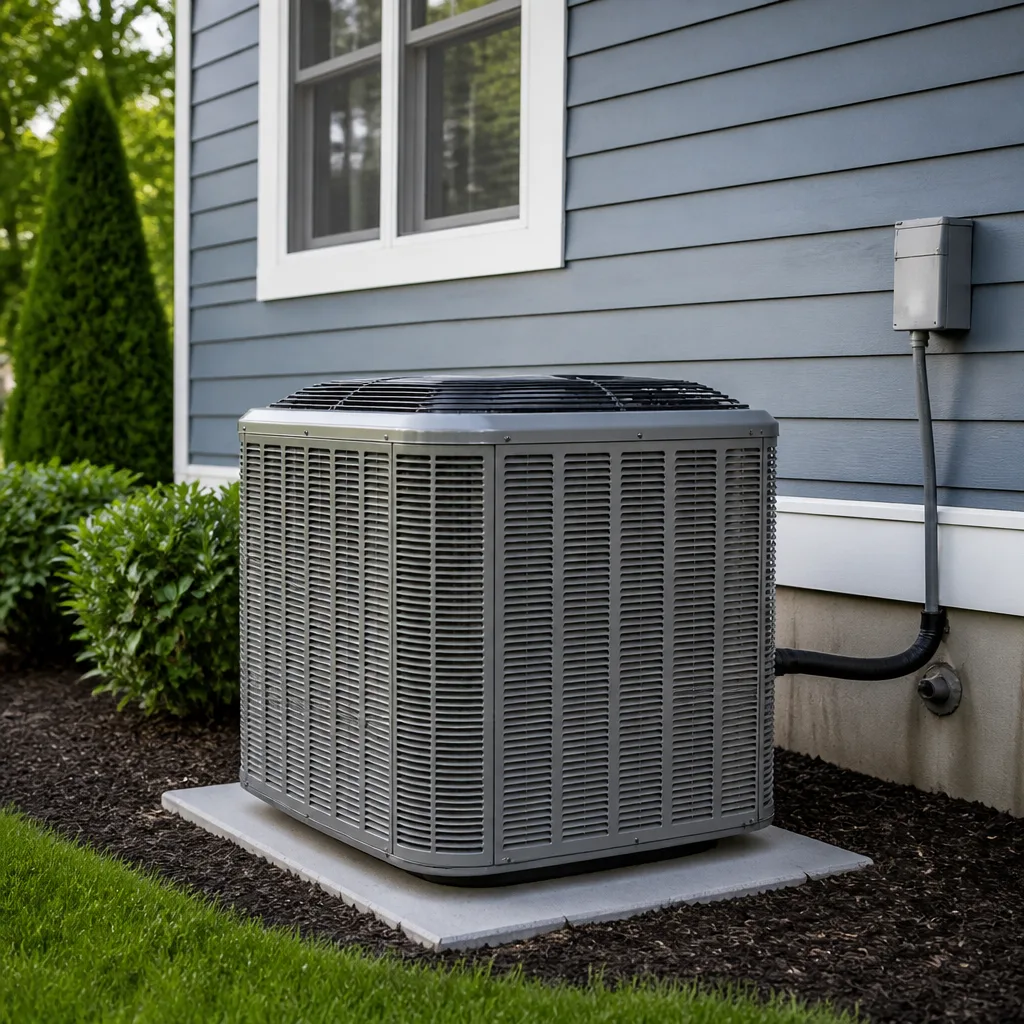 Carrier
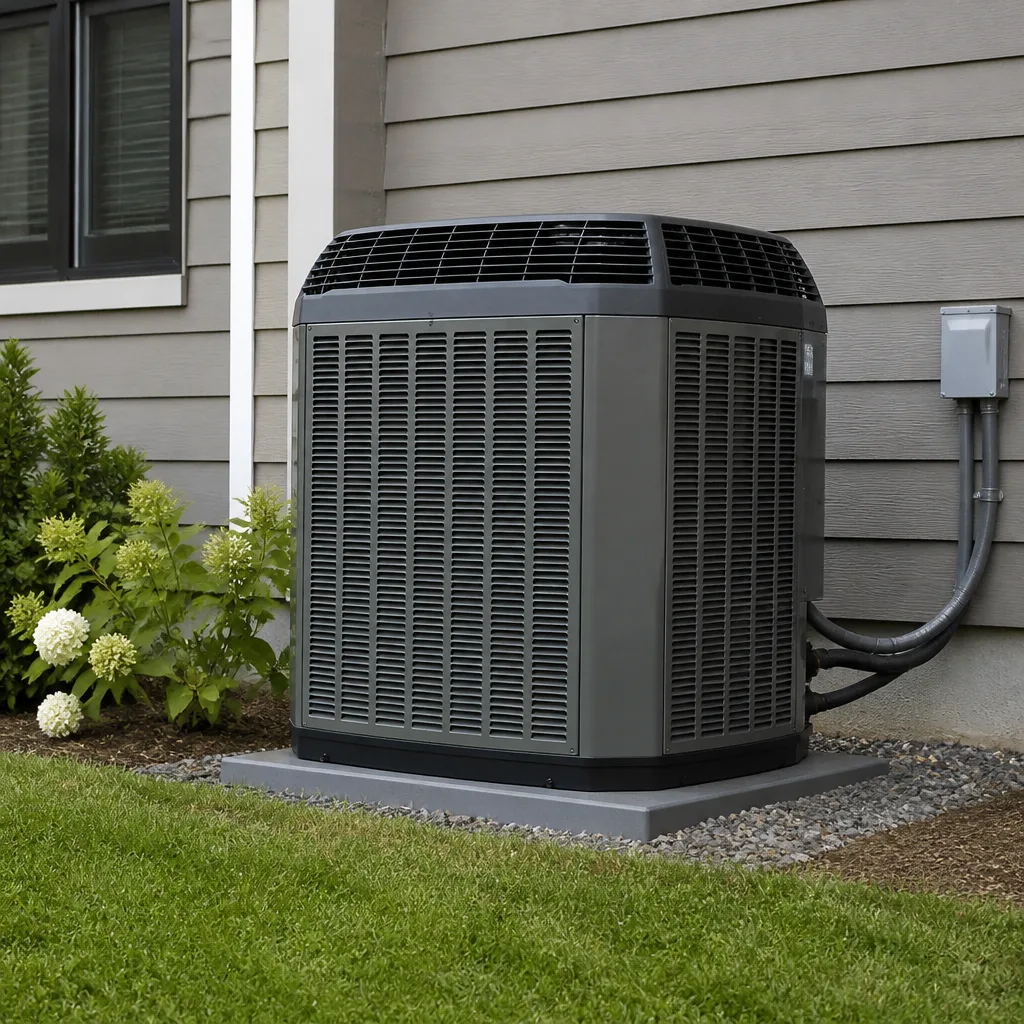 Trane
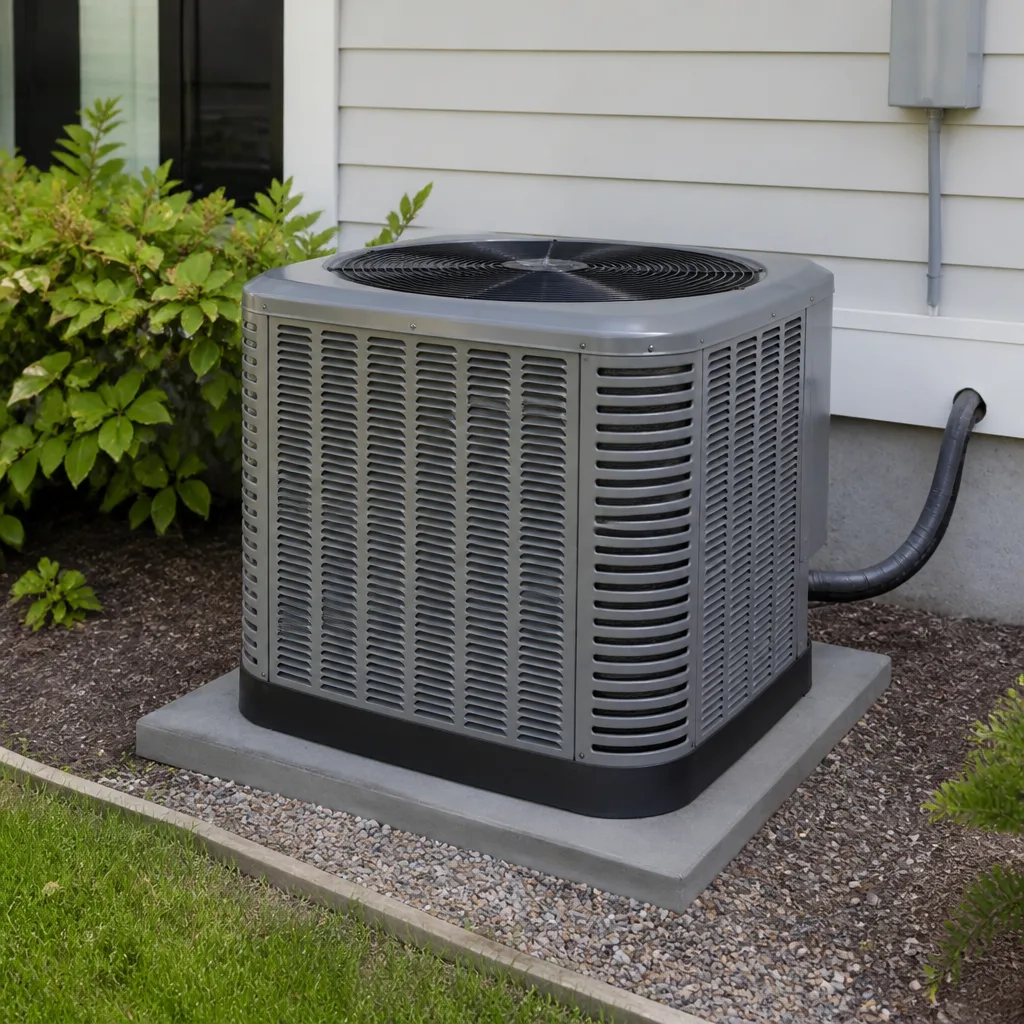 Goodman
Seasonal tune-up and full diagnostic on your Carrier, Trane, or Goodman system - readings shown to you before any repair is proposed
Diagnosis first, numbers second - you approve the repair price before a single part goes in.
Get your free estimateHVAC Emergency Preparedness Guide for Cape Coral Homes
Most homeowners treat an AC failure as an inconvenience. In Cape Coral, it can turn into a health emergency faster than most people expect. When the summer heat index climbs past 105°F, a house without cooling becomes dangerous within hours, especially for elderly residents, infants, and anyone with a heart or breathing condition. The uncomfortable truth is that during a heat emergency here, HVAC companies book out same-day slots within about two hours of opening. The homeowners who get help fast are the ones who prepared before anything broke. This guide walks through that preparation: the kit to build, the first 30 minutes after a failure, storm-season steps for your outdoor unit, and how to tell a self-fix from a call-now situation.
Quick Answer
HVAC emergency preparedness in Cape Coral means three things: knowing which failures you can safely handle yourself (a tripped breaker, a clogged drain line), knowing which demand an immediate call (no cooling in extreme heat, burning smells, refrigerant leaks), and having your system details and a cooling plan ready before anything breaks. Build a small emergency kit, protect your outdoor unit before storm season, and keep our number where you can find it in the dark. That preparation is the difference between a rough afternoon and a genuine health risk.
Styles & brands we work with
- AC repair
- Furnace & heating
- Heat pumps
- Ductless mini splits
- Carrier
- Trane
- Goodman
Table of Contents
- Why an AC Failure Is a Health Emergency in Cape Coral
- Building Your HVAC Emergency Kit
- The First 30 Minutes After Your AC Fails
- Simple Fix vs. Immediate Call: How to Tell
- Hurricane Season Prep for Your Outdoor Unit
- What to Have Ready When You Call
- Your Temporary Cooling Plan
- Preventive Steps That Head Off Most Emergencies
Why an AC Failure Is a Health Emergency in Cape Coral
Cape Coral sits in Southwest Florida, where summer heat indexes routinely climb above 105°F and the humidity rarely gives you a break. A house that loses cooling in July doesn’t just get warm. Indoor temperatures can rise into the danger zone for vulnerable people within a couple of hours, and the trapped humidity makes it feel worse than the thermometer suggests.
The groups most at risk are worth naming plainly:
- Elderly residents, whose bodies regulate heat less efficiently and who may not feel thirsty or notice rising temperatures quickly
- Infants and young children, who can’t tell you they’re overheating and are more sensitive to heat
- Anyone with heart disease, breathing conditions, or who takes medication that affects sweating and hydration
- Pets left indoors during the day
This is the part most preparedness advice skips. It treats AC as comfort. In Cape Coral, cooling is part of the home’s safety envelope in the same way a working smoke detector is. That reframing matters because it changes how you prepare. You don’t wait to see how bad it gets. You have a plan, you know who in the household is vulnerable, and you know where to move them if the house heats up.
One more local factor: many Cape Coral homes are single-story block construction with lots of glass and little shade, so they heat up fast once the system stops. If you live in a household with any of the at-risk members above, treat a summer cooling failure as urgent from the first hour, not the third.
Building Your HVAC Emergency Kit
An HVAC emergency kit isn’t a box of tools. It’s the information and small supplies you’ll want in hand when the system quits and you’re trying to get help fast. Put it together on a calm day, keep it where the whole household knows to look, and update it once a year.
- A printed card with your system details. Write down the brand and model of your indoor and outdoor units, the model and serial numbers, and the approximate install date if you know it. Photograph the data plates on both units. This is the single most useful thing you can hand a technician, because it tells them what parts and refrigerant your system needs before they arrive.
- The location of your system shut-off. Know where the electrical disconnect for the outdoor condenser is and where the breaker for the air handler sits in your panel. Write it on the card. In a genuine emergency, nobody wants to hunt for a breaker in the dark.
- Your contractor’s number, written down. Keep it on paper, not just in your phone. A dead phone battery during a storm is common. Add our line, (855) 595-4793, and note that we answer 24/7 with fast dispatch from 7am to 7pm.
- A temporary cooling plan. Knowing which room in your house stays coolest, where you’ll move vulnerable family members, and whether a neighbor or relative has a cool place to go. Write it down so no one has to improvise under stress.
- Small supplies. A couple of battery-powered fans, spare batteries, a few bottles of water, and a cheap indoor thermometer so you can track how fast the house is heating up.
The model and serial numbers are the piece people skip and later regret. When you call for help, having them ready is often what lets a technician arrive with the right parts on the first visit instead of making a second trip. That’s the difference between a same-day fix and a next-day one. To be clear, we don’t guarantee a one-visit repair on every call, but the more accurate the information, the better the odds.
The First 30 Minutes After Your AC Fails
When the cooling stops, the instinct is to panic-call or to start flipping breakers. The first half hour is better spent protecting the people in the house and gathering information. Here’s how to spend it.
- Check on vulnerable household members first. Get elderly family, infants, and anyone with a health condition into the coolest room in the house, and offer water. If the indoor temperature is climbing quickly and someone is at risk, don’t wait to troubleshoot, move them somewhere cool.
- Close blinds and curtains on sun-facing windows. Blocking direct sun slows the heat gain noticeably. Keep interior doors open so air can move between rooms.
- Set up fans. Box fans and ceiling fans don’t cool the air, but moving air helps people feel cooler and helps with evaporation. Point one fan out an open window to push hot air out.
- Do a quick, safe check of the obvious. Look at the thermostat: is it set to cool, and are the batteries good? Check that the outdoor unit’s disconnect switch isn’t off. Look at your air filter: a clogged filter can stop airflow. These are safe checks. Don’t open electrical panels or touch wiring.
- Note what you observe. Is the outdoor unit running but not cooling? Is there ice on the indoor coil? Is there water pooling near the air handler? These details help the technician diagnose faster.
One thing not to do: don’t keep resetting a breaker that trips repeatedly. A breaker that trips again after reset is telling you something is wrong, and continuing to reset it can damage the system or create a fire risk. That’s a call-now signal, covered in the next section. If you’re ever unsure whether something is safe to touch, treat it as unsafe and call a trained professional.
Simple Fix vs. Immediate Call: How to Tell
Not every AC failure needs a service call. A few common issues are simple and safe to check yourself. Others carry real risk and should go straight to a professional. Here’s the split, framed as what to check rather than how to fix dangerous components.
Often a Simple Fix You Can Handle
- Tripped breaker (once). If the breaker for your AC is tripped and stays on after a single reset, the system may just have had a brief overload. If it trips again, stop and call.
- Clogged condensate drain. A backed-up drain is one of the most common causes of a system shutting down in humid Cape Coral summers. If you see water near the air handler, the drain line may be clogged. Clearing a drain line at the accessible end is generally safe if you’re comfortable, and many systems have a float switch that shuts the unit off when water backs up.
- Dirty air filter. A clogged filter chokes airflow and can cause the system to overheat and shut down. Replacing it is safe and often solves the problem.
- Thermostat settings or batteries. Dead batteries or a mode set wrong are surprisingly common causes of a “broken” AC.
Call for Service Right Away
- No cooling at all during extreme heat. In a Cape Coral summer, this is a health matter within hours for at-risk households. Don’t wait to see if it comes back.
- Burning smell or smoke. Any burning odor from the system or panel is a stop-and-call situation. Turn the system off and call.
- Repeated breaker trips. A breaker that won’t stay reset points to a real electrical problem. This involves the panel and wiring, and it’s genuinely dangerous, so leave it to a trained professional.
- Ice on the indoor coil or refrigerant lines. Ice usually means low refrigerant or restricted airflow, and handling refrigerant requires certification. Don’t try to fix this yourself.
- Loud banging, grinding, or screeching. Mechanical noise often signals a failing component that gets more expensive the longer it runs.
- Water where it shouldn’t be, or a system that trips immediately. Electrical or major component trouble. Call.
When in doubt, treat it as a call. The cost of a diagnostic visit is small next to the cost of a fire or a health emergency. If you’re not sure whether your situation qualifies, call (855) 595-4793 and describe what you’re seeing. We answer 24/7, and we can help you sort the safe checks from the ones that need a technician.
Hurricane Season Prep for Your Outdoor Unit
Cape Coral’s hurricane season runs from June through November, and your outdoor condenser sits right in the path of wind-driven debris and, in low-lying areas, storm surge. A little preparation before a storm can save the unit and spare you a miserable, hot recovery afterward.
Before storm season, and again when a system is forecast to approach:
- Secure or remove loose items nearby. Lawn furniture, garden tools, and anything that can become a projectile should be secured or brought inside. Debris striking the condenser fins is a common source of damage.
- Consider a temporary cover, done correctly. A sturdy cover strapped down over the top and sides can protect against flying debris during high wind. Don’t run the system with a cover on it. Some homeowners remove the cover after the worst of the wind passes but before restarting.
- For storm surge risk, know your elevation. In flood-prone parts of Cape Coral, surge can reach the outdoor unit. If you know surge is likely, having a plan to isolate and protect the unit, or accepting that it may need service afterward, matters more than trying to run it during flooding.
- Turn the system off before the storm hits. Shutting it down at the thermostat and the outdoor disconnect protects it from power surges and from running under bad conditions.
After the storm, check before you restart:
- Look for standing water around the unit and any visible debris lodged in or against it
- Check the electrical disconnect and breaker. If anything looks damaged, flooded, or burned, don’t power it up. Call a professional.
- Clear debris from around the unit and from the top grille before restarting
- If you smell burning or the unit won’t start, stop and call
A flooded or damaged condenser can be an electrical hazard after a storm. If water reached the unit or the electrical components, leave it off and get it inspected. That’s not a job to improvise.
What to Have Ready When You Call
The quality of your call often determines the speed of your repair. When you reach us, having the right information means a technician can arrive prepared rather than making a return trip for parts. Here’s what to have in hand.
- Your system’s brand, model, and serial numbers. This is the big one. Our technicians work on whatever brand you have, from Goodman and Rheem to York and Daikin, and knowing the model up front helps them bring the right parts. We’re factory-trained across nine of the most-installed brands, so brand rarely slows us down, but model details speed things up.
- What the system is doing (or not doing). Is it running but not cooling? Completely dead? Tripping the breaker? Making noise? Blowing warm air?
- What you’ve already checked. Tell us if you reset a breaker, changed the filter, or looked at the drain. It saves time.
- How long it’s been happening. A problem that started an hour ago is different from one that’s been intermittent for a week.
- Your address and any gate or access details. Cape Coral has plenty of canal-front and fenced properties, so tell us how to get to the unit.
- Whether anyone in the household is vulnerable. If an elderly resident, infant, or someone with a health condition is at risk, say so. It helps us prioritize.
When you call, we answer 24/7. Fast dispatch runs from 7am to 7pm, Sunday through Friday, and a call outside dispatch hours is booked into the next opening. For a health-related cooling failure, the sooner you call, the sooner we can get you on the schedule. If your system is older and you’re weighing whether a repair is worth it, our AC installation team can walk you through the replacement question honestly. We repair first and only recommend replacement when it genuinely makes sense.
Your Temporary Cooling Plan
Every Cape Coral household should have a temporary cooling plan, because even a fast repair takes time to schedule, and in the summer heat that window matters. A plan is simple, but it has to be decided before you need it.
First, identify the coolest room in your house. Often it’s a room with less sun exposure, on the lowest floor, or with more shade. That’s your base camp if the AC fails. Second, decide where vulnerable family members will go if the house gets too hot: a neighbor’s home, a relative’s, or a public cooling location. Knowing that in advance removes the guesswork. Third, keep battery fans and water on hand, as covered in the kit section.
A few practical notes for the temporary plan:
- Don’t rely on a single window unit as your only backup unless it’s sized for the room. They help a lot in an emergency, but plan around the coolest room and keep the doors closed.
- Keep the house closed up during the hottest part of the day. Open windows at night if it cools off, but during peak heat, closed windows and drawn blinds slow the rise.
- Watch the indoor thermometer, not just how you feel. Heat stress can sneak up on older adults. A cheap thermometer tells you the real story.
- Have a plan for pets too. They overheat faster than people expect.
The goal isn’t to ride out a failure in comfort. It’s to keep the household safe and stable until a technician arrives. A plan built on a calm day does that far better than scrambling once the house is already hot. For larger questions about keeping your system in shape before an emergency, our team at Linden AC Repair is glad to help.
Preventive Steps That Head Off Most Emergencies
The best HVAC emergency is the one that never happens. Most of the calls that come in during a Cape Coral heat wave trace back to a handful of preventable issues. A little attention each season goes a long way.
- Change your air filter on schedule. In a home that runs the AC through a long, hot summer, a clogged filter is one of the most common causes of shutdowns. Check it monthly in the heavy season and replace it when it’s dirty.
- Keep the condensate drain clear. Humidity here means the drain line works hard. A clogged drain shuts down systems regularly. Have it checked as part of routine service.
- Clear space around the outdoor unit. Keep plants, mulch, and debris at least a couple of feet away so it can breathe. A choked condenser runs hotter and less efficiently.
- Watch for early warning signs. Weak cooling, odd noises, higher energy bills, or a system that short-cycles are all signals to look at before they become failures.
- Schedule service before the peak. Late spring, before the worst heat, is the smart time to have the system checked. Our technicians have up to experience and will tell you plainly what they find, without pushing a replacement you don’t need.
If you’re noticing that your system is struggling and you suspect a bigger issue, our furnace repair expertise extends to the heating side, but on the cooling side we also handle everything from new installs to mid-life repairs. If you’re in Cape Coral and want to be ready before the next heat wave, start with a checkup rather than waiting for a failure.
Common Mistakes to Avoid
- Waiting to see if it “comes back on.” During extreme heat, an AC that’s down is a health risk from the first hour for vulnerable households. Waiting to see wastes the window when help is easiest to get.
- Resetting a breaker over and over. A breaker that keeps tripping is warning you about a real electrical problem. Repeated resets can damage the system and create a fire risk. Stop and call.
- Never having the model and serial numbers. Without them, a technician may need a return trip for parts. Keep them on a card and on your phone.
- Running the system with a storm cover on. People cover the outdoor unit for a storm, then forget to remove it. Running with a cover on overheats the unit and can cause damage.
- Ignoring the condensate drain. In Cape Coral’s humidity, a clogged drain is a frequent cause of shutdowns. It’s easy to check and cheap to fix before it strands you in the heat.
- Letting a small issue ride into the busy season. A weakening system in June becomes a failed system in August, when everyone is calling at once. Handle warning signs early.
- Restarting a flooded or storm-damaged unit without an inspection. Water and electrical components don’t mix. If a storm flooded the unit, leave it off and get it checked.
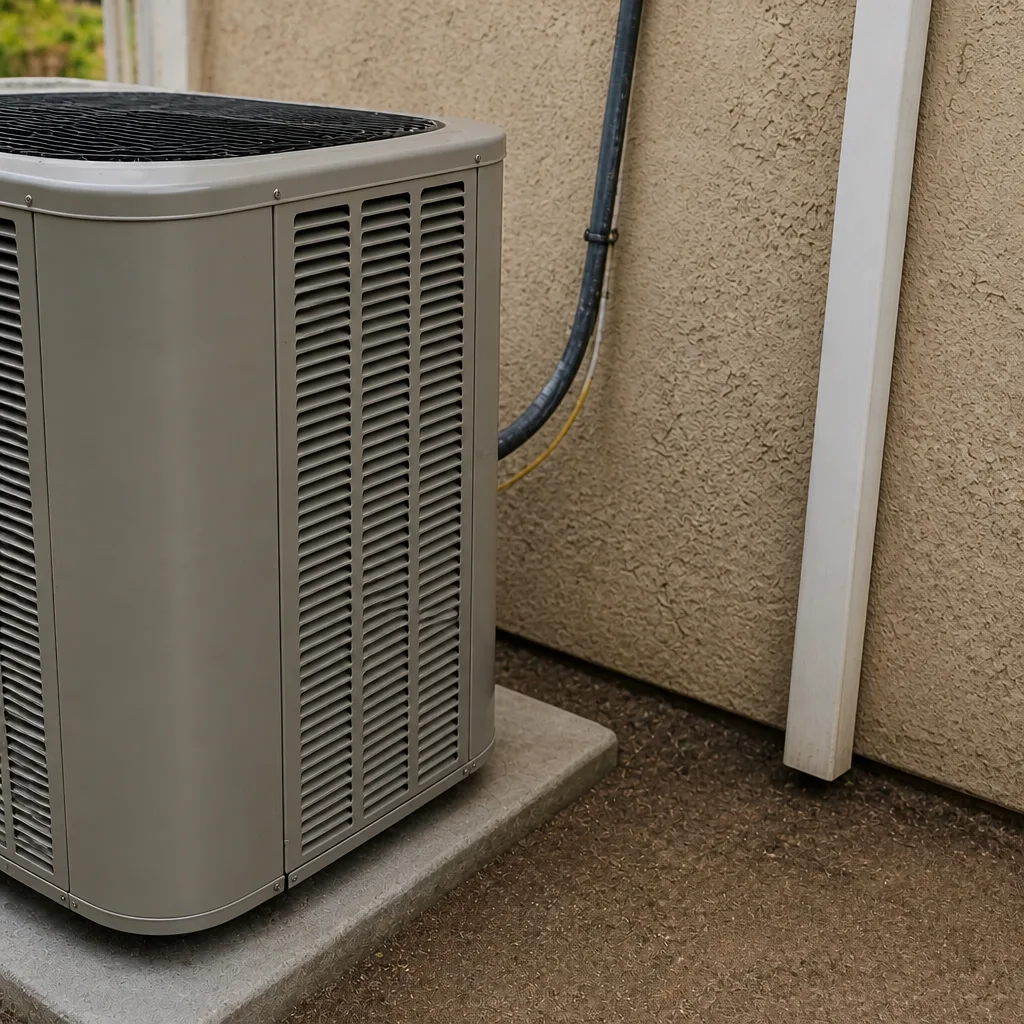
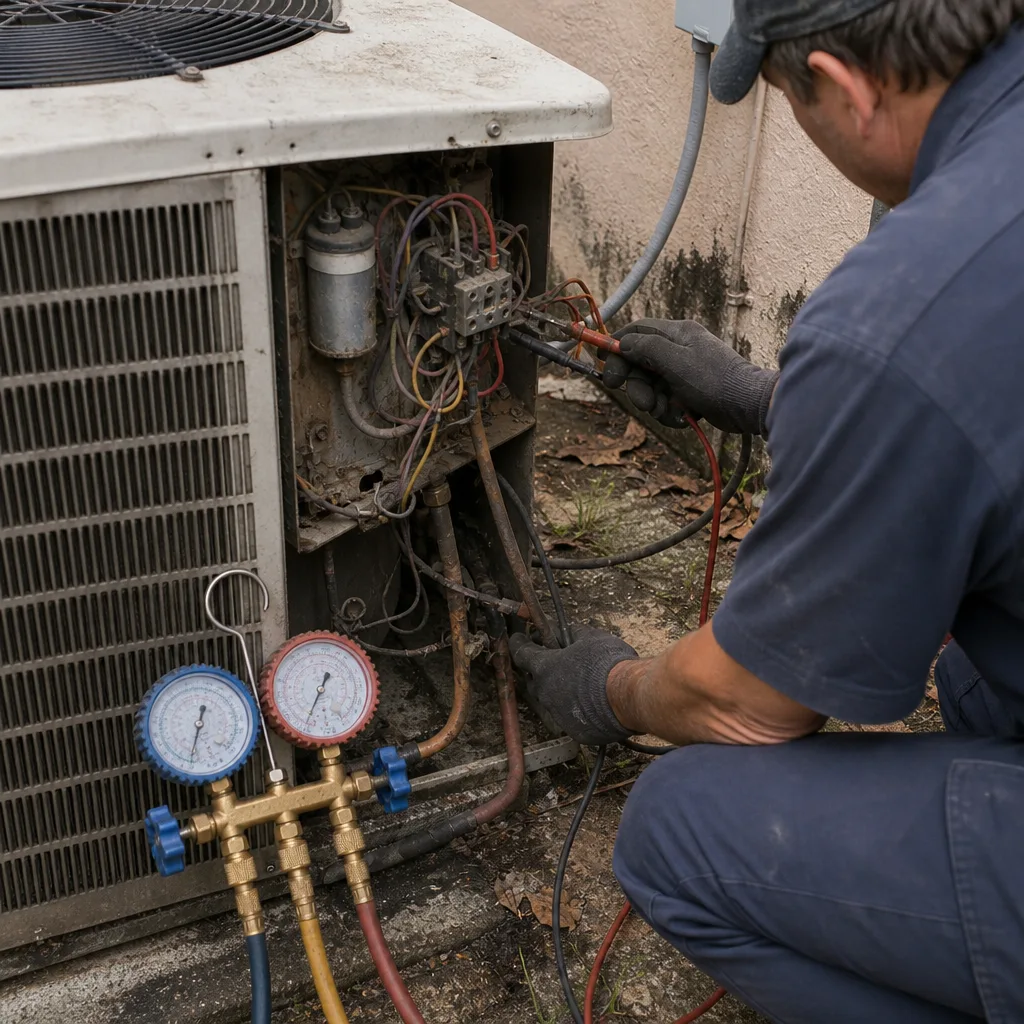
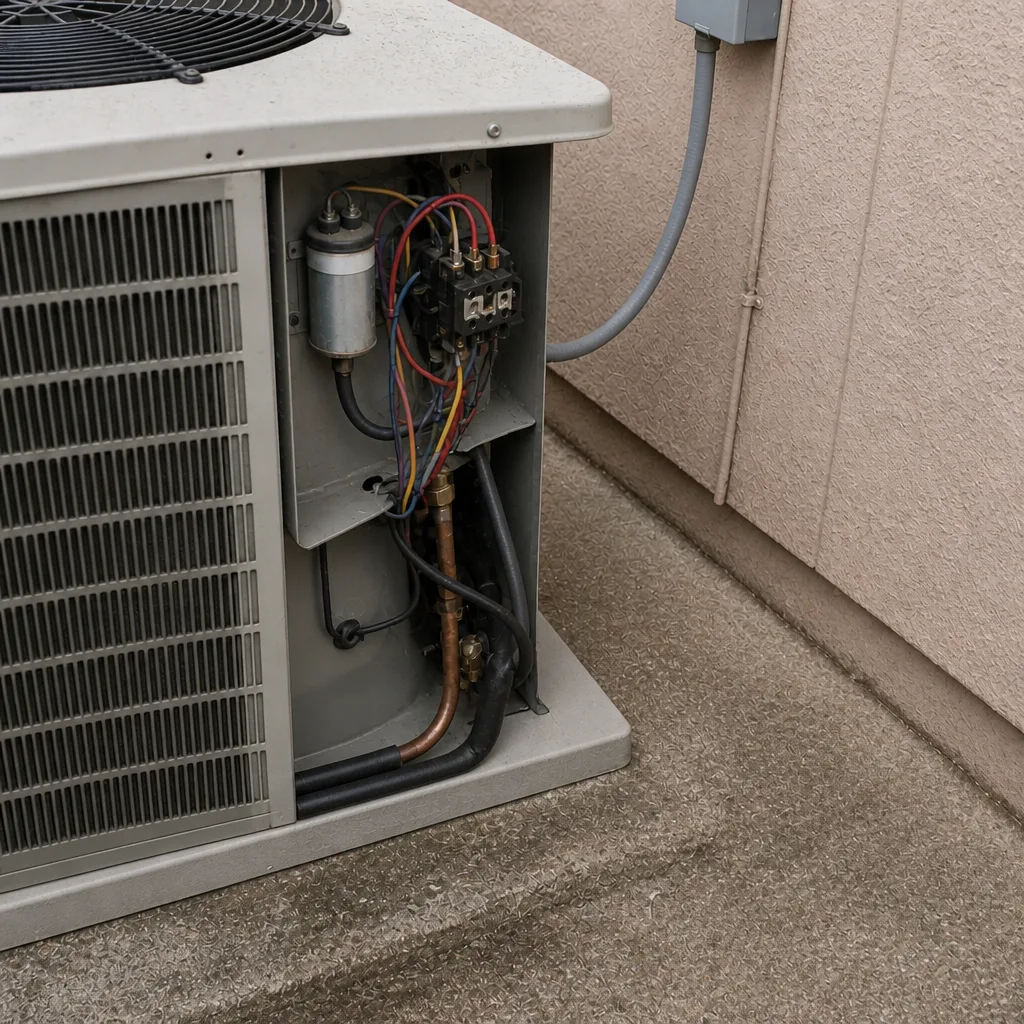
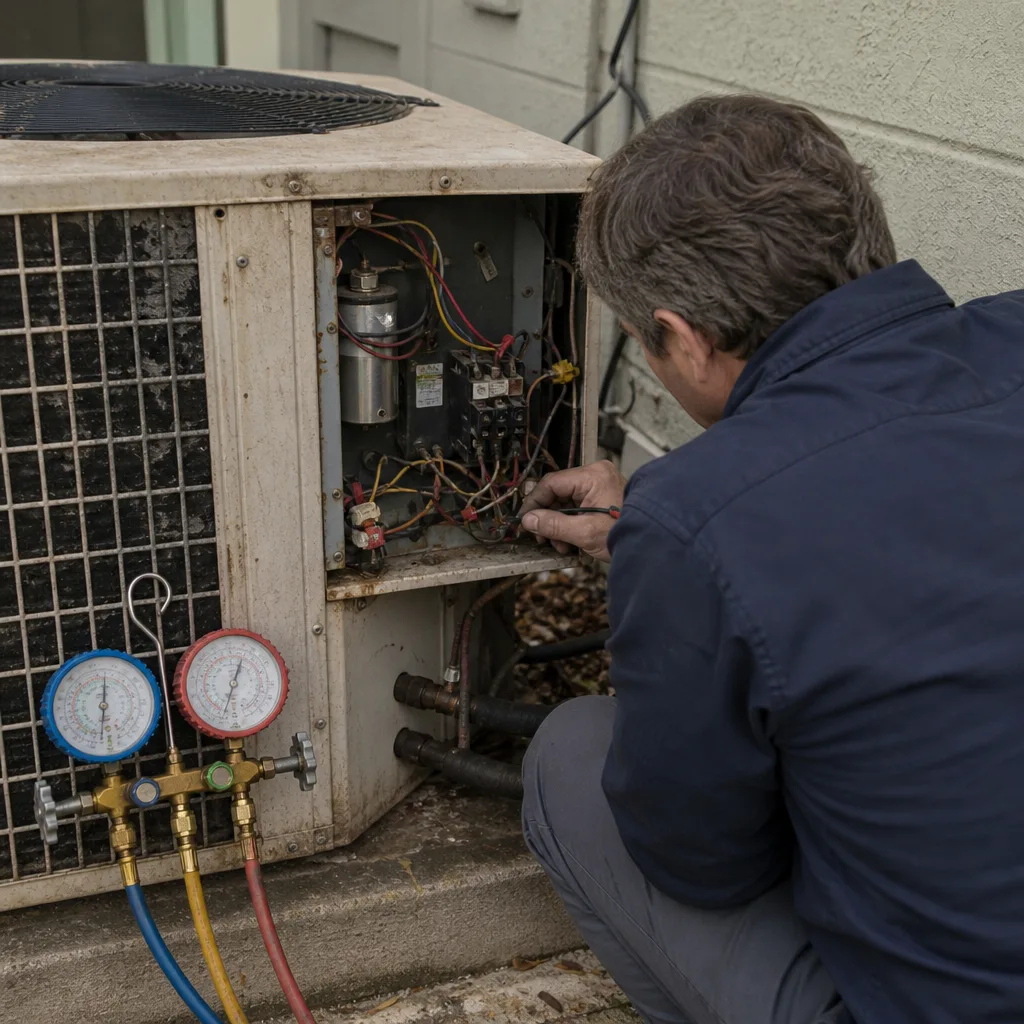
See the difference
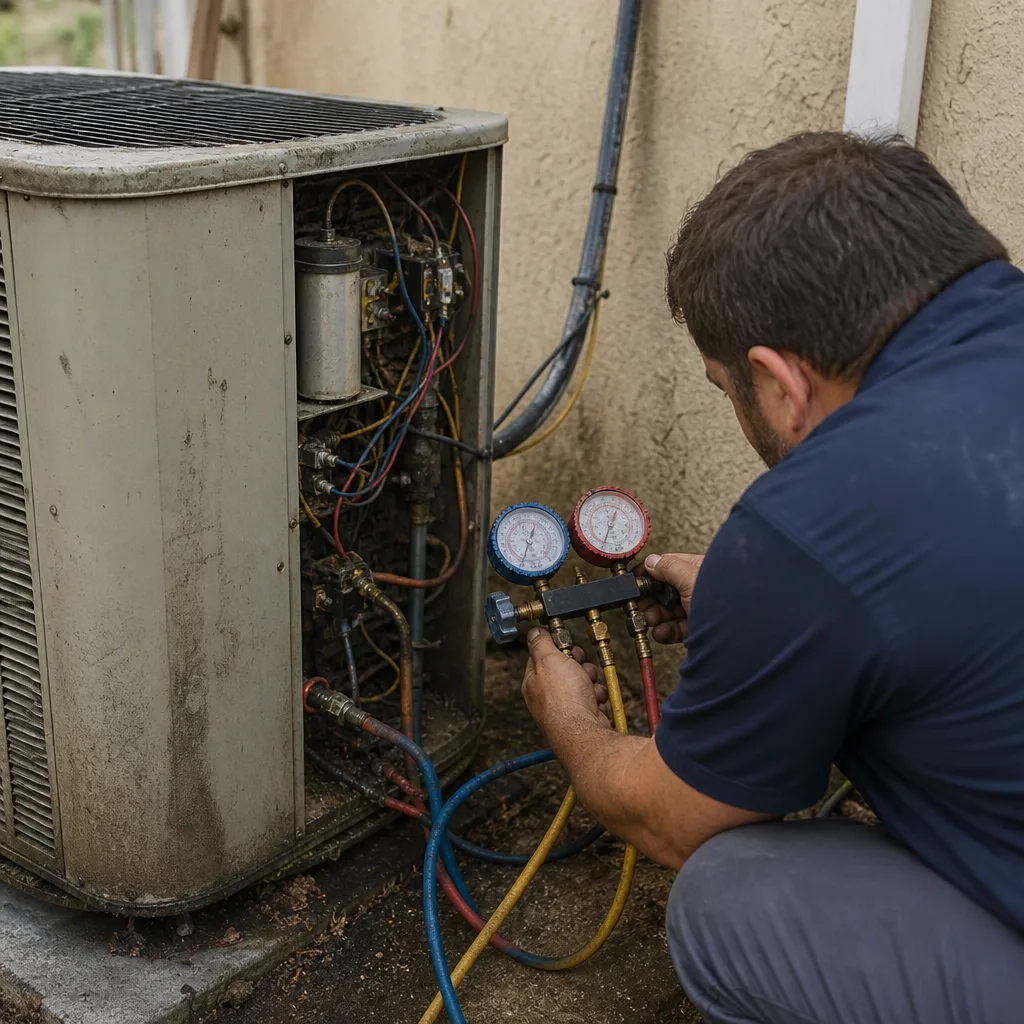 Before
 After
 Before
 After
 Before
 After
When to Call a Professional
Call a professional the moment you’re dealing with no cooling in extreme heat, a burning smell, repeated breaker trips, refrigerant issues, or water in or around the system. Those carry real risk, whether to your health or your home, and they don’t improve with waiting. In Cape Coral, a summer cooling failure for an elderly resident or a household with young children is a same-hour call, not a same-day wait. Our technicians work on whatever brand you have and arrive ready to diagnose. If you’re unsure whether your situation is urgent, a quick call to sort it out costs nothing. Linden AC Repair offers free estimates in Cape Coral, and we answer 24/7 with fast dispatch from 7am to 7pm. Call (855) 595-4793 and tell us what’s happening.
Frequently Asked Questions
It’s an emergency if the house loses cooling during extreme heat and anyone in the home is elderly, an infant, or has a health condition. It’s also an emergency if you smell burning, the breaker trips repeatedly, or you see ice on the coil or water around the system. These need prompt attention. Call (855) 595-4793. We answer 24/7.
Get vulnerable household members to the coolest room and offer water first, then close blinds, set up fans, and do only safe checks like the thermostat, filter, and breaker. Don’t open panels or keep resetting a tripping breaker. Note what you observe, then call for help if the problem isn’t one of the simple fixes.
Often yes, if you’re comfortable clearing the accessible end of the drain line. A clogged drain is a common cause of shutdowns in Cape Coral’s humid summers, and many systems have a float switch that shuts the unit off when water backs up. If you’re not comfortable, or the water keeps returning, call a technician. If you like, we can point you to more help on our Cape Coral page.
Secure or remove loose items near the unit, use a sturdy cover strapped down during high wind, and turn the system off before the storm arrives. Don’t run the system with a cover on. After the storm, check for debris and water before restarting, and if anything looks flooded or damaged, leave it off and call a professional.
Have your system’s brand, model, and serial numbers, a description of what it’s doing, what you’ve already checked, how long it’s been happening, your address and access details, and whether anyone in the household is vulnerable. That information helps a technician arrive with the right parts so the job gets done on the first visit.
No. Our price is set per job by the written estimate, and a heat emergency doesn’t add a premium. You’ll get an upfront price before work starts, and our estimate is free. Call (855) 595-4793 to find out what your repair will cost.
The Bottom Line
In Cape Coral, HVAC preparedness is a safety matter, not a comfort one. Because heat indexes routinely top 105°F, a summer cooling failure can put elderly residents and young children at real risk within hours, and during a heat emergency, same-day slots go fast. The homeowners who get help quickly are the ones who prepared before anything broke. Build your kit with model and serial numbers and a written cooling plan. Learn the safe checks and the stop-and-call signals. Protect your outdoor unit before storm season and check it after. Change your filters and keep your drain clear. And when something does fail, call with the right details. Our technicians have up to experience and work on whatever brand you have. Call (855) 595-4793 for a free estimate. We answer 24/7, with fast dispatch from 7am to 7pm, Sunday through Friday.
Written by the team at Linden AC Repair.