
Last updated November 15, 2026
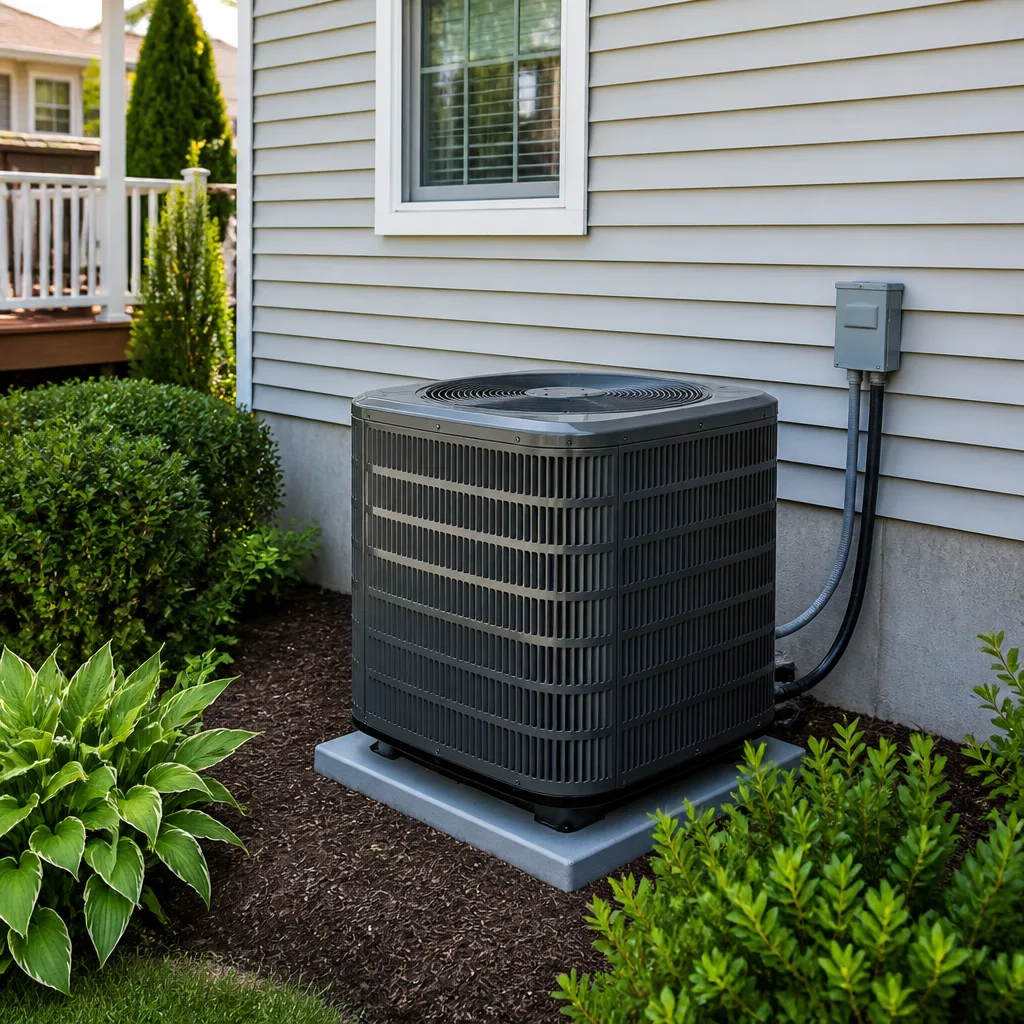 AC repair
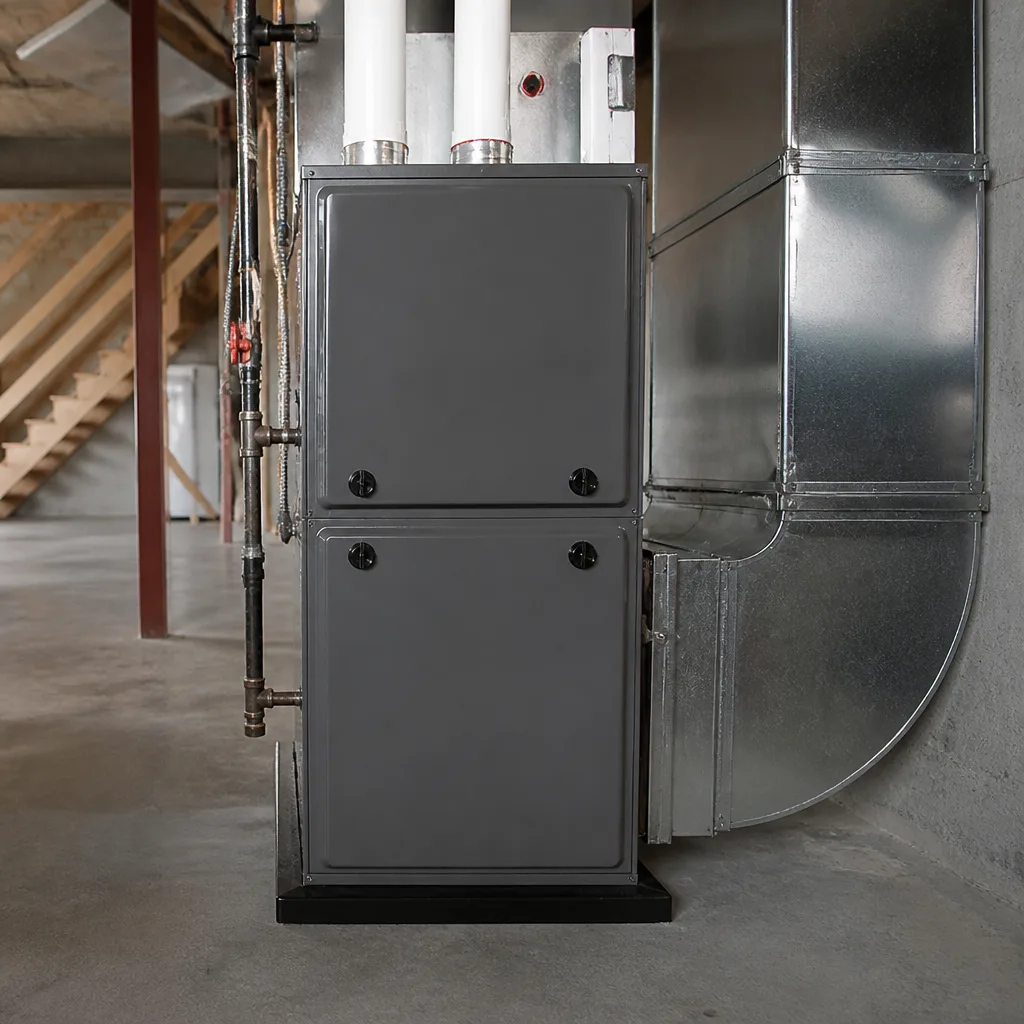 Furnace & heating
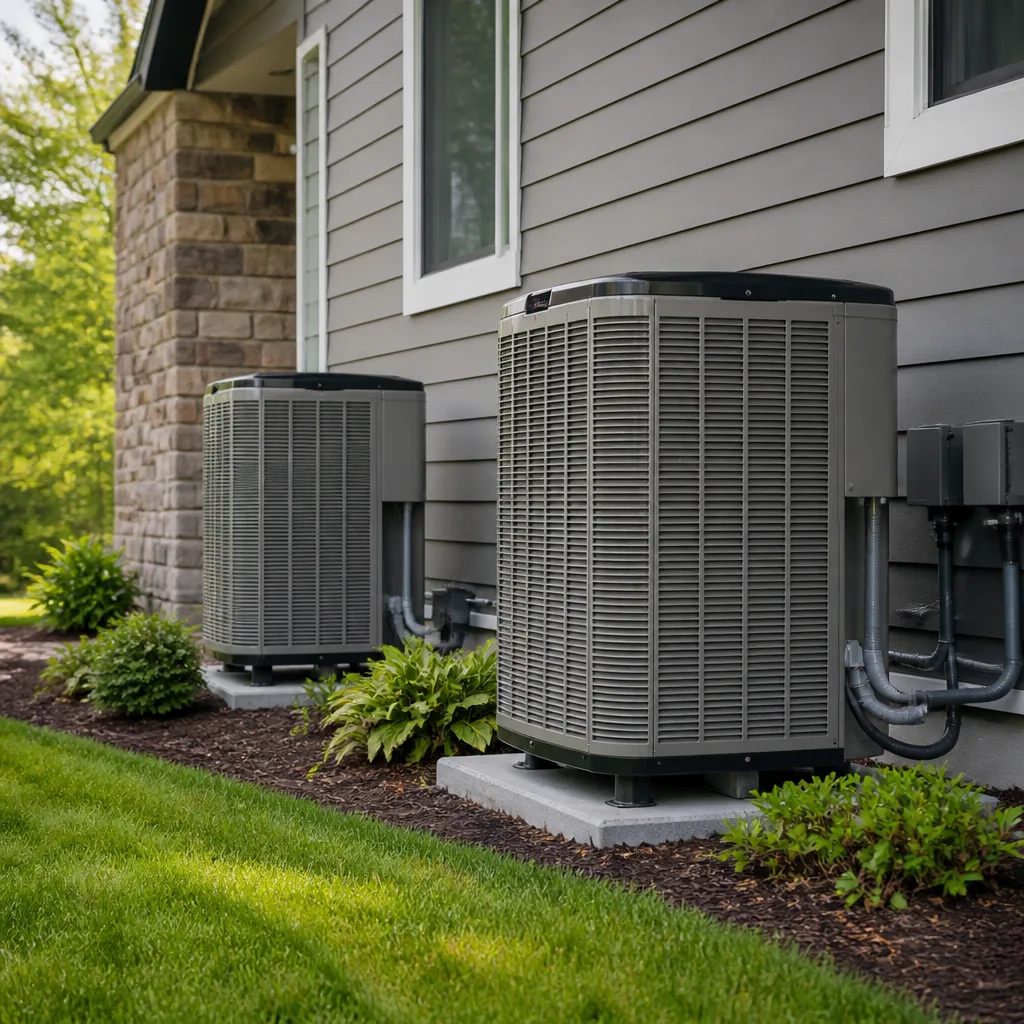 Heat pumps
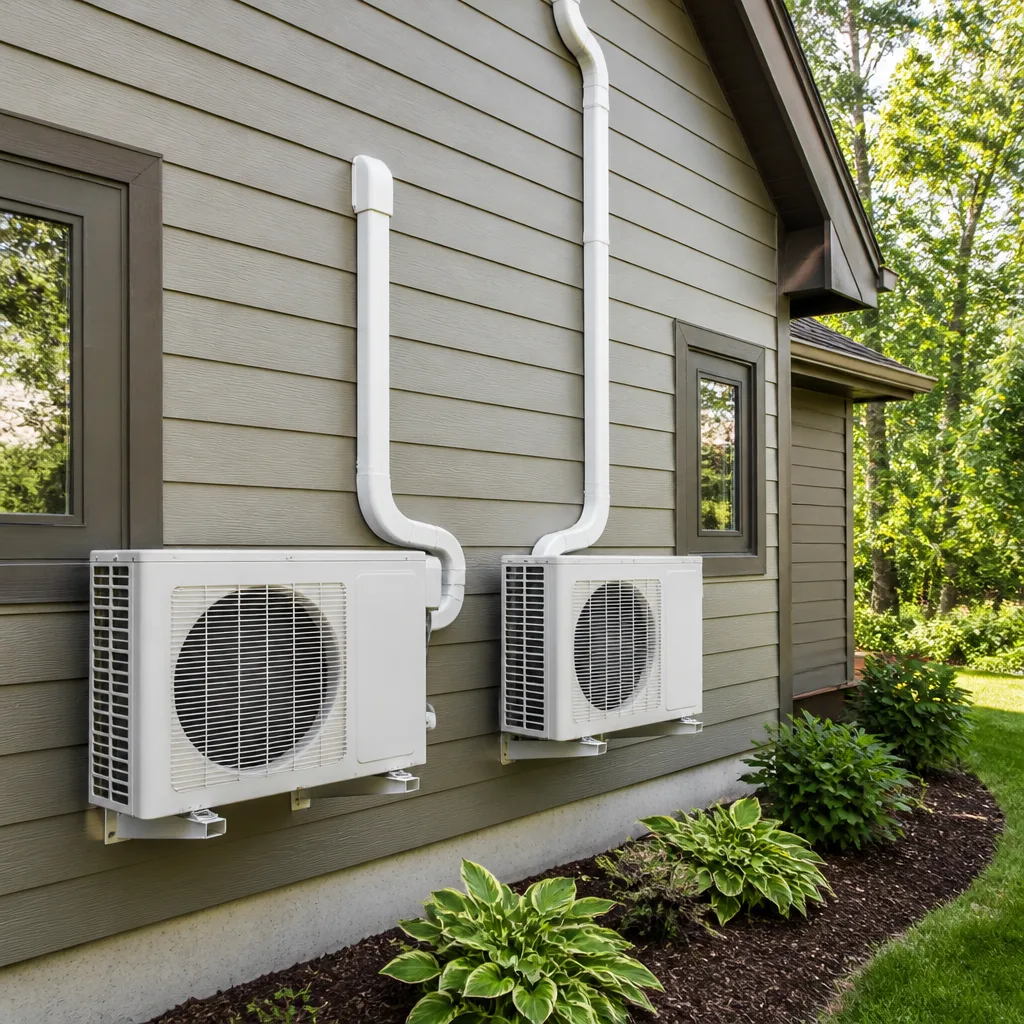 Ductless mini splits
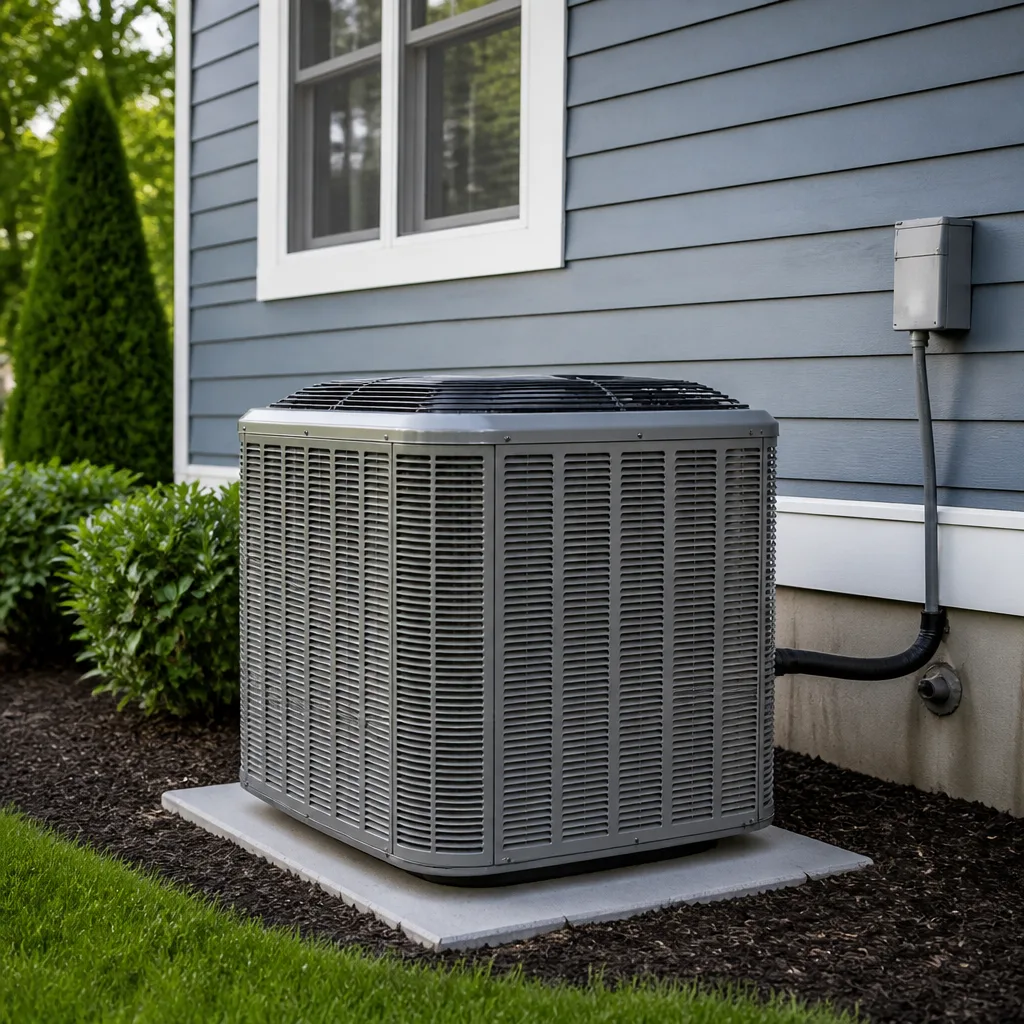 Carrier
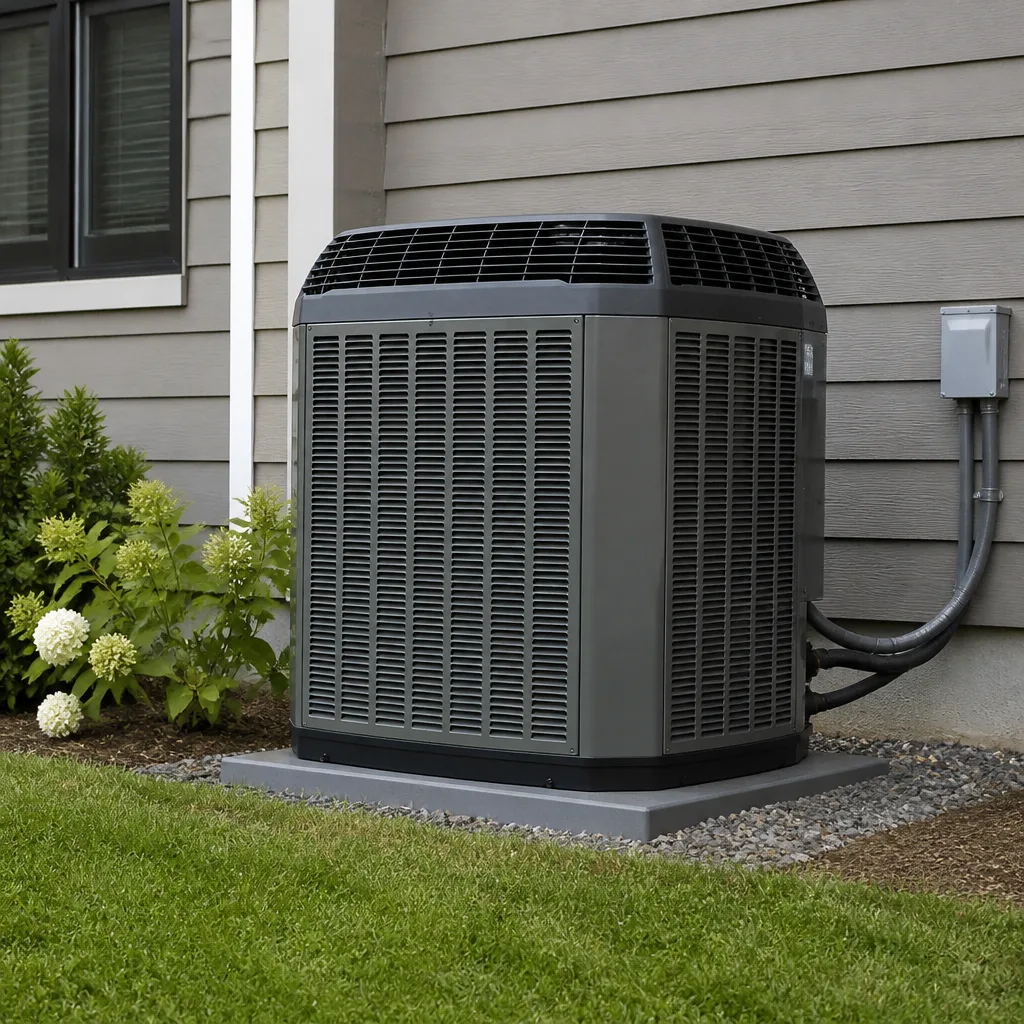 Trane
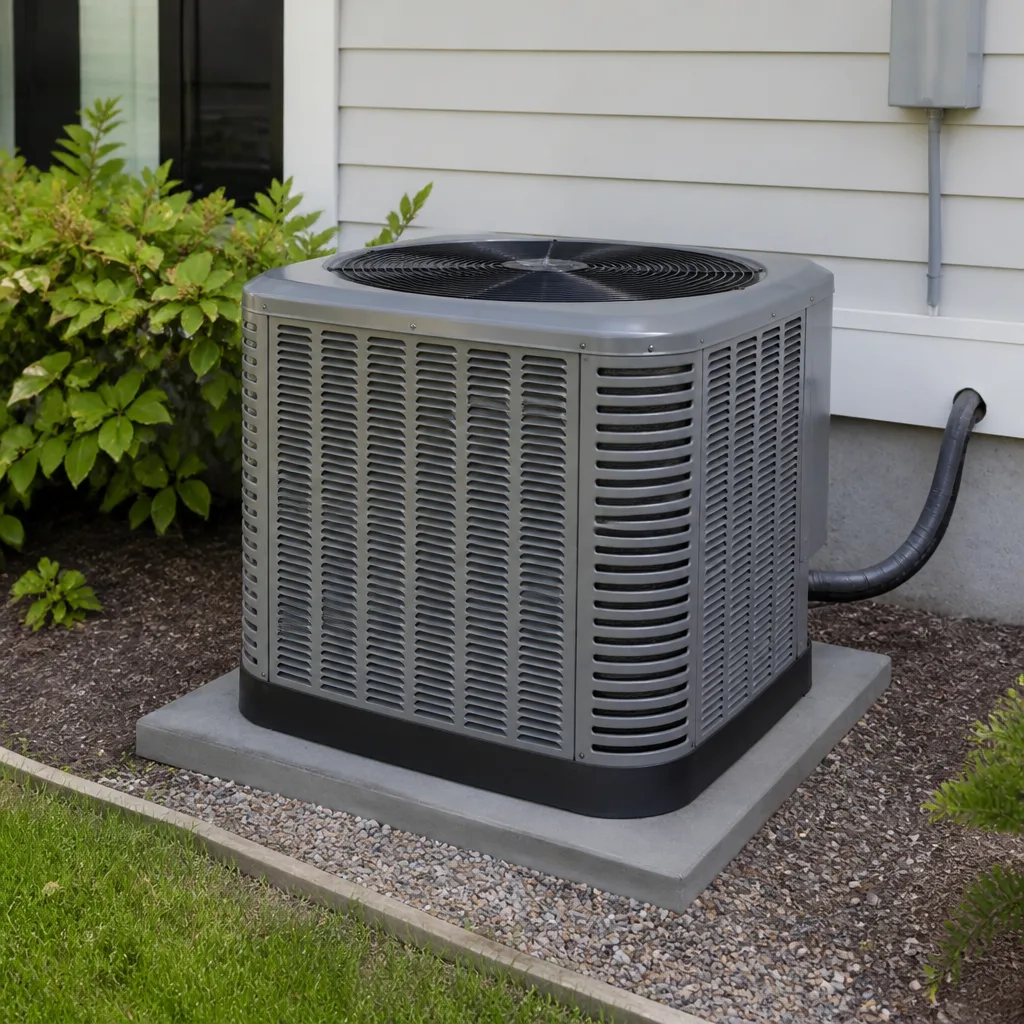 Goodman
Seasonal tune-up and full diagnostic on your Carrier, Trane, or Goodman system - readings shown to you before any repair is proposed
Diagnosis first, numbers second - you approve the repair price before a single part goes in.
Get your free estimateHVAC Warning Signs: A Cape Coral Homeowner’s Reference Guide
Most HVAC warning signs are the same everywhere: weak airflow, odd noises, a bill that creeps up. What changes in Cape Coral is how fast those signs appear and how easy they are to wave off. Here, an AC runs hard through months of heat and humidity, so a small refrigerant leak or a corroded contactor reaches failure sooner than it would in a milder climate. A unit that cycles a little more than it used to feels normal in July. It can also be the first chapter of a failing compressor. This guide walks through the symptoms specific to Cape Coral homes, what each one points to, and when a repair beats a replacement.
Quick Answer
The HVAC warning signs Cape Coral homeowners should act on early are: a system that runs longer or cycles more often than it used to, a utility bill that climbs without weather to explain it, musty air from the vents, corrosion visible on the outdoor unit, and new sounds like a hiss, squeal, rattle or gurgle. In this climate, any of these tends to get worse rather than correct itself, so a diagnostic visit early is almost always cheaper than waiting.
Styles & brands we work with
- AC repair
- Furnace & heating
- Heat pumps
- Ductless mini splits
- Carrier
- Trane
- Goodman
Table of Contents
- Is It the Heat, or Is It the System?
- The Utility Bill Pattern That Predicts Failure
- Why Musty Air From Vents Is Never Normal
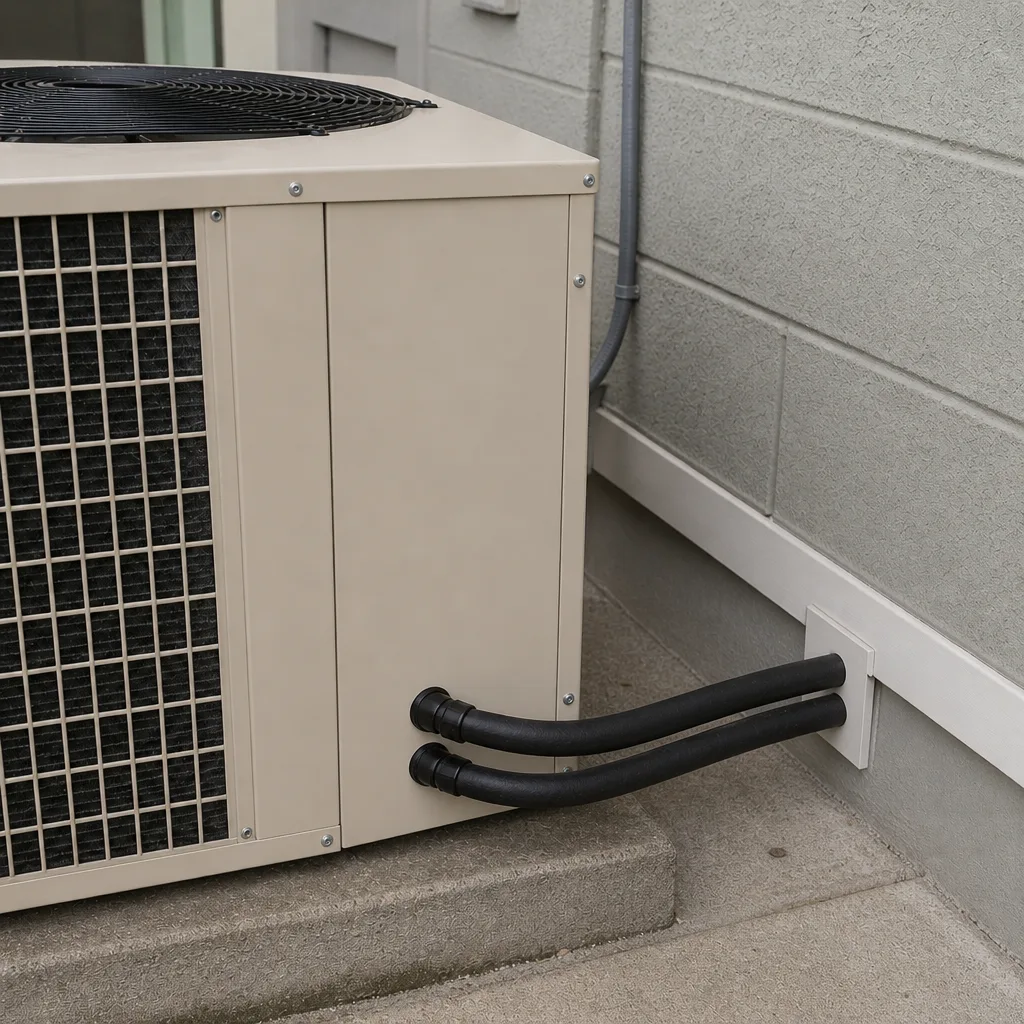
- What to Look For on the Outdoor Unit, Quarterly
- Four Sounds and What Each One Means
- Reading Your Thermostat Like a Diagnostic Tool
- Repair or Replace: The Honest Decision
- Common Mistakes to Avoid
Is It the Heat, or Is It the System?
A Cape Coral air conditioner is supposed to struggle a little in the middle of summer. It’s doing more work than it would in a gentler climate, and some extra run time is honest. The trick is telling normal strain from mechanical decline. There’s a real line, and it shows up in how the system behaves rather than in how you feel on any single afternoon.
Normal heat-driven behavior looks like this: the system runs long on the hottest afternoons and recovers, it holds the set temperature without much drift, and it still shuts off for real breaks when the outdoor temperature drops. The house gets a little warmer in the peak of the day, then settles. That’s a system doing its job.
Mechanical decline looks different. Look for:
- Run times that stretch past the heat. If the system used to cycle off periodically and now just stays on, the load may not be the only reason.
- Short cycling. The system starts and stops in rapid bursts, never reaching a steady state. That often points to a refrigerant imbalance, an oversized unit, or a control fault.
- Temperature drift across the house. One room stays warm no matter what you set. That’s airflow or duct trouble, not a thermostat quirk.
- A unit that can’t recover overnight. If the house is still warm at dawn when it used to catch up, the cooling capacity itself has slipped.
The distinction matters because heat strain is solved with patience and shade, and mechanical decline is solved with a diagnostic visit. Waiting on the second one because you assume it’s the first is how a $200 relay job turns into a compressor replacement. In our experience working on Cape Coral systems, the homes that catch the shift early are the ones that get years more out of their equipment.
The Utility Bill Pattern That Predicts Failure
Your monthly power bill is the most honest diagnostic tool you own, and it tells you about a failing system weeks before the house starts feeling warm. The pattern to watch is a steady climb that doesn’t match the weather.
Compare the same billing period to the same period a year earlier. Some year-over-year rise is normal with rate changes. What isn’t normal is a bill that climbs month after month while the outdoor temperatures are roughly the same as the prior year. That gap is usually energy the system is burning to deliver the same cooling, which means something inefficient has crept in.
Common causes of a slow bill climb in Cape Coral homes:
- A refrigerant charge that’s drifting low. The compressor works harder to move the same heat, and the meter sees it.
- Dirty coils or a clogged filter. Restricted airflow means the system runs longer for less cooling.
- A failing capacitor or a tired compressor. The unit starts harder and runs less efficiently.
- Duct leaks. Cooled air escapes into the attic before it reaches the rooms, and the system runs longer to compensate.
None of these are emergencies on the day you spot the bill. That’s the point: this is the earliest warning you get, and it gives you room to schedule a diagnostic visit before anything fails outright. If your bill has been creeping and the house still feels fine, that’s a good sign to have someone look. It usually means the system is on a slower decline, which is the easiest kind to fix.
Why Musty Air From Vents Is Never Normal
Musty air coming from your vents is never a normal condition, even in a humid place like Cape Coral. A well-maintained system moves air that should smell like nothing at all. When it smells like a damp basement, something specific is going on, and it’s worth pinning down which of three common culprits it is.
Microbial growth inside the system
Humidity in a Cape Coral home gives mold and mildew a friendly environment, and the air handler is a favorite spot. Condensate collects on the coils and in the drain pan, and if drainage is slow or the system sits off for stretches, that damp surface becomes a growing medium. The tell is a smell that shows up strongest at startup after the system has been off for hours, then fades as air moves. That fade is not a fix: it means the growth is still there and only the concentration has dropped.
A drain pan or drain line problem
Every AC produces condensate, and in this climate it produces a lot. If the drain line clogs or the pan cracks, water pools where it shouldn’t. That standing water stinks, and over time it can damage the pan and the surrounding cabinet. A musty smell paired with any sign of moisture near the indoor unit is a drainage issue, and it should be looked at promptly because water damage compounds.
A duct leak pulling in attic air
Ducts run through the attic in most Cape Coral homes, and the attic air here is hot and humid. A leak in a return duct can pull that air into the system, and with it whatever smell the attic carries. The tell is a smell concentrated in certain rooms near the leak, plus a system that seems to run longer than it should.
Each cause has a different fix, which is why a musty smell is one of the warning signs worth acting on rather than masking. Air fresheners and filters treat the symptom. The source is what needs attention, and a technician can identify it in a single visit.
What to Look For on the Outdoor Unit, Quarterly
Your outdoor condenser is built to sit in the weather, but it’s not built to sit neglected. A quick quarterly check, four times a year, takes about two minutes and can catch a problem before it becomes a repair bill. You don’t need tools. You need to look.
Here’s the quarterly routine we recommend:
- Look at the fins. The thin aluminum fins on the coil should be straight and clean. Crushed fins, visible debris packed between them, or a mat of dust or grass clippings all restrict airflow and push the system to work harder.
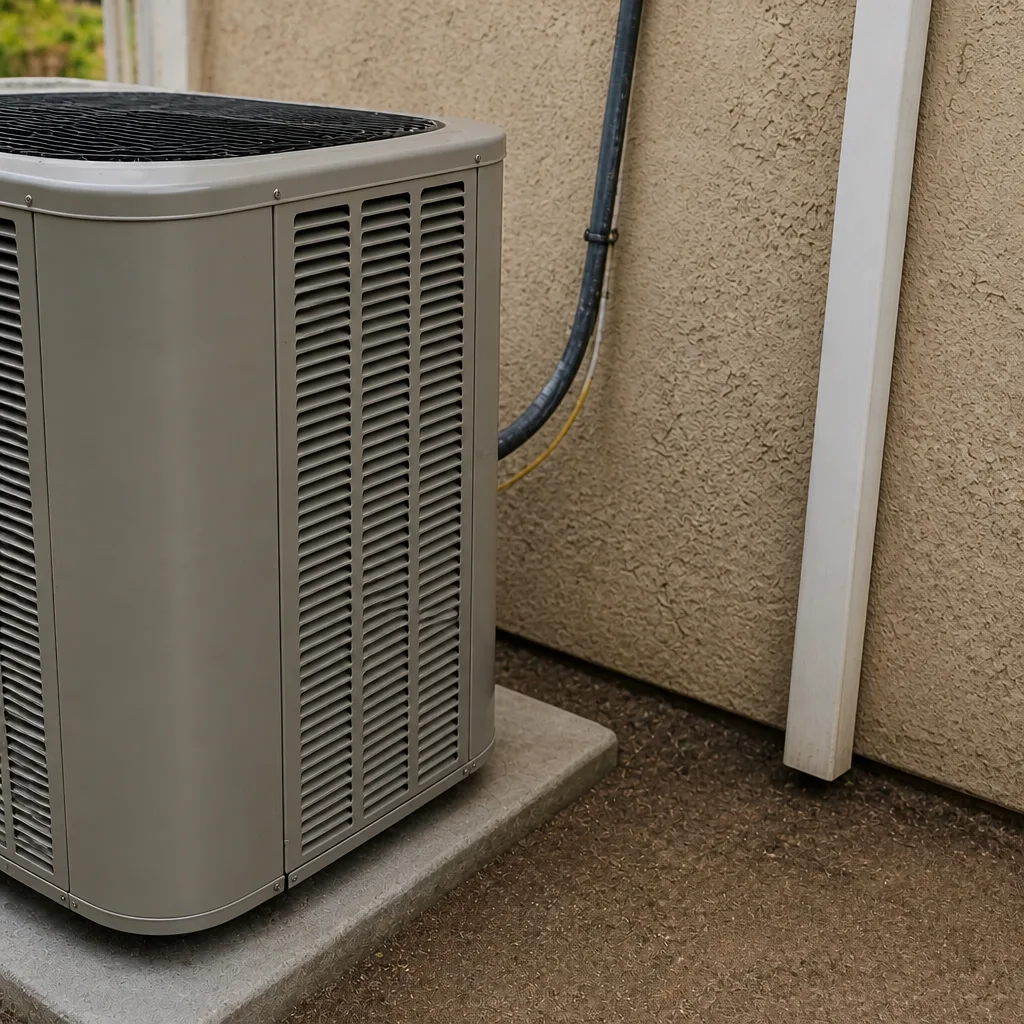
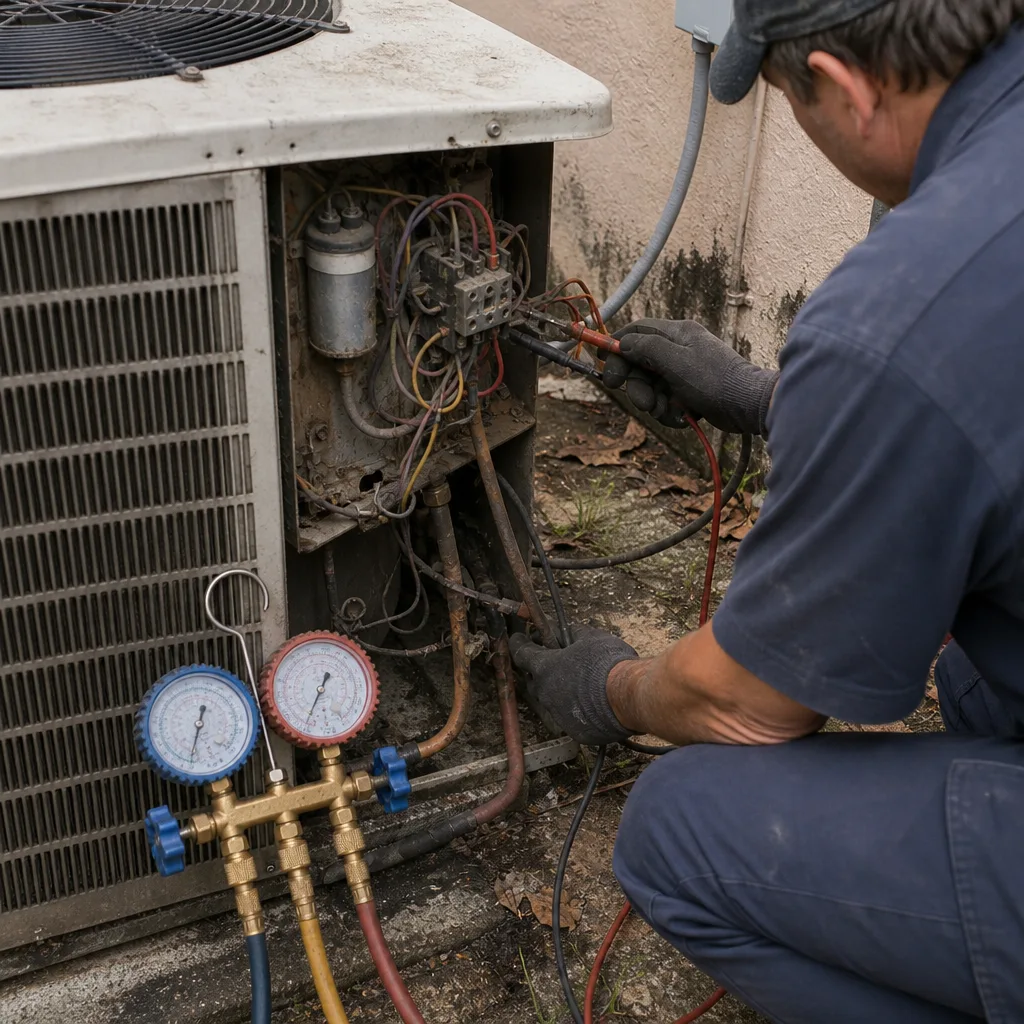
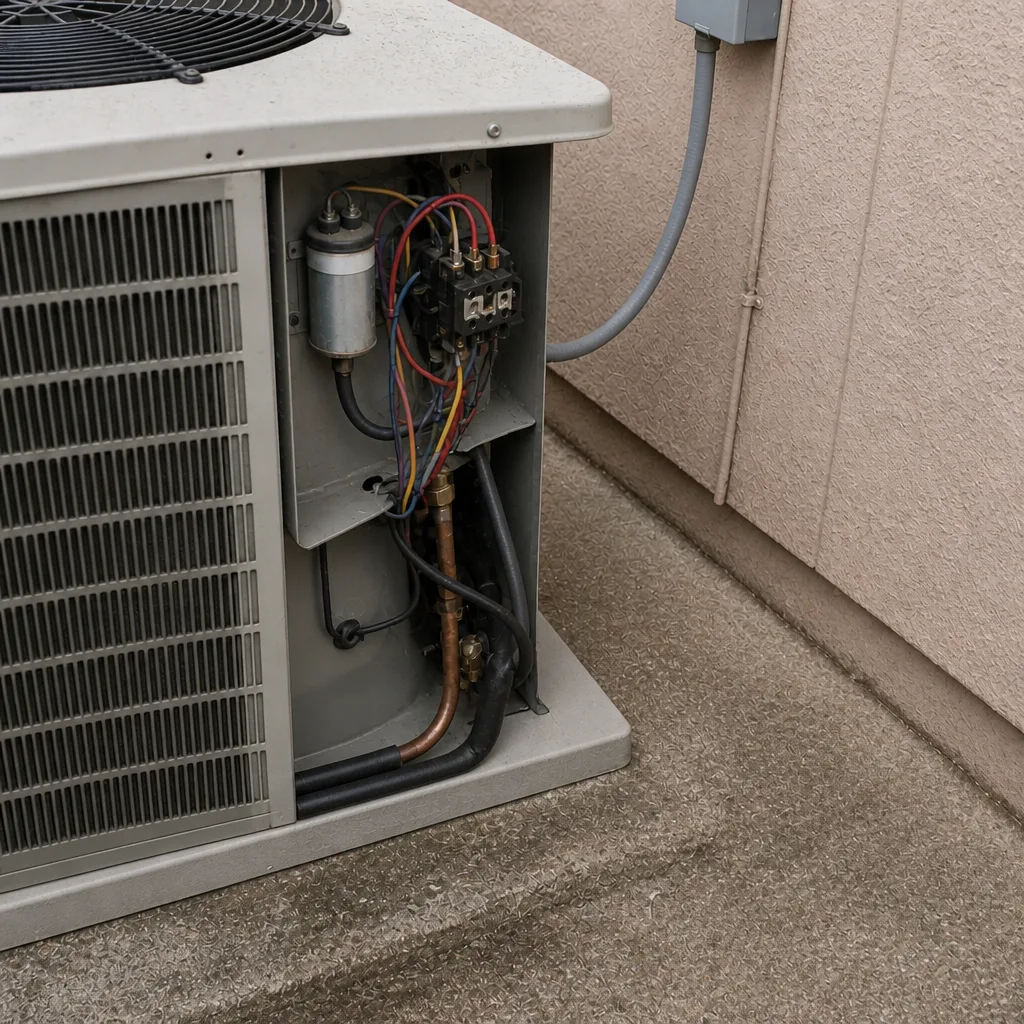
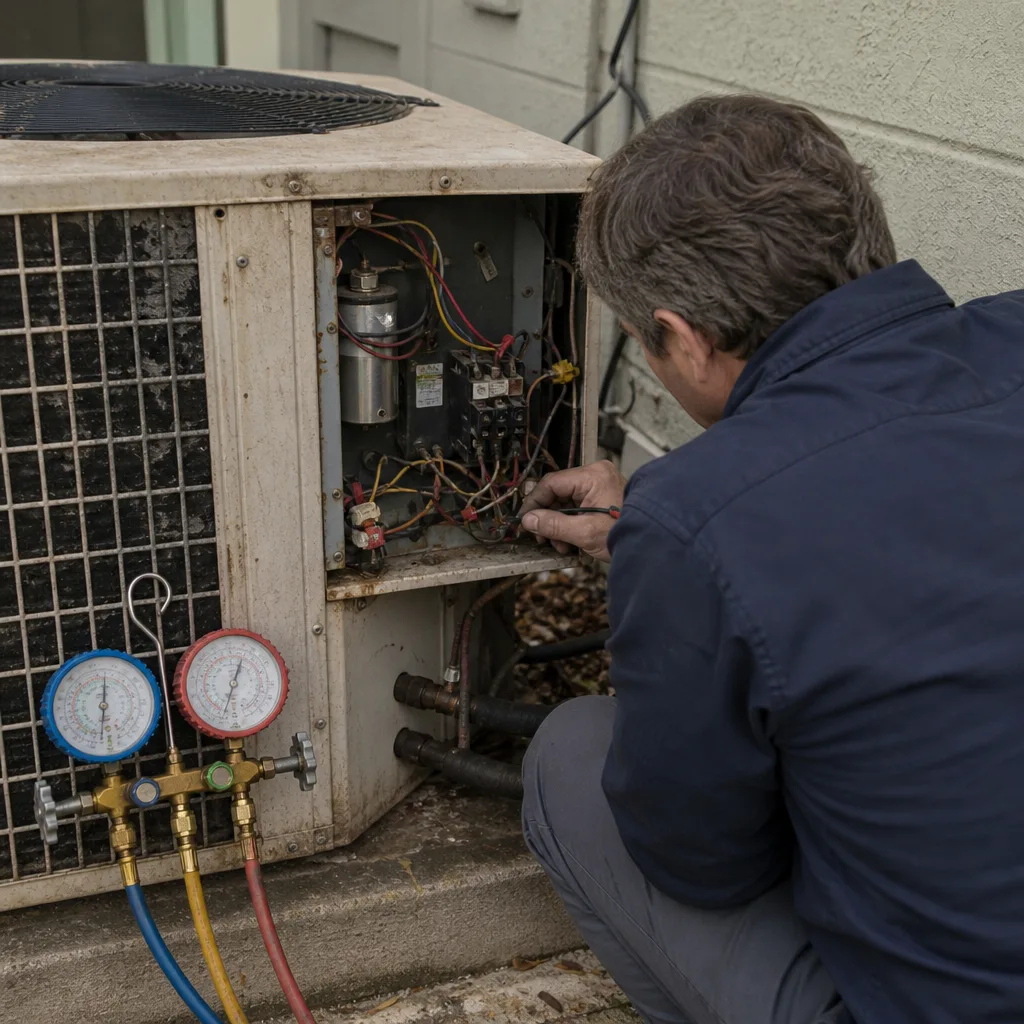
- Look at the cabinet. Rust spots, bubbling paint, or white powdery deposits on the metal are signs of corrosion. Corrosion on the cabinet is often cosmetic, but corrosion on the internal connections and contactors is not, and it’s a common cause of a system that won’t start.
- Look at the pad and the base. The unit should sit level. A pad that’s settling or cracked tilts the unit, which stresses the compressor and the refrigerant lines over time.
- Look at the disconnect and the line set. The electrical disconnect box and the refrigerant lines should be intact, with no chew marks, sun-cracked insulation, or loose fittings.
- Look for standing water or mud around the base. In Cape Coral, a poorly draining yard or a clogged condensate line can leave water where the unit sits, which accelerates corrosion.
If any of these show up, don’t reach for a wrench. The outdoor unit holds high-pressure refrigerant and energized electrical components, so the safe move is to note it and have a technician take a look. Corrosion caught early is a minor maintenance item. Corrosion caught late is a failed contactor or a leaking coil.
Four Sounds and What Each One Means
You don’t need to be an HVAC tech to use your ears, and unusual sounds are among the most reliable warning signs once you know how to translate them. Here’s how we break down the four sounds Cape Coral homeowners ask about most, in plain terms.
Hiss
A hiss usually means refrigerant. It can be a small leak at a fitting, or a valve letting gas escape past a seal. The sound may be intermittent and faint, which is why it’s easy to miss. A hiss combined with weak cooling is a strong signal to have the system checked. Refrigerant handling is a strictly regulated job and belongs to a trained professional, not a homeowner with a can.
Squeal
A squeal is a friction sound, and it most often comes from a bearing or a belt. In a blower motor, a worn bearing makes a high-pitched squeal that gets louder over time. In a belt-driven setup, a slipping or glazed belt makes a similar noise. Either way, a squeal means a moving part is wearing, and a worn part that fails mid-summer takes the comfort of the whole house with it.
Rattle
A rattle is usually loose hardware or a loose panel. Sometimes it’s a fan blade that’s out of balance or has lost a chunk. Sometimes it’s the compressor mounting. Most rattles are cheap to fix when caught early and expensive to ignore because the vibration wears out parts around them.
Gurgle
Gurgling or bubbling is the sound of fluid or vapor moving where it shouldn’t, and it often points to a refrigerant issue or a partially clogged condensate drain. A gurgle coming from the indoor unit can mean water is backing up in the drain line. A gurgle from the outdoor unit often means the refrigerant circuit is not behaving as designed.
In general, the earlier a sound is strange, the easier it is to diagnose. A hiss you hear once a week is more tractable than a compressor that has already failed.
Reading Your Thermostat Like a Diagnostic Tool
Your thermostat is more than a dial. It’s a data source, and reading it correctly turns guesswork into a clear picture of how the system is doing. The key is to look at it as a record of behavior, not just a display of temperature.
What to watch on the thermostat:
- How often it calls for cooling. A system that kicks on and off in short bursts is short cycling. A system that runs continuously and still can’t hold the set temperature has lost capacity.
- The gap between set and actual. If you set the house to 74 and the thermostat reads 78 after hours of running, the system is not meeting the load. In Cape Coral heat, some afternoon drift is fine. Sustained inability to catch up is not.
- Fan mode. If the fan is set to “on” rather than “auto,” it runs constantly and masks short cycling. Set it to auto when you’re diagnosing so the thermostat tells you the truth about the compressor.
- Any error or fault codes. Modern thermostats on Carrier, Trane, Lennox, and Goodman systems often display a fault code when something’s wrong. Write it down and share it when you call. It saves diagnostic time.
If you’ve watched these patterns and something looks off, that’s your cue. The thermostat is a straightforward first check, and it’s free. Our technicians have up to experience reading exactly these patterns on Cape Coral systems, and a quick look at the data usually tells us where to start.
Repair or Replace: The Honest Decision
The repair-or-replace question is the one most homeowners dread because it feels like a sales pitch waiting to happen. In our experience it’s usually a clear call, and the honest answer is that your existing system deserves a real diagnostic before anyone talks you into a replacement.
Here’s the framework we use:
- How old is the system? An AC in Cape Coral runs far more hours per year than one in a cooler climate, so equipment here reaches its practical end sooner. Age alone doesn’t decide it, but it changes the math.
- What’s the repair cost relative to a replacement? A single failed component on an otherwise healthy system is usually a repair. A string of failures in a short window is a sign that the whole unit is tired.
- Is the problem isolated or systemic? A bad capacitor or a dirty coil is isolated. A leaking compressor, a rusted-out evaporator coil, and a failing air handler together are a replacement conversation.
- Does the system meet the house’s load? An undersized or oversized system never quite works right, no matter how many repairs it gets. That’s when replacement makes sense on performance grounds, not just age.
If the answer is a new system, that’s where AC installation comes in, and it’s a project with real lead time because it needs a proper load calculation, a set install date, and a written fixed price. If the answer is a furnace problem in the cooler months, furnace repair is the other half of the work we do. Our default instinct is to fix what exists. A repair-first shop is a shop that isn’t looking for a reason to sell you a new unit. We work on whatever brand you have, whether it’s a Carrier, a Trane, a Lennox, or a Goodman, and we don’t push a replacement because a technician only stocks parts for one manufacturer.
Common Mistakes to Avoid
- Assuming extra run time is only the heat. Some of it is, but a system that used to cycle off and no longer does is telling you something. Watch it for two weeks and compare it to the same time last year.
- Ignoring a musty smell. The smell doesn’t go away on its own, and the source gets worse. A musty vent smell in a Cape Coral home is a drainage or growth issue, and it deserves a look before it becomes a bigger repair.
- Skipping the quarterly outdoor check. Two minutes with a flashlight catches corrosion, a tilted pad, or packed fins before they cause a no-start in August.
- Replacing parts instead of diagnosing the cause. A capacitor that fails because the compressor is drawing too much current will fail again. The symptom is not the cause.
- Calling a general handyman for refrigerant work. Refrigerant handling is regulated and belongs to a trained HVAC professional. A shortcut there is a shortcut to a bigger bill.
- Chasing the cheapest quote. A price that doesn’t include a proper load calculation or a written fixed price is a guess, not an estimate. Ask what’s included before you commit.
- Putting off the call because the house still feels cool. The utility bill usually tells you the system is declining before the house does. The earlier the call, the more options you have.
See the difference
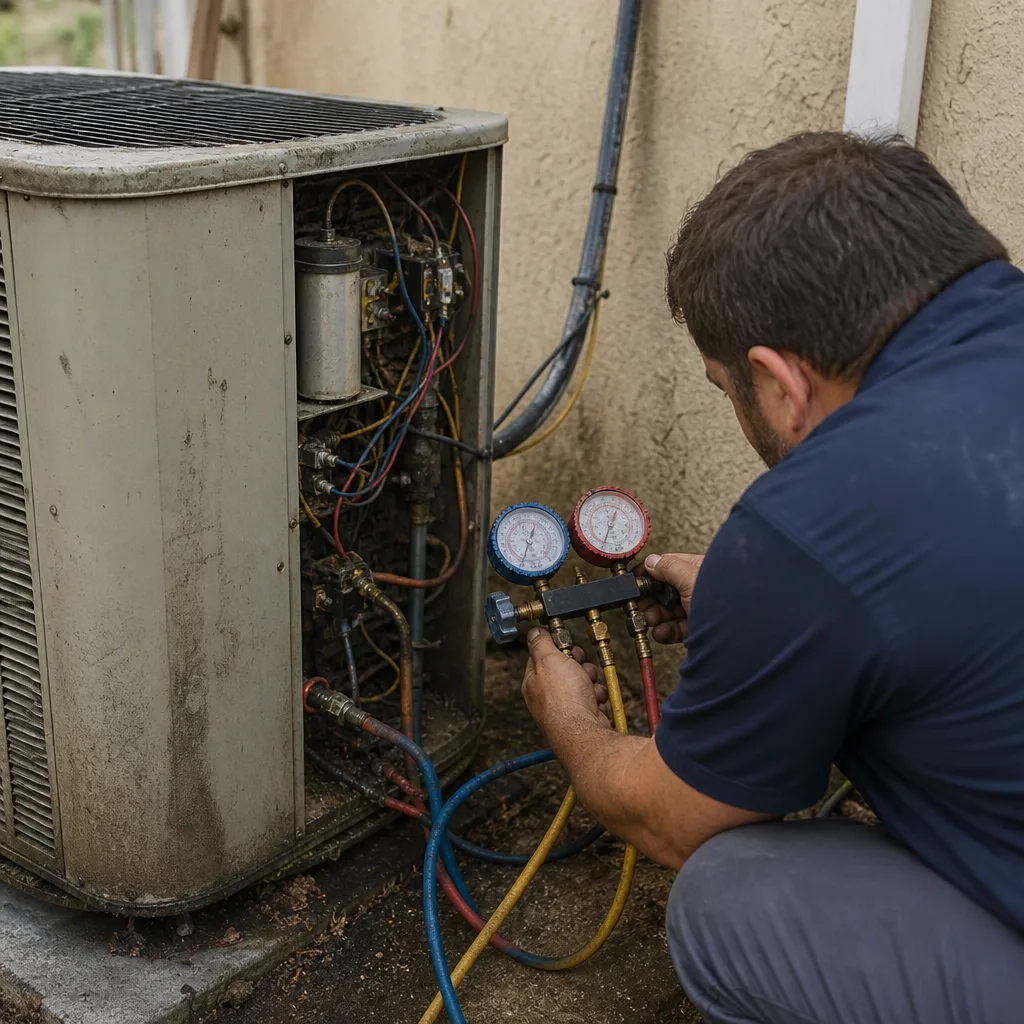 Before
 After
 Before
 After
 Before
 After
When to Call a Professional
Call a professional when the signs point to refrigerant, electrical components, or anything you can’t safely inspect. That means a hiss from the line set, a system that won’t start, a thermostat that reads fine but the house won’t cool, persistent musty air, or visible corrosion on the outdoor electrical connections. A system that’s more than a decade old and has had two or more repairs in a year is also a good reason for a professional diagnostic, because that pattern is about the whole unit. We handle Linden AC Repair as an HVAC-only shop, so every call is a heating and cooling call, not a general handyman visit. We offer free estimates in Cape Coral, a written price set per job, and we work on whatever brand you have. Call (855) 595-4793. We answer 24/7. Fast dispatch from 7am to 7pm, Sunday through Friday.
Frequently Asked Questions
The first sign is usually a utility bill that climbs without a weather reason, followed by longer run times. Both are easy to dismiss in Cape Coral heat, which is exactly why they’re worth acting on. If the bill is up month over month while temperatures are steady, get it checked. Call (855) 595-4793 for an exact quote. Estimates are free.
No. Musty air is never normal, even in Cape Coral, and it usually points to microbial growth in the air handler, a drain pan or drain line issue, or a duct leak pulling in attic air. Each has a different fix. The smell won’t correct itself, so it’s worth a diagnostic visit. Call (855) 595-4793 to book one.
A hard-working system runs long on hot afternoons and then takes real breaks; a short-cycling system starts and stops in rapid bursts and never settles. Set your thermostat fan to auto and watch the pattern for a day. If it’s rapid cycling, have it looked at before the compressor takes the strain. Call (855) 595-4793.
Age alone doesn’t decide it. A 12-year-old unit with one failed part is usually a repair; the same unit with a leaking compressor and a rusted coil is a replacement conversation. In Cape Coral, the long cooling season means equipment here works more hours per year than in a milder climate, so the math weighs that in. A diagnostic is the honest first step. For a replacement, a written fixed price and a set install date follow. Call (855) 595-4793 for a free estimate.
Often yes for a leak we can locate and repair on the spot, though some jobs need parts ordered. A hiss combined with weak cooling is the classic sign. Refrigerant work is regulated, so it needs a trained technician, not a DIY can. Call (855) 595-4793. We answer 24/7 and dispatch from 7am to 7pm, Sunday through Friday.
Yes. We service equipment from nine major brands, including Carrier, Trane, Lennox, Goodman, Rheem, York, Daikin, Bryant, and American Standard, so a brand-agnostic diagnostic is what you get. We’ll tell you what’s actually wrong and whether a repair makes sense. Call (855) 595-4793 to book a visit.
The Bottom Line
HVAC warning signs are the same everywhere, but the pace and the causes differ in Cape Coral. The bill that climbs before the house feels warm, the musty smell that never clears, the corrosion on the outdoor unit, and the four sounds that each point to a different problem are the signs to act on early. A repair-first shop gives you an honest diagnostic and doesn’t push a replacement for its own sake. We work on whatever brand you have, and we help you decide what’s actually worth fixing. Need a hand? Call (855) 595-4793 for a free estimate in Cape Coral.
Written by the team at Linden AC Repair.