
Last updated November 15, 2026
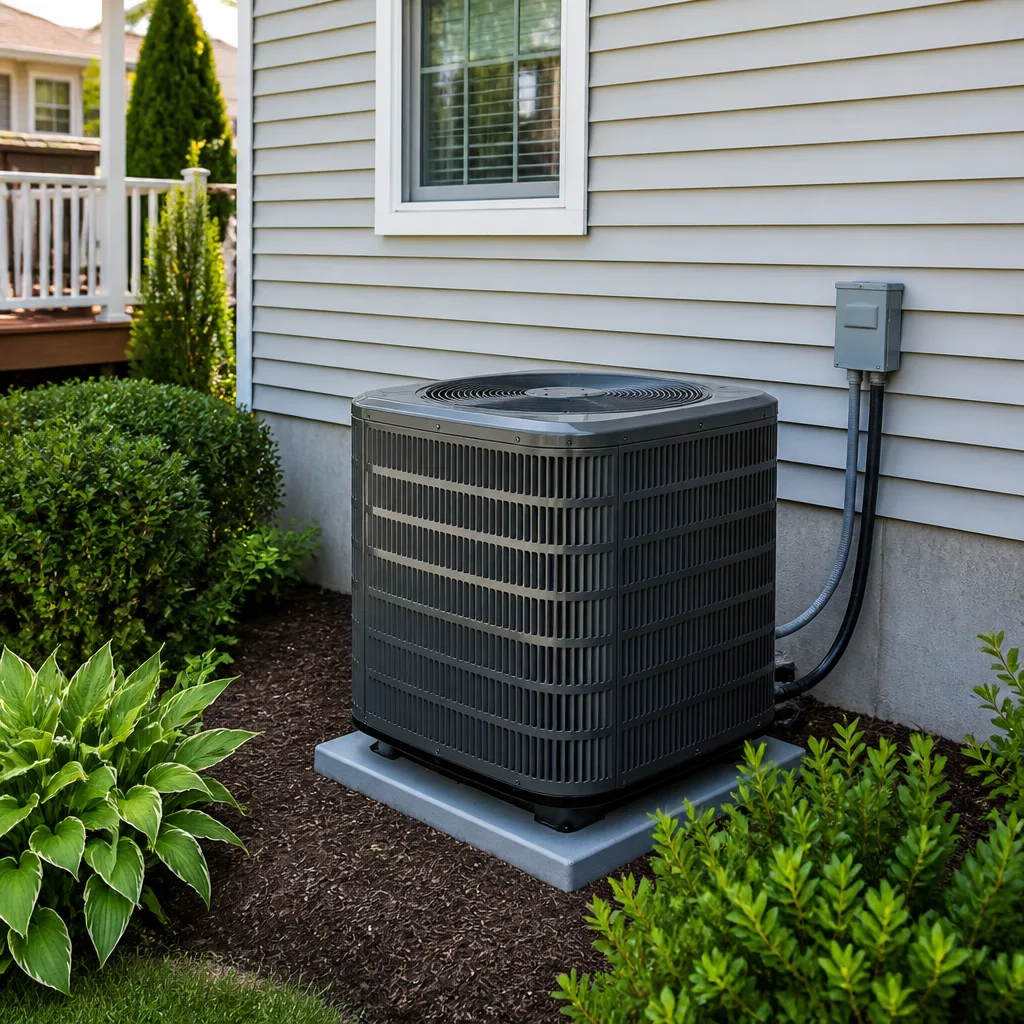 AC repair
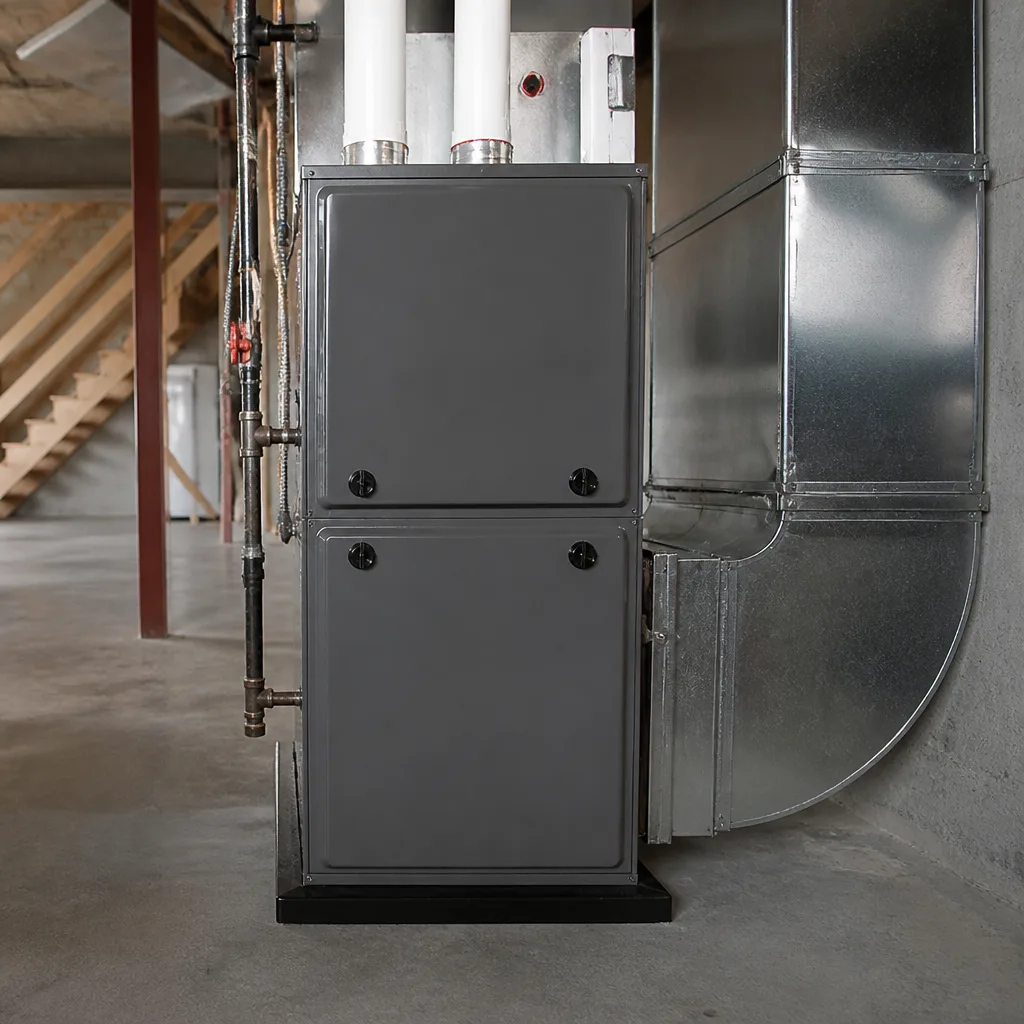 Furnace & heating
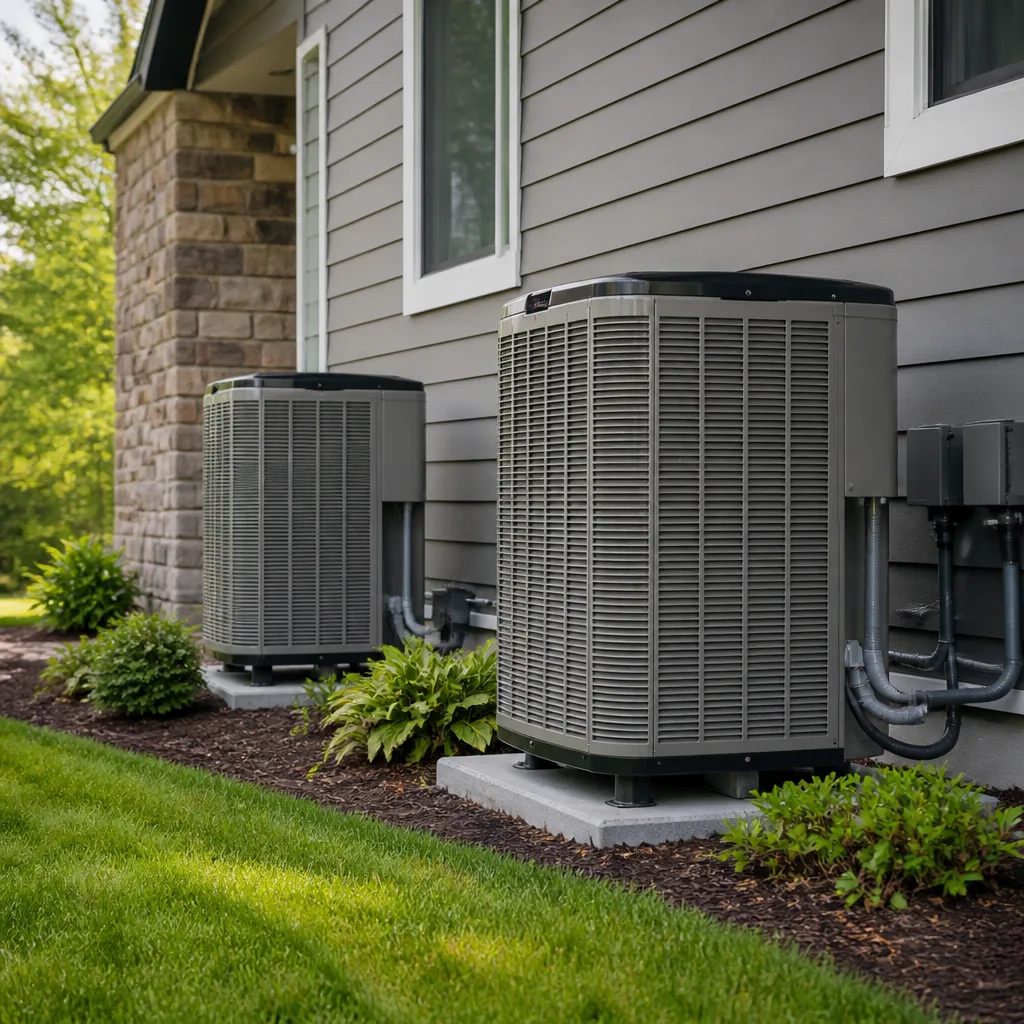 Heat pumps
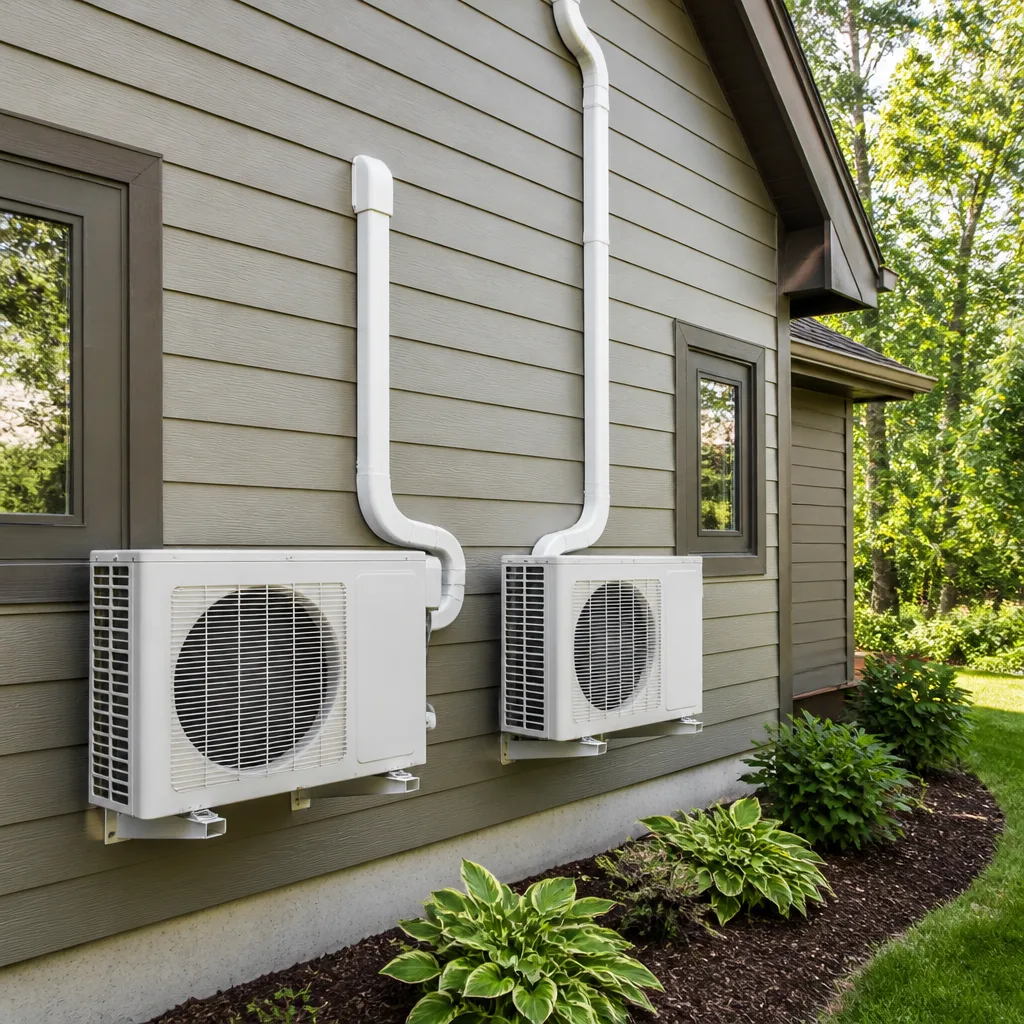 Ductless mini splits
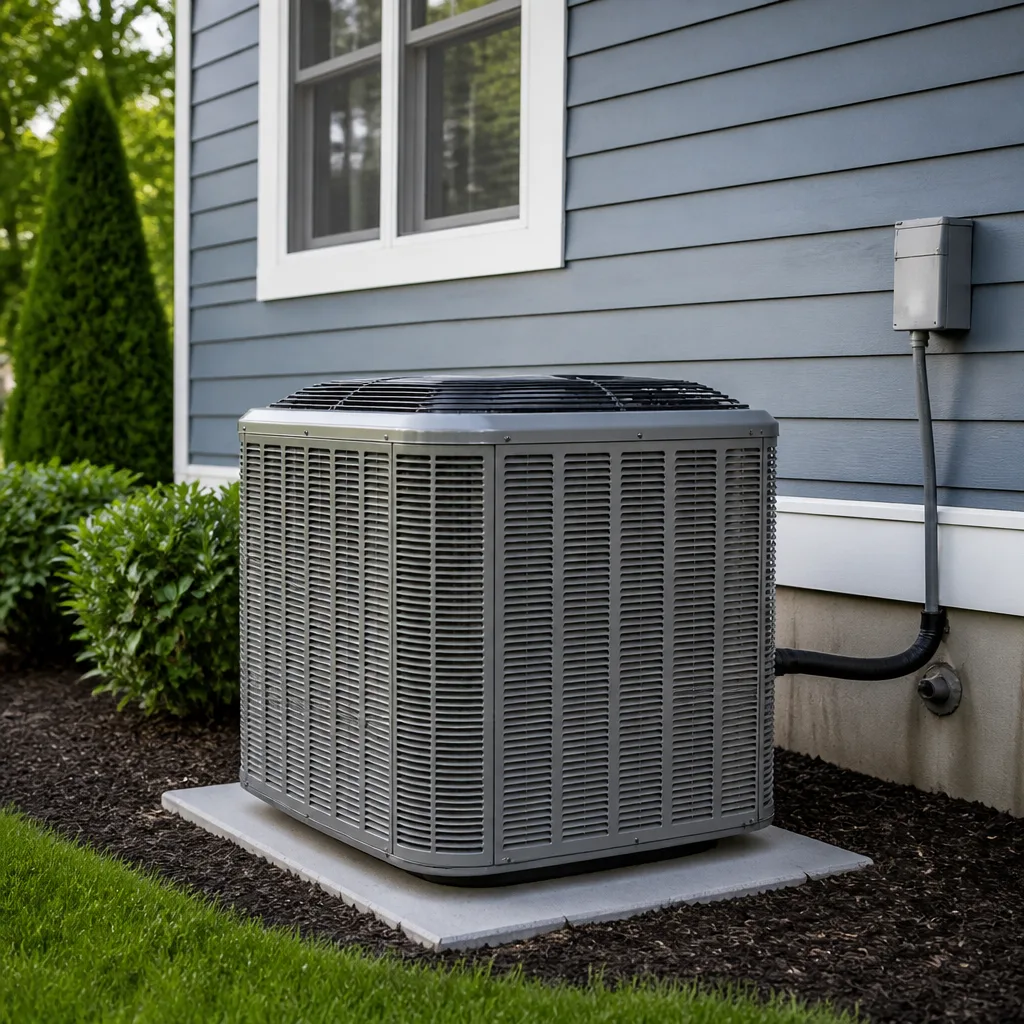 Carrier
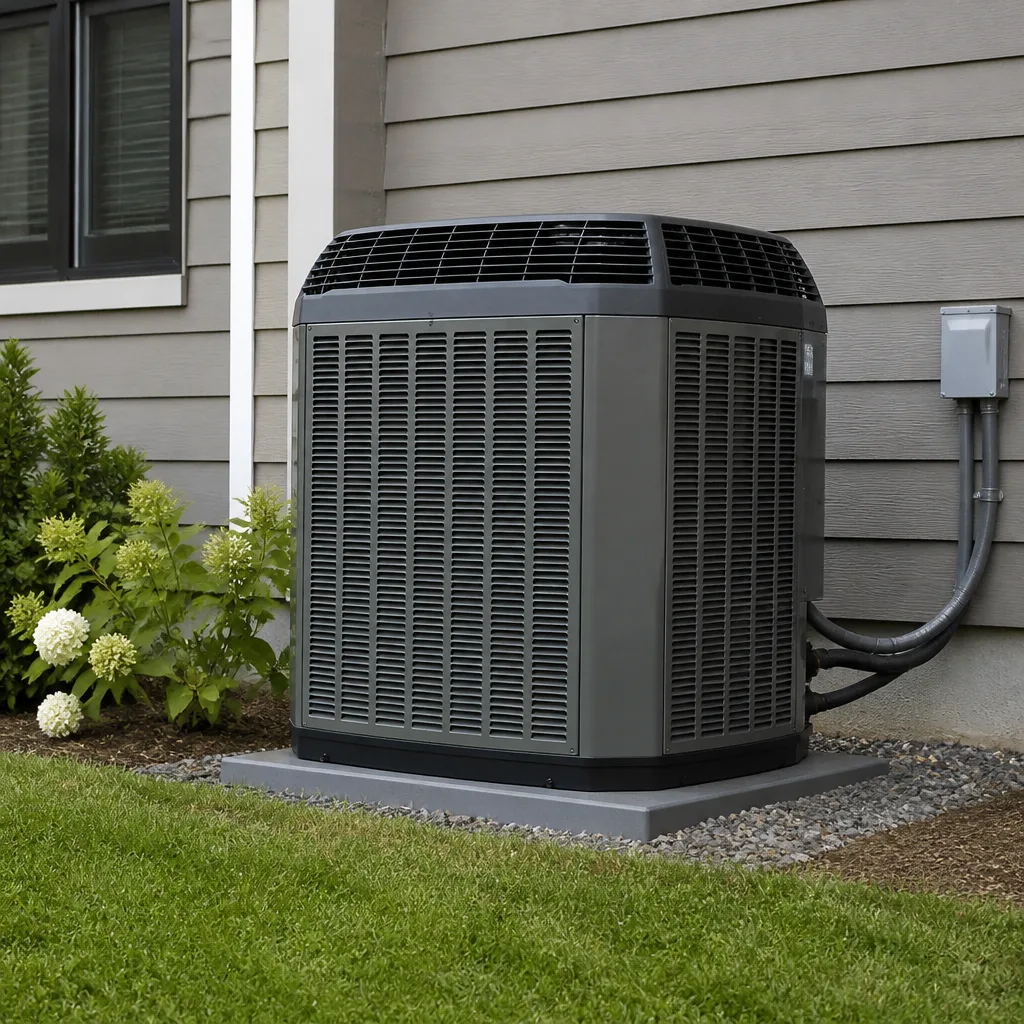 Trane
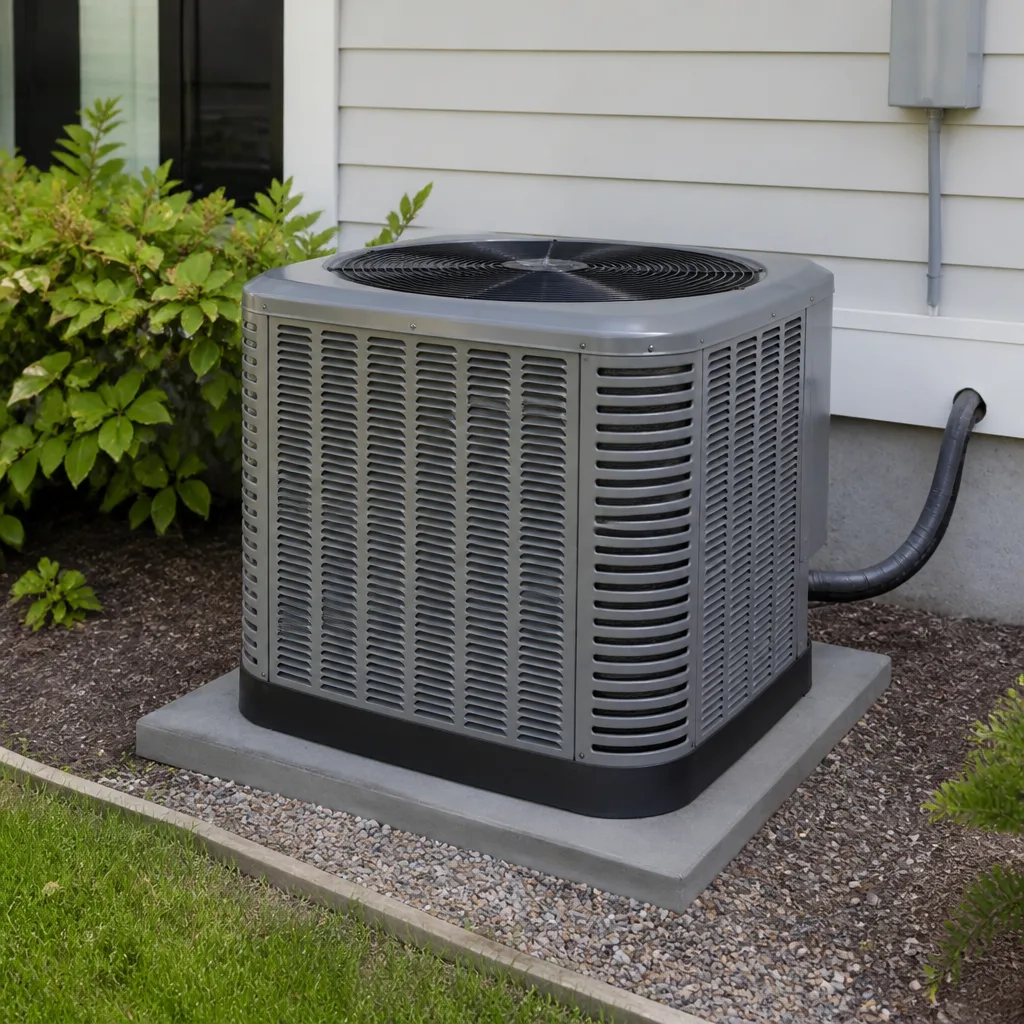 Goodman
Seasonal tune-up and full diagnostic on your Carrier, Trane, or Goodman system - readings shown to you before any repair is proposed
Diagnosis first, numbers second - you approve the repair price before a single part goes in.
Get your free estimateDIY vs Professional HVAC: The Cape Coral Homeowner’s Decision Guide
Replacing your own air filter is smart homeownership. Recharging your own refrigerant is a federal crime, and in Cape Coral the humidity means plenty of homeowners are tempted to try both. Most HVAC advice skips the uncomfortable part: the line between do-it-yourself and call-a-professional has nothing to do with how handy you are. It’s set by federal refrigerant law, manufacturer warranty terms, and what happens when pressurized gas meets a tropical summer. This guide draws that line clearly. You’ll learn which tasks are genuinely safe to handle, which ones carry real legal and warranty consequences, and how to judge when a Saturday project turns into a bigger bill.
Quick Answer
In Cape Coral, you can safely change your own filters, swap a thermostat, and flush a condensate line. Anything touching refrigerant, the electrical disconnect, or gas-fired heating equipment requires a licensed technician, both because federal law governs refrigerant handling and because unlicensed work can void your equipment warranty. DIY saves real money on the small tasks and reliably creates larger repair bills on the big ones. Our technicians have up to experience watching that pattern repeat, and it rarely breaks.
Styles & brands we work with
- AC repair
- Furnace & heating
- Heat pumps
- Ductless mini splits
- Carrier
- Trane
- Goodman
Table of Contents
- Where the Real Line Falls
- Tasks That Are Genuinely DIY-Safe in Cape Coral
- Tasks That Look Simple but Aren’t
- How Florida Licensing Law Applies to Homeowners
- Why Cape Coral’s Humidity Changes the DIY Calculus
- The Honest Cost Comparison
- Common Mistakes to Avoid
- When to Call a Professional
Where the Real Line Falls
People frame this debate as skill against cost. The better question is what happens if the work goes wrong. A filter installed backward costs you airflow and comfort. A refrigerant line opened by someone without certification costs you a federal violation and a system full of air and moisture. Those are different categories of risk, and they deserve different answers.
Three separate systems set the boundaries here:
- Federal refrigerant law. Refrigerants like R-410A are controlled substances under federal rules. Only certified technicians may handle, recover, or charge them. Buying a can of refrigerant and topping off your own system isn’t a shortcut, it’s a violation, and it vents gas into the atmosphere.
- Warranty terms. Most manufacturers, including Goodman, Rheem, and Lennox, condition their parts warranty on installation and repairs being performed by licensed professionals. Open the refrigerant circuit yourself and you may have bought the replacement parts out of your own pocket.
- Local code and permit requirements. Replacing a condenser or air handler generally requires a permit in Cape Coral. Swapping a thermostat usually doesn’t. Your city’s building department can tell you which category your project falls into, and it’s worth the phone call before you start.
Once you see the line as liability rather than difficulty, the decisions get easier. Filter changes, thermostat swaps, and condensate flushing sit clearly on the homeowner side. Refrigerant work, electrical disconnects, and anything involving combustion sit clearly on the professional side. The gray zone in between is where a phone call to Linden AC Repair saves the most money.
Tasks That Are Genuinely DIY-Safe in Cape Coral
Some maintenance is designed for homeowners, and doing it yourself protects your system without touching anything regulated. These jobs don’t involve refrigerant, high voltage, or combustion, and none of them affect your warranty or code compliance.
- Change the air filter. This is the single highest-value DIY task in Cape Coral. A clogged filter strains the blower and cuts airflow through a system that already runs hard in summer heat. Check it monthly during cooling season and replace it when it’s visibly gray. Keep a spare on hand so it never slips your mind.
- Swap the thermostat. Replacing a thermostat with a compatible model is a low-voltage job most homeowners can manage. Turn the air handler off at the breaker first, photograph the wiring before you disconnect anything, and match the new unit to your system type. If your system uses a heat pump, confirm the thermostat supports it before buying.
- Flush the condensate line. Your AC pulls gallons of water out of Cape Coral’s humid air every day, and that water exits through a small drain line. A mix of water and a little white vinegar poured through the access port clears the algae that grows in it. This is the best defense against a water overflow that can damage ceilings and drywall.
- Keep the outdoor unit clear. Trim vegetation back from the condenser, rinse the coil gently with a garden hose when the power is off, and clear debris after a storm. Airflow around that unit matters more in a hot climate than most people realize.
- Check and clean the drain pan. Standing water in the pan means a slow drain or a developing problem. Empty it, clean it, and note whether it refills quickly. That observation is useful information for a technician.
Everything on that list is safe, legal, and worth doing. We’d rather you spend twenty minutes on a filter than pay for a service call to have one swapped.
Tasks That Look Simple but Aren’t
Some jobs look like the ones above. They aren’t. Each of these carries a legal, warranty, or safety consequence that far outweighs the money saved.
- Adding or recharging refrigerant. Refrigerant is a pressurized, federally regulated substance. Handling it without certification is illegal, and it’s also dangerous: liquid refrigerant causes frostbite, and a system charged by guesswork runs at the wrong pressure and can destroy the compressor. A low refrigerant charge almost always means a leak. Adding gas without finding the leak just delays a bigger bill.
- Working inside the electrical disconnect. The disconnect box lets a technician cut power to the outdoor unit safely. Replacing it or working inside it means line voltage, and a mistake here is a shock hazard. This is licensed electrical work that happens to live inside your HVAC system, and our trade covers it.
- Opening the refrigerant circuit. Any repair that breaks the sealed loop, from a compressor swap to a coil replacement, requires recovery equipment, vacuum pumps, and certification. Moisture entering an open system in Cape Coral’s humidity is nearly guaranteed, and it turns into acid inside the system.
- Servicing gas-fired heating equipment. Even in a mild climate, some Cape Coral homes have gas heat. Anything involving the gas valve, burner, or flue is a combustion safety issue. Carbon monoxide is invisible, and this work belongs to a trained professional.
- Replacing a capacitor or contactor. These cheap parts fail often, and the internet is full of videos showing replacements. The parts are cheap, but the stored charge in a capacitor can bite hard, and a miswired replacement can take out the compressor.
Notice what these have in common: pressure, voltage, and combustion. Those three forces don’t forgive mistakes, and none of them care how confident you felt watching a video.
How Florida Licensing Law Applies to Homeowners
Florida’s contractor licensing rules treat homeowners and unlicensed handymen very differently, and that distinction matters more than most people expect. A homeowner may generally perform work on their own property without holding a contractor license. Hire an unlicensed person to do the same work, and the legal footing changes entirely.
Here’s how the practical picture breaks down in Cape Coral:
- You, on your own home. You can legally do many repairs yourself without a license. The catch is that doing so generally shifts all liability onto you, including warranty consequences and any code compliance issues a future inspection might raise.
- An unlicensed handyman. Hiring someone without a license to perform regulated HVAC work exposes you to risk that doesn’t disappear when they leave. Permits pulled under someone else’s license, work that fails inspection, and warranty claims denied because the installer wasn’t licensed all land on the homeowner.
- A licensed HVAC contractor. A licensed contractor can pull the permit, perform the work to code, and stand behind it. That’s the arrangement manufacturers expect when they honor a warranty.
Permit requirements vary by scope, and the rules that apply to a full system replacement are different from those for a thermostat swap. If you’re unsure where your project lands, ask Cape Coral’s building department directly. It’s a short call that prevents an expensive surprise at resale.
The pattern we see is consistent: homeowners who understand the licensing line tend to make better repair-or-replace decisions, because they’re comparing real options rather than chasing the cheapest quote. That’s the thinking behind a repair-first approach, and it’s why we work on whatever brand you have rather than steering you toward one manufacturer.
Why Cape Coral’s Humidity Changes the DIY Calculus
The same duct-sealing project that works fine in a dry climate can fail in Cape Coral, and humidity is the reason. Our air holds tremendous moisture through most of the year, and your ductwork and air handler sit inside that moisture all day. When a seal is imperfect, the consequences aren’t just lost efficiency.
Consider what a poorly sealed duct does here. Cool air escapes into a hot attic, and the temperature difference causes condensation on surfaces that were never meant to be wet. That moisture feeds mold growth inside ductwork and on nearby framing. A homeowner who tapes a joint with the wrong product often creates a slow damp problem that costs far more to fix than the sealing job would have cost to do right.
Other humidity-driven factors to weigh:
- Mastic versus tape. The right duct sealant is a mastic or a rated foil tape applied to a clean surface. Household tape peels in heat and humidity, and the gap returns within a season.
- Condensate management. More moisture in the air means more condensate, which means the drain line clogs faster. Flushing it is simple. Ignoring it isn’t.
- Drain pan and float switch. A float switch that shuts the system off when the pan fills is cheap protection. If yours is missing or bypassed, that’s a job for a technician.
- Duct location. Ducts in a hot attic are exposed to temperature swings that make every leak worse. A professional can test whether your ducts are losing air before you spend a weekend trying to fix them by feel.
None of this means you shouldn’t touch your ducts. It means the tolerance for error is lower here than in a dry climate, and a sealing job that doesn’t hold creates a mold condition rather than just an efficiency loss.
The Honest Cost Comparison
DIY saves real money on the small stuff and reliably costs more on the big stuff. That’s the short version. Here’s the longer one, broken down by task, because the math isn’t the same for every job.
For the homeowner-safe tasks, doing it yourself is straightforwardly cheaper:
- Filter changes. A few dollars per filter, done monthly in cooling season. No professional can beat that value.
- Condensate line flush. A cup of vinegar and five minutes. This one prevents water damage, and it’s worth doing on a regular rhythm.
- Thermostat swap. The cost of the unit. If you’re upgrading to a programmable model, the savings on energy use can be meaningful over time.
- Coil rinsing and vegetation clearing. Free, and it protects the outdoor unit from the strain of restricted airflow.
For the licensed-only tasks, DIY costs more than it saves:
- Refrigerant work. The equipment and certification required make this impossible to do legally as a homeowner. Attempting it risks a vented charge, a damaged compressor, and a violated federal rule.
- Duct sealing. A failed DIY seal in Cape Coral’s humidity can lead to mold remediation, which is a far larger expense than the sealing job. Professional testing and sealing avoids that outcome.
- Electrical work. A miswired disconnect or capacitor can take out the compressor, which is the most expensive single component in the system.
- Gas heat service. The safety stakes here aren’t measured in dollars at all.
The pattern holds whether your system is a Goodman, a Rheem, or a York: the cheap tasks stay cheap when you do them, and the expensive tasks get more expensive when you don’t. If you’re weighing a repair against a replacement, an honest assessment up front usually saves more than any DIY project. When you’re ready for that conversation, we offer a written, fixed price for AC installation so you know the number before anything is ordered.
Common Mistakes to Avoid
We’ve seen these mistakes enough times to recognize them before the homeowner finishes describing the problem.
- Adding refrigerant without finding the leak. A low charge is a symptom, not the disease. Topping off the system without locating the leak means the gas escapes again, and the compressor runs under stress in the meantime.
- Using household tape on ducts. It peels in Cape Coral’s heat and humidity within a season, and the resulting condensation can feed mold growth inside the ductwork. Rated mastic or foil tape on a clean surface is the only approach that holds.
- Bypassing a float switch. When the switch trips because the drain pan is filling, some homeowners disconnect it to keep the AC running. That trades a shutdown for water damage to ceilings and walls.
- Hiring an unlicensed handyman for HVAC work. The savings evaporate when a warranty claim is denied or an inspection fails. Ask for a license before anyone touches your system.
- Swapping a thermostat without checking compatibility. A standard thermostat on a heat pump system, or a model that doesn’t support your wiring, can cause short cycling and comfort problems that look like a bigger failure.
- Ignoring the filter because the system “still runs.” A clogged filter cuts airflow quietly until the blower or compressor pays the price. Monthly checks during cooling season are cheap insurance.
- Attempting a coil cleaning with the power on. Rinsing an outdoor coil while the unit is live risks a shock and can damage the fan motor. Cut the power at the disconnect first, or leave it to a technician.
For repairs that fall on the professional side, our furnace repair service covers gas heating issues that shouldn’t be a homeowner project, and our team can work with your insurer on damage-related claims.
When to Call a Professional
Call a professional the moment refrigerant, line voltage, or combustion enters the picture. That includes a system that’s low on charge, a disconnect that needs replacing, a capacitor that’s failed, any gas heat issue, and any repair that opens the sealed refrigerant circuit. Those aren’t judgment calls; they’re regulated work. Call us when the system isn’t cooling, when water is pooling around the air handler, when a breaker trips repeatedly, or when you’re unsure whether a task crosses the line. That last one is worth a phone call on its own, because guessing wrong is expensive. We diagnose across the major brands, including Lennox and Rheem, so we can work on whatever system is already in your home. Linden AC Repair offers free estimates in Cape Coral. Call (855) 595-4793. We answer 24/7. Fast dispatch from 7am to 7pm, Sunday through Friday.
See the difference
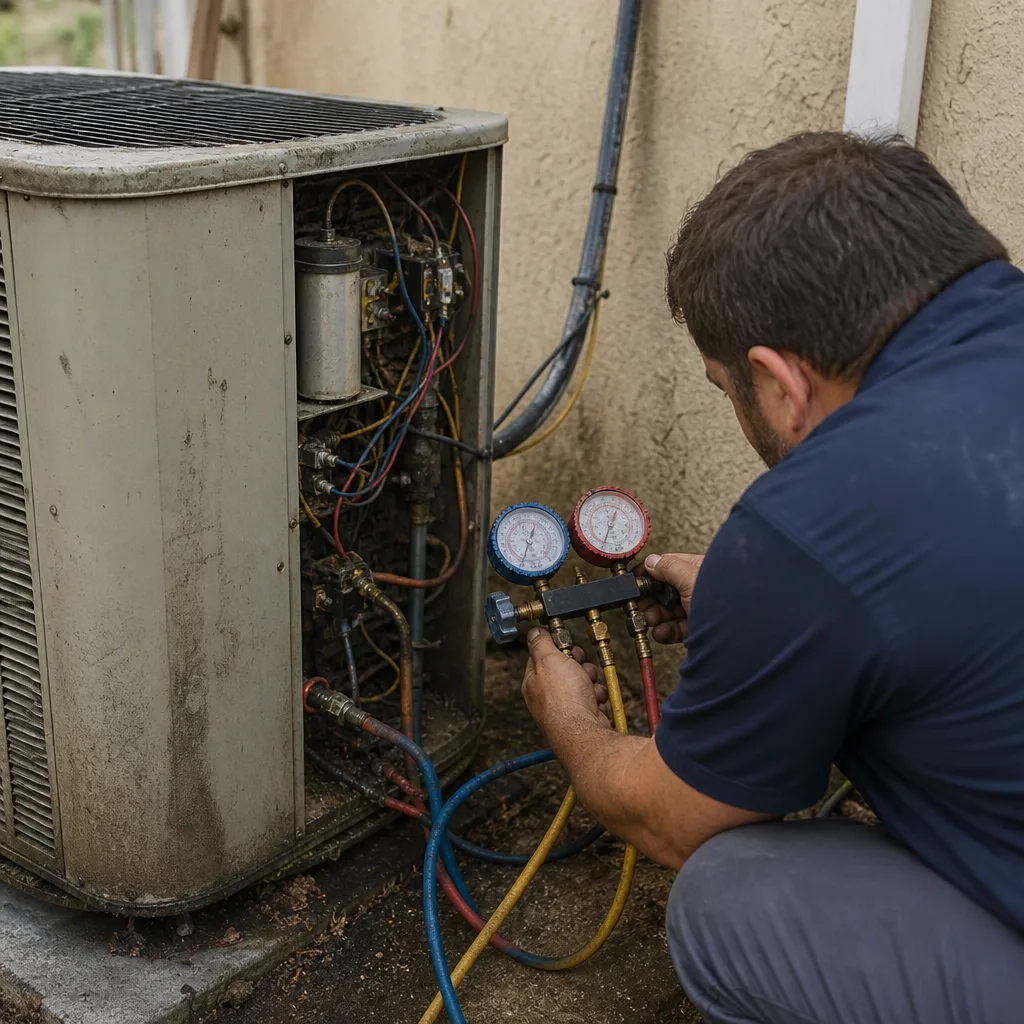 Before
 After
 Before
 After
 Before
 After
Frequently Asked Questions
No. Refrigerant is a federally regulated substance, and only certified technicians may handle, recover, or charge it. Beyond the legal issue, a system low on refrigerant has a leak that needs locating, and adding gas without repair just delays a larger failure. Call (855) 595-4793 if your system is running low; estimates are free.
Usually not, as long as the thermostat is compatible and installed correctly. Low-voltage thermostat swaps are typically treated as homeowner maintenance. The risk rises when a miswired or incompatible unit causes damage to the control board. If you’re unsure about compatibility, especially on a heat pump system, ask before you buy.
Humidity. Cool air escaping through a bad seal condenses on nearby surfaces, and in Cape Coral’s moist air that condensation feeds mold growth inside ductwork. Household tape peels in the heat within a season, so the gap returns and the damp problem stays. Rated mastic applied to a clean surface, or a professional sealing job, is what holds.
You can hire anyone, but the risk lands on you. Unlicensed work can void manufacturer warranties, fail inspection, and create code compliance problems at resale. Florida treats licensed contracting differently for good reason. Ask for proof of licensure before any HVAC work begins.
Yes, with the power off. Cut power at the disconnect, rinse the coil gently with a garden hose, and clear vegetation from around the unit. Don’t use a pressure washer, which bends the fins, and never reach into the unit while it’s live. If the coil is packed with debris or the fins are damaged, have a technician look at it.
Filters, thermostat swaps, condensate flushes, coil rinsing, and drain pan checks. Those tasks save real money, carry no legal exposure, and protect your system between professional visits. Anything involving refrigerant, the electrical disconnect, or gas heat is worth the call. For a full look at what we cover, see our Cape Coral service page.
The Bottom Line
The DIY-versus-professional question isn’t about confidence. It’s about pressure, voltage, combustion, and the legal rules that surround them. Handle your filters, your thermostat, and your condensate line yourself. Those tasks save money and protect the system. Leave refrigerant, electrical disconnects, and gas heat to a licensed technician, because the consequences of a mistake there are legal and financial rather than merely inconvenient. Cape Coral’s humidity raises the stakes on duct work in particular, where a failed seal feeds mold rather than just wasting energy. Get the small stuff right, know where the line is, and call when a job crosses it.
When you need a professional assessment, we’re one call away. Linden AC Repair offers free estimates in Cape Coral. Call (855) 595-4793. We answer 24/7. Fast dispatch from 7am to 7pm, Sunday through Friday. Our technicians have up to experience, and heating and cooling is all we do.
Written by the team at Linden AC Repair.