
Last updated November 15, 2026
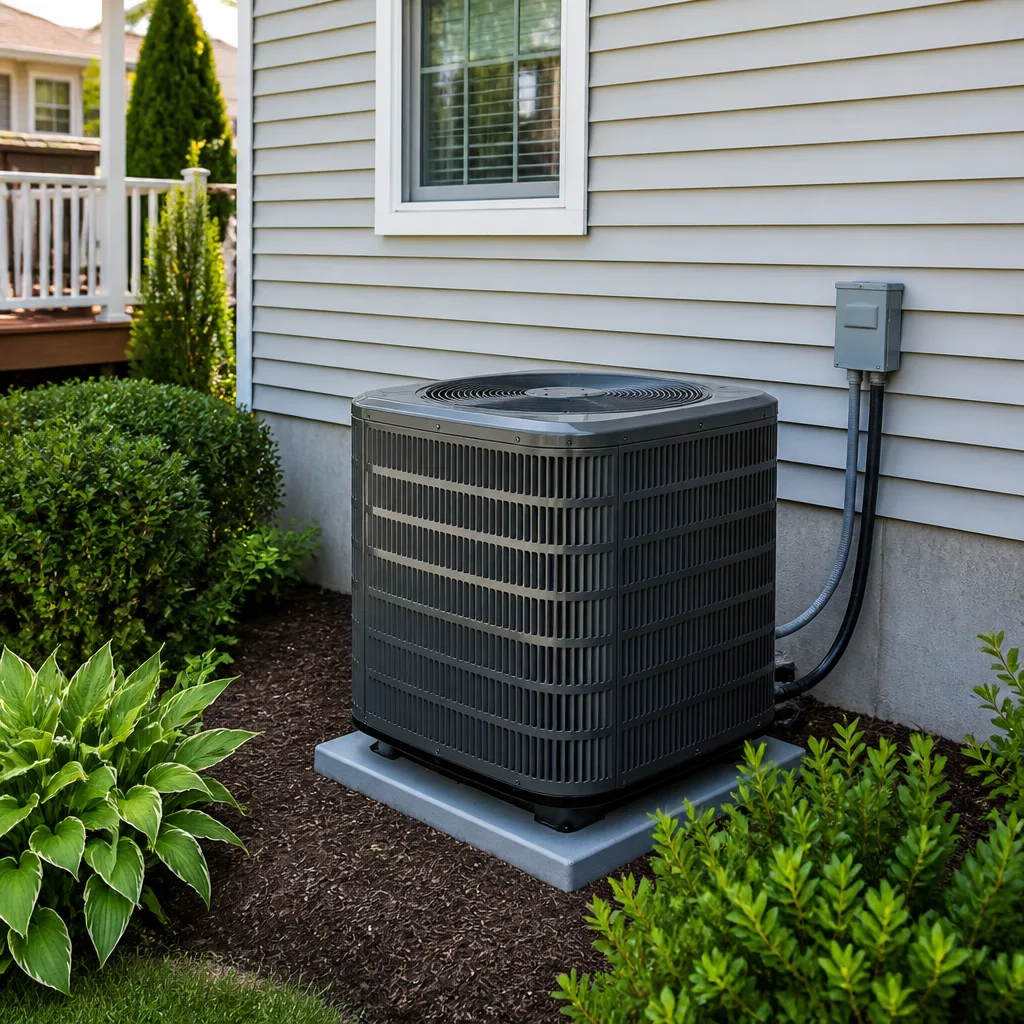 AC repair
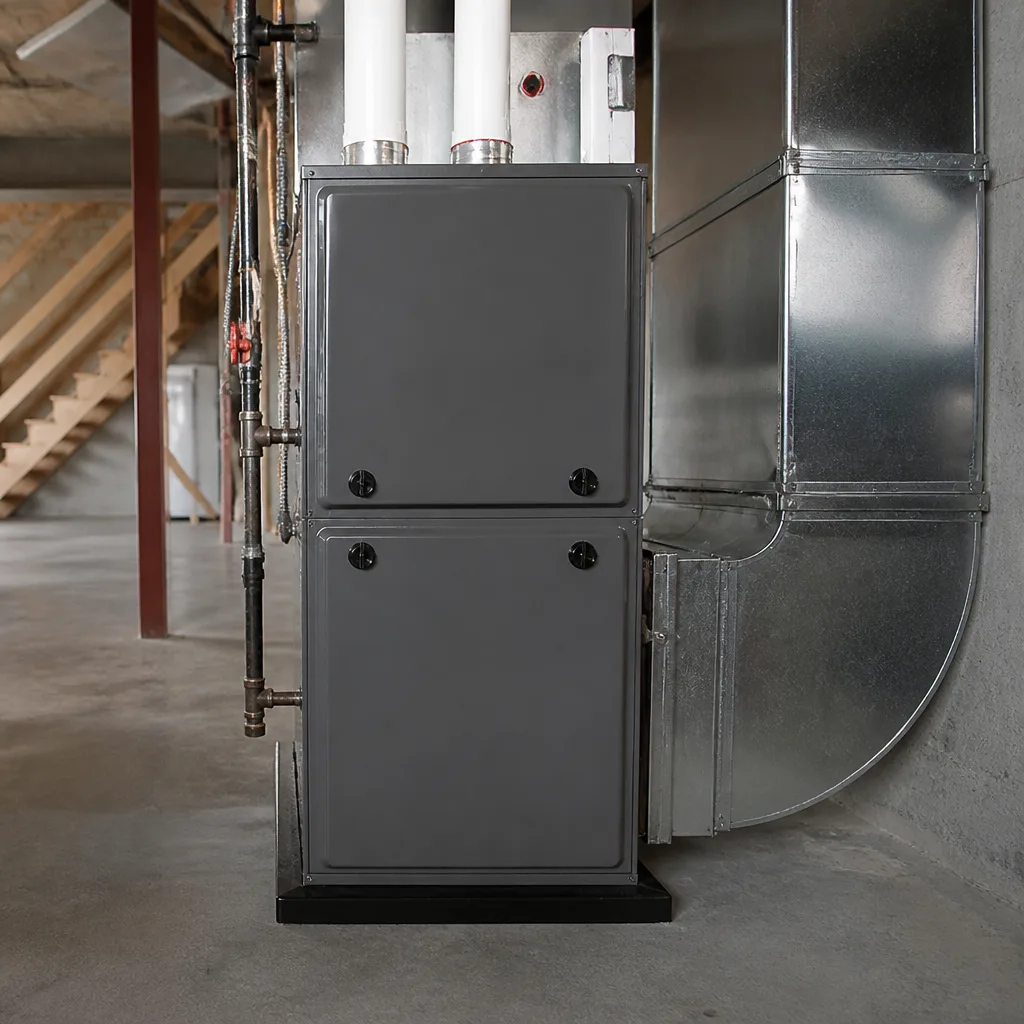 Furnace & heating
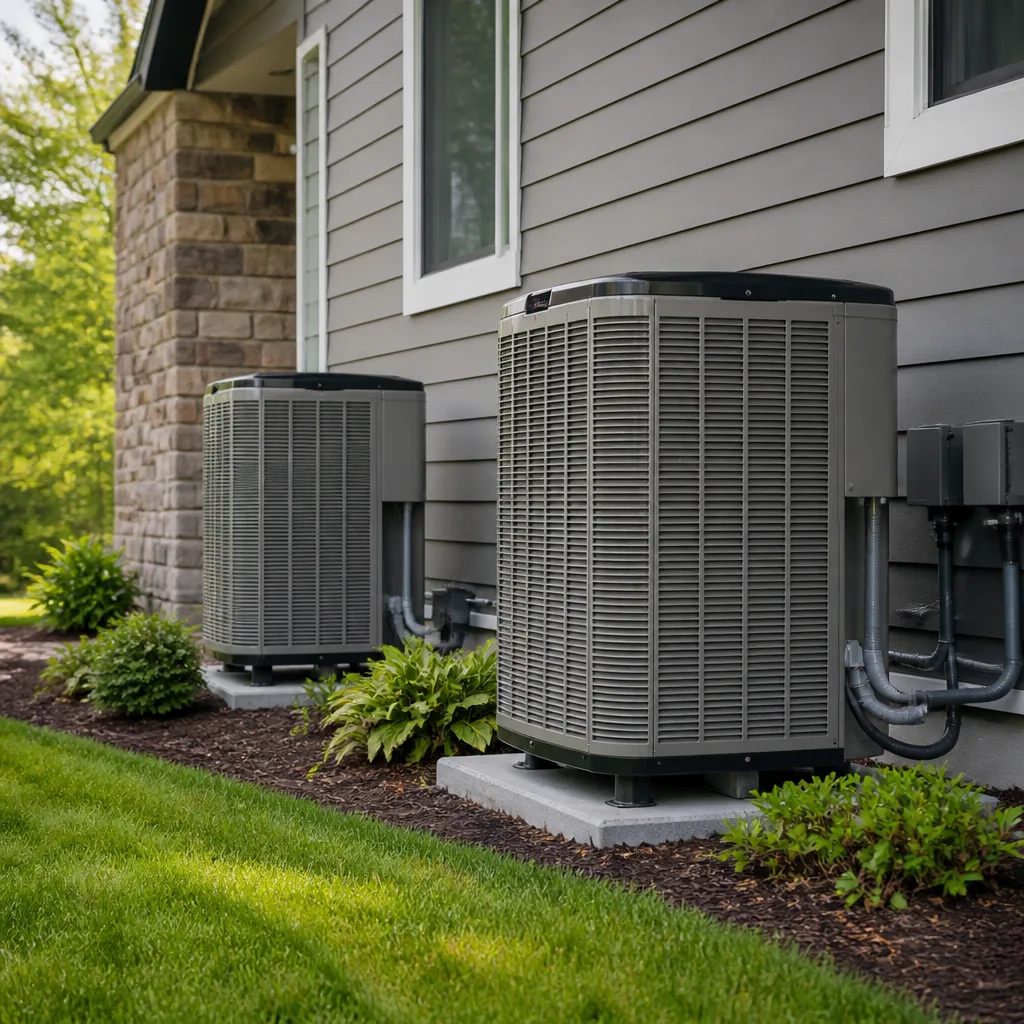 Heat pumps
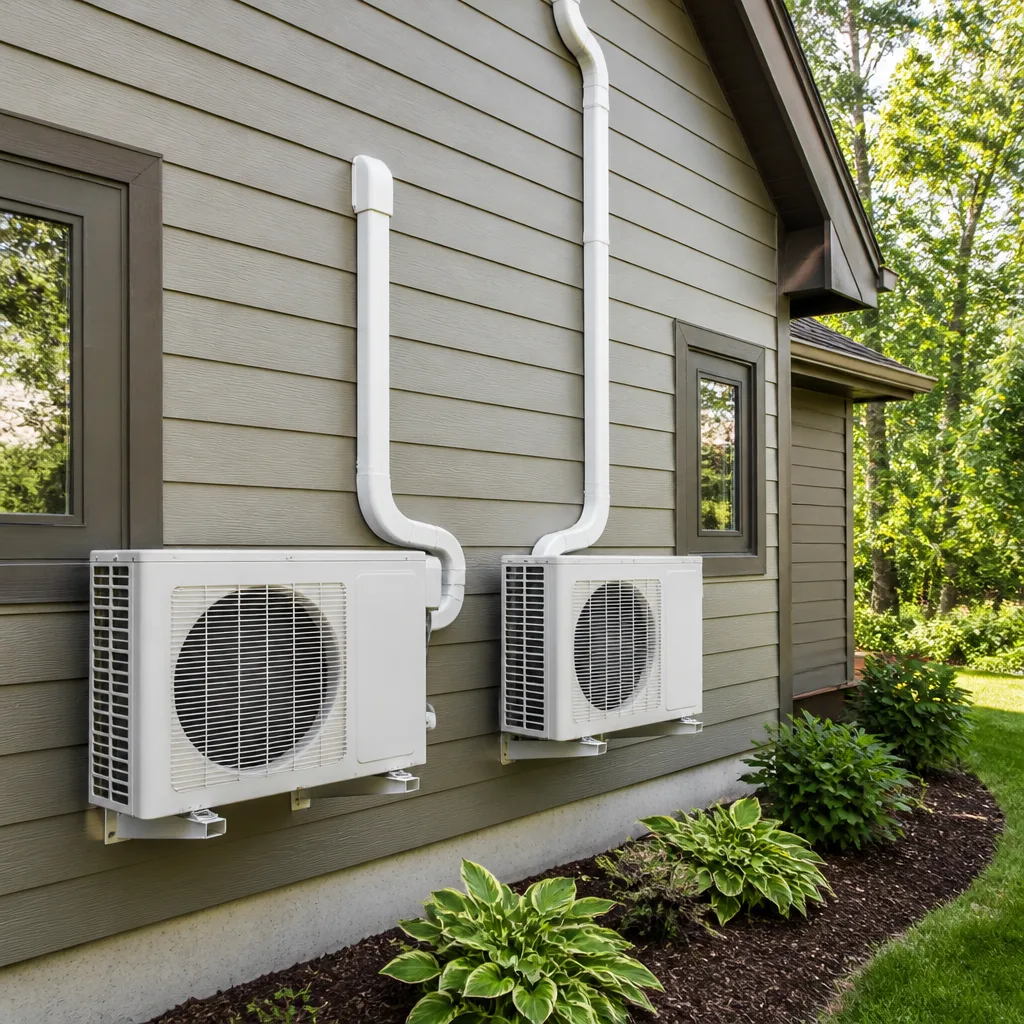 Ductless mini splits
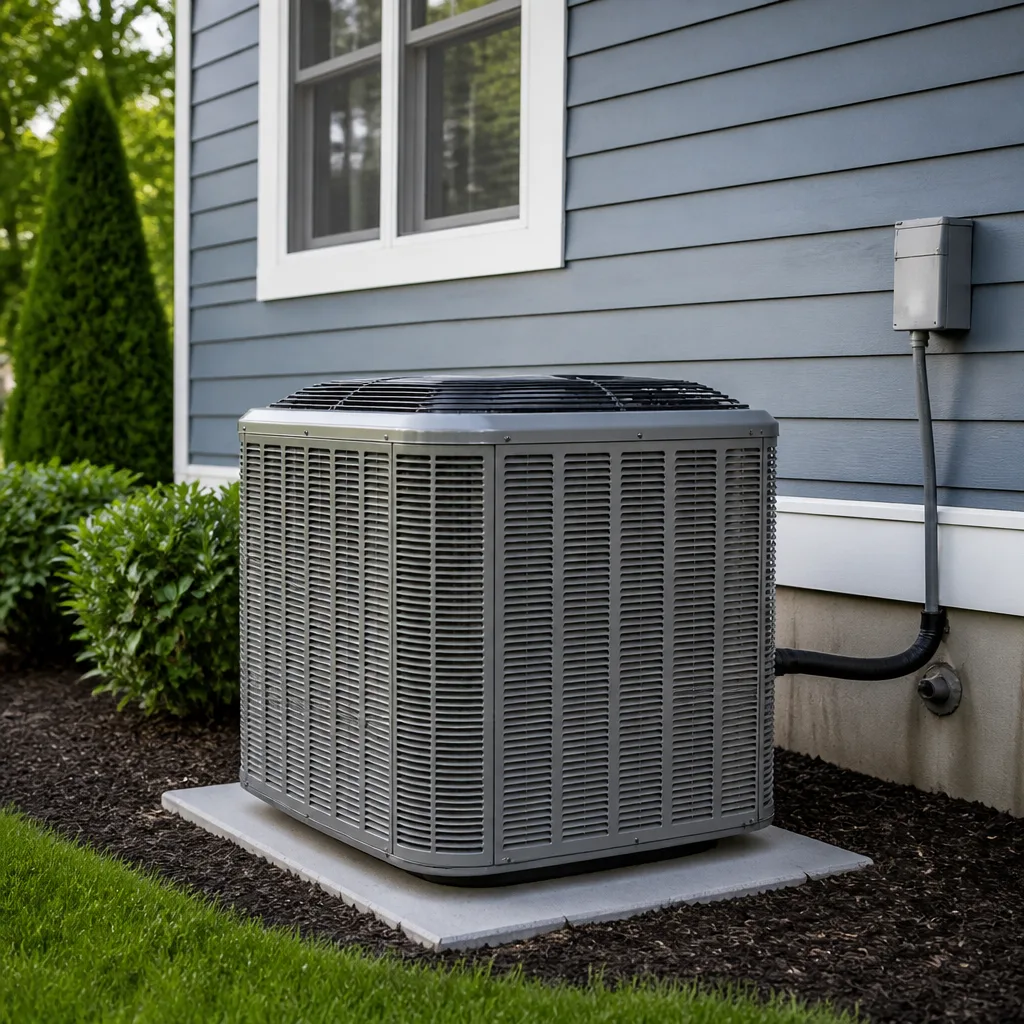 Carrier
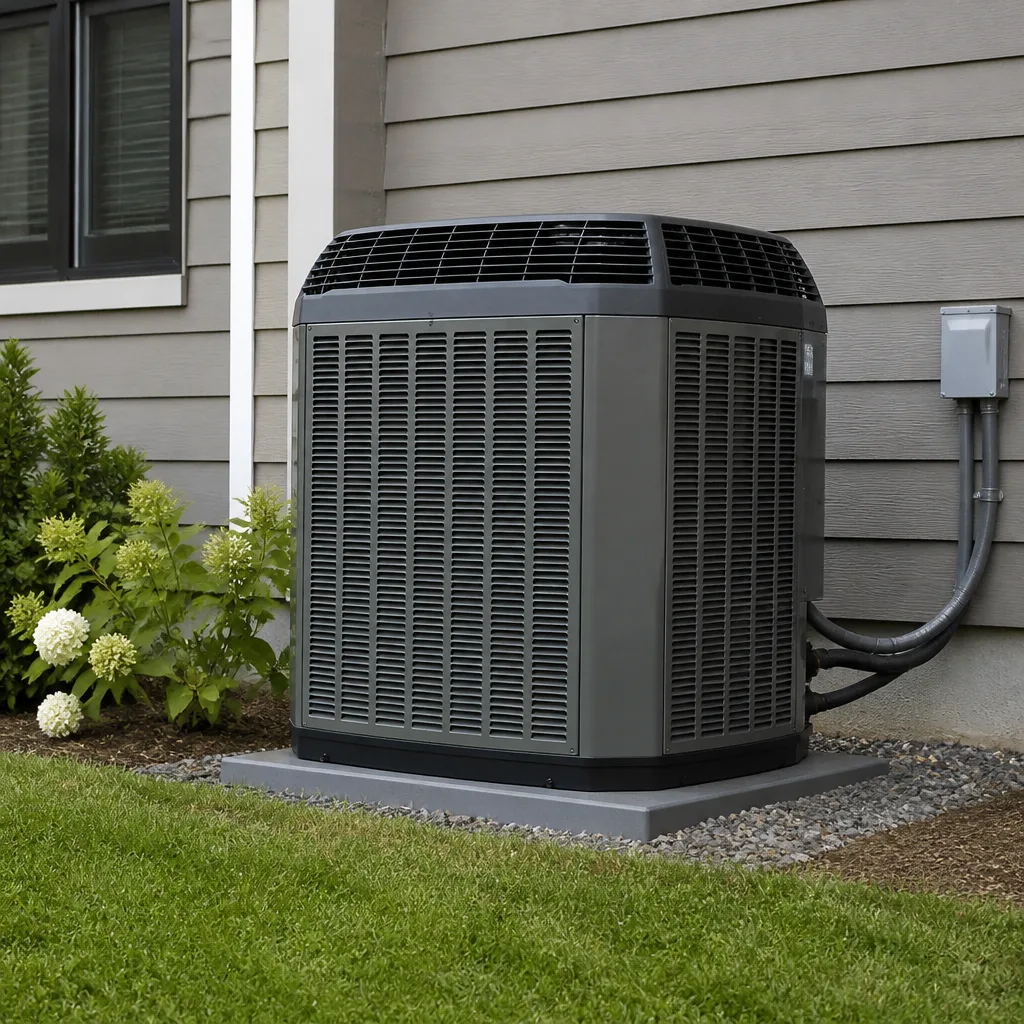 Trane
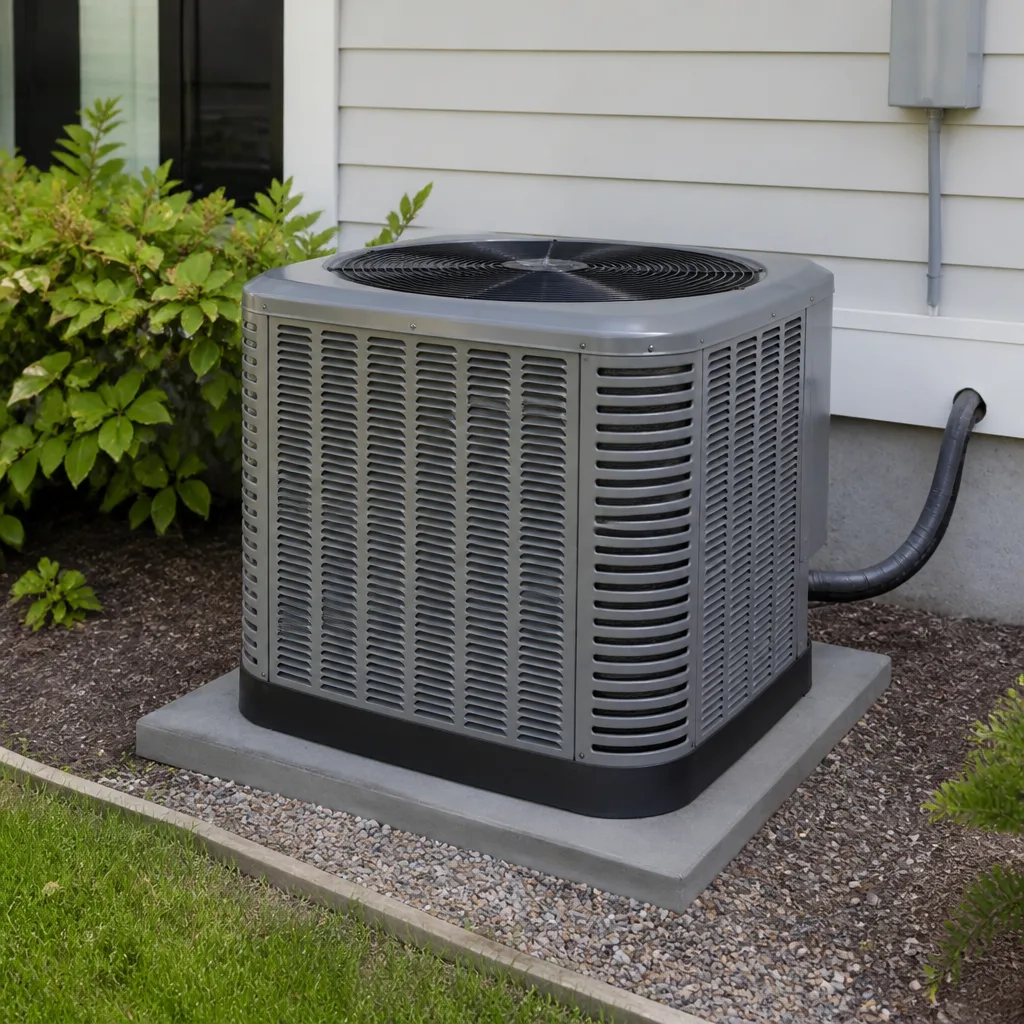 Goodman
Seasonal tune-up and full diagnostic on your Carrier, Trane, or Goodman system - readings shown to you before any repair is proposed
Diagnosis first, numbers second - you approve the repair price before a single part goes in.
Get your free estimateSeasonal HVAC Care for Cape Coral: Year-Round Homeowner’s Guide
Cape Coral doesn’t really have four seasons. It has a long cooling season that runs most of the year and a short, mild stretch in the middle of winter when the air conditioner finally gets a break. Here’s the part most homeowners miss: that mild stretch is the only real window you have to service a system without also giving up comfort in the house. Skip it, and you spend the first hot week of spring fighting for an appointment along with everyone else in Cape Coral who waited. This guide lays out what to do each part of the year so your system is ready before the load hits, not after it fails.
Quick Answer
Seasonal HVAC care in Cape Coral means treating the mild winter months (roughly November through February) as your maintenance window, using March through May to verify the system before temperatures stay above 90, watching performance closely through the peak June-to-September stretch, and testing the heat function in October even though you rarely use it. The goal is to catch small problems in the off-peak months so you’re never scrambling for emergency service in July.
Styles & brands we work with
- AC repair
- Furnace & heating
- Heat pumps
- Ductless mini splits
- Carrier
- Trane
- Goodman
Table of Contents
- Why Cape Coral Has Two Seasons, Not Four
- November to February: The Maintenance Window
- March to May: Pre-Peak Prep Before the Heat Sets In
- June to September: Monitoring Performance Under Full Load
- October: The Heating Transition Nobody Plans For
- Building Your 12-Month Cape Coral HVAC Calendar
- What You Can Do Yourself vs. What Needs a Technician
- Why Brand Knowledge Matters on a Maintenance Visit
Why Cape Coral Has Two Seasons, Not Four
Most maintenance advice you’ll find online was written for a place with a real winter and a real summer. It tells you to “prep for winter” and “prep for summer” as if the two are equal halves of the year. In Cape Coral, they aren’t. The cooling season dominates, and the heating season is a brief, mild interruption that most systems barely notice.
That imbalance changes how you should think about maintenance. In a colder climate, the shoulder seasons are gentle and the extremes are split between hot and cold. In Cape Coral, almost all the wear and strain happens in one direction: the cooling side. The compressor, the condenser coil, the refrigerant circuit, and the blower all run hard for months. The heating function, whether it’s a heat pump or electric heat strips, sits mostly idle.
So the smart approach isn’t a symmetric spring-and-fall checklist. It’s a cooling-focused maintenance rhythm with a dedicated check on the heating side once a year, done during the mild window when the system isn’t under load. Cape Coral homeowners who understand this get more out of a single well-timed visit than out of two generic “seasonal tune-ups” scheduled by a national calendar that doesn’t fit here.
One more thing that shapes the local picture: Cape Coral is a city of relatively young housing stock and a lot of slab-on-grade construction, which means most systems are either in a garage, a closet, or an attic. Where the equipment sits affects how much dust and heat it deals with, and it’s worth knowing your own setup before you plan maintenance around it. If you’re not sure what you have, our team can walk the system at your first visit through Linden AC Repair.
November to February: The Maintenance Window
This is the stretch to circle on your calendar. From November through February, the air conditioner in a Cape Coral home runs far less, and that quiet period is exactly when a technician can open the system up, clean it, test it, and catch problems while the stakes are low. Do the heavy maintenance now and you avoid the spring rush.
Here’s what a thorough mild-season service should cover:
- Coil cleaning. The evaporator coil inside and the condenser coil outside collect dust, pollen, and the fine grit that blows around Southwest Florida. A dirty coil forces the system to work harder for the same cooling. Cleaning both coils restores efficiency before the load returns.
- Refrigerant charge check. A technician measures the charge against the manufacturer’s spec. Low refrigerant means a leak, and a leak found in January is a repair. A leak found in July is an emergency.
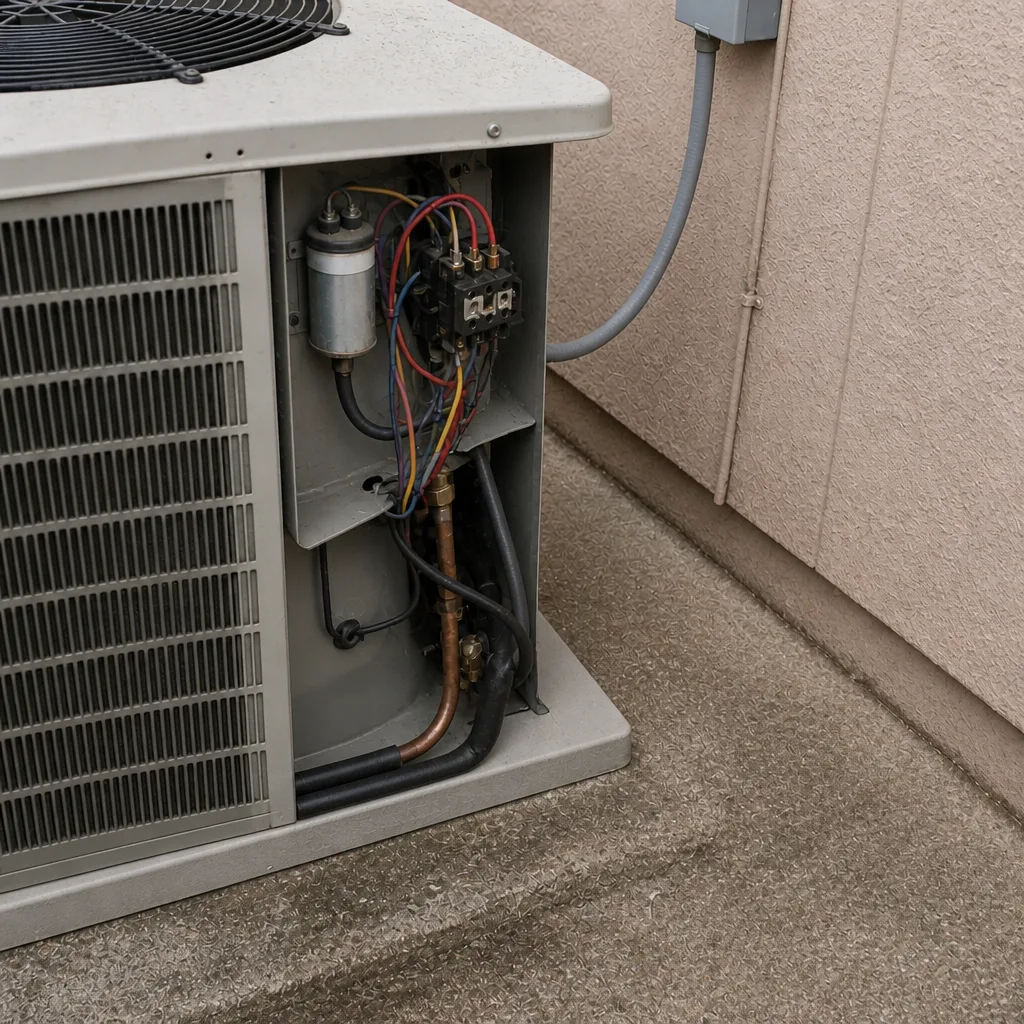
- Electrical inspection. Connections, contactors, capacitors, and the disconnect get checked for wear and heat damage. Loose connections are a common cause of compressor failure, and they’re easy to spot when the system is idle.
- Drain line clearing. In a humid climate, the condensate drain clogs faster than most people expect. A clear drain line prevents the water damage and shutdowns that come from a backed-up pan.
- Blower and filter review. The blower wheel gets checked for buildup, and the technician confirms you’re using the right filter for your system rather than the thickest one on the shelf.
- Heat function test. Even in the mild months, a quick check of the heating side confirms it will work if you need it in January.
Book this visit before the holidays if you can. Cape Coral schedules fill up as the weather cools and everyone remembers their system at once. Getting it done early in the window means a calmer, more thorough appointment.
March to May: Pre-Peak Prep Before the Heat Sets In
By March, the mild window is closing. Temperatures start climbing, and by the time you’re consistently above 90, the system is under real load again. This is the last chance to verify everything before the hard months, and it’s the second most important appointment of the year.
A good pre-peak visit focuses on the things that only show up when the system actually runs hard. A technician should:
- Run the system through a full cooling cycle and measure the temperature split between return and supply air. A weak split signals a problem before you feel it in the house.
- Check the condenser fan motor and capacitor under load, since these are the parts that fail first when the system starts working every day.
- Confirm the thermostat is calibrated and the schedule is set for the season ahead, not still on a winter setting.
- Inspect the outdoor unit’s clearance and shade. In Cape Coral, a condenser boxed in by shrubs or sitting in full afternoon sun struggles more than one with airflow and shade.
- Look at the air handler and ductwork for gaps, sagging, or disconnected runs that dump cool air into the attic instead of the rooms.
This is also the right time to talk about the season ahead honestly. If the system is aging and has needed repairs in back-to-back seasons, spring is a calmer moment to plan a replacement than the middle of a July heat wave. If you’re weighing that decision, our AC installation page covers what a new system involves and how the timing works.
June to September: Monitoring Performance Under Full Load
Once the peak cooling season arrives, maintenance shifts from “do the work” to “watch for changes.” The system is running hard, and your job is to notice the early signals before a small issue becomes a no-cooling call in the middle of a hot afternoon.
Here’s what to track in your own home during the peak months:
- Cooling that takes longer. If rooms that used to cool quickly now take an hour longer, that’s a signal. It could be a dirty filter, a weakening capacitor, or a refrigerant issue starting.
- Higher run times. A system that used to cycle off now runs continuously. Note it and get it checked.
- Unusual sounds. Clicking, rattling, or a compressor that sounds strained are worth a call. Grinding or squealing from the blower is a sign of bearing wear.
- Warmer supply air. If the air coming out of the vents feels only slightly cool rather than cold, the system isn’t keeping up the way it should.
- Ice on the lines or coil. Frost or ice on the refrigerant lines is a clear sign of a problem, and it’s something to stop running the system on and call about.
- Higher electric bills. A jump in usage with no change in habits often traces back to a system working harder than it should.
During the peak, keep the filter clean, keep the outdoor unit clear of debris and plant growth, and don’t cover vents or close off rooms in ways that unbalance the system. If something feels off, call. Getting a technician out early in a problem is far easier than getting one out after a full failure, and our team handles no-cooling and repair calls across Cape Coral with fast dispatch from 7am to 7pm, Sunday through Friday.
October: The Heating Transition Nobody Plans For
October is the odd month in Cape Coral. The cooling load starts easing, and the first mild nights arrive. Some years you’ll barely touch the heat; other years you’ll want it for a week or two. That’s exactly why the heating side deserves a deliberate check even though it sits idle most of the year.
If your system uses electric heat strips, those strips don’t get exercised for months. Dust settles on them, and the first time they come on in the fall, you may notice a burning smell. That’s usually dust burning off, but it’s also a sign the strips and the controls around them haven’t been checked. A technician verifies the strips energize properly, the sequencer and contactor work, and the air handler’s heating mode switches cleanly, rather than the system throwing a code the first cold night you need it.
If you have a heat pump, October is the time to confirm the reversing valve changes over correctly and the defrost cycle works. A heat pump that ran all summer cooling can develop small issues on the heating side that don’t show up until you actually ask it to warm the house. Testing it in October, when you don’t need it, means you find out on your schedule instead of in a cold snap.
This is also the moment to think about whether the heating side is even worth repairing if it fails. For most Cape Coral homes, the heat function matters less than cooling, but it still needs to work when called on. If a repair doesn’t make sense, our furnace repair team can tell you straight whether fixing it or replacing it is the better call. We’d rather fix what’s there than sell you a new system you don’t need.
Building Your 12-Month Cape Coral HVAC Calendar
A calendar built for a national market doesn’t fit Cape Coral. Here’s one that follows the actual climate rhythm, with the tasks grouped by the season they belong in. Print it, put it on the fridge, and set a reminder for each block.
- November to February – the maintenance window. Full system service: coil cleaning, refrigerant charge check, electrical inspection, drain line clearing, blower and filter review, and a heat function test. Book early in the window.
- March to May – pre-peak prep. Full cooling cycle test, temperature split check, condenser fan and capacitor check under load, thermostat calibration, outdoor unit clearance, and ductwork inspection. Decide on any aging-system replacement now rather than in peak season.
- June to September – peak watch. Monthly filter changes during heavy use, outdoor unit kept clear, and a running log of any changes in cooling speed, run time, sounds, supply air temperature, or electric bills. Report anything unusual early.
- October – heating transition. Heat strip or heat pump heating-mode test, sequencer and contactor check, and a call on whether the heating side is worth keeping if it fails.
- Year-round, between the blocks. Keep the filter clean, don’t block vents, keep the outdoor unit free of debris, and note anything that feels different. Small observations make the next technician visit faster and cheaper.
The whole point of a calendar is to move work out of the peak months and into the mild ones. In Cape Coral, that means doing the heavy lifting in winter and the verification in spring, and spending the summer simply paying attention.
What You Can Do Yourself vs. What Needs a Technician
Some HVAC care is safe and worth doing yourself. Some of it isn’t just tricky, it’s genuinely dangerous, and it’s worth being clear about the line.
What you can handle on your own:
- Changing or cleaning the air filter on schedule. This is the single highest-value task you can do yourself, and it’s free.
- Keeping the outdoor condenser unit clear of leaves, grass clippings, and overgrowth, and giving it breathing room.
- Checking and clearing the condensate drain line where it’s accessible, and confirming the drain pan isn’t holding water.
- Keeping supply and return vents open and unobstructed.
- Watching performance and noting changes, which we covered in the peak-months section.
What should go to a trained technician:
- Anything involving refrigerant, which is a regulated substance and not a do-it-yourself material.
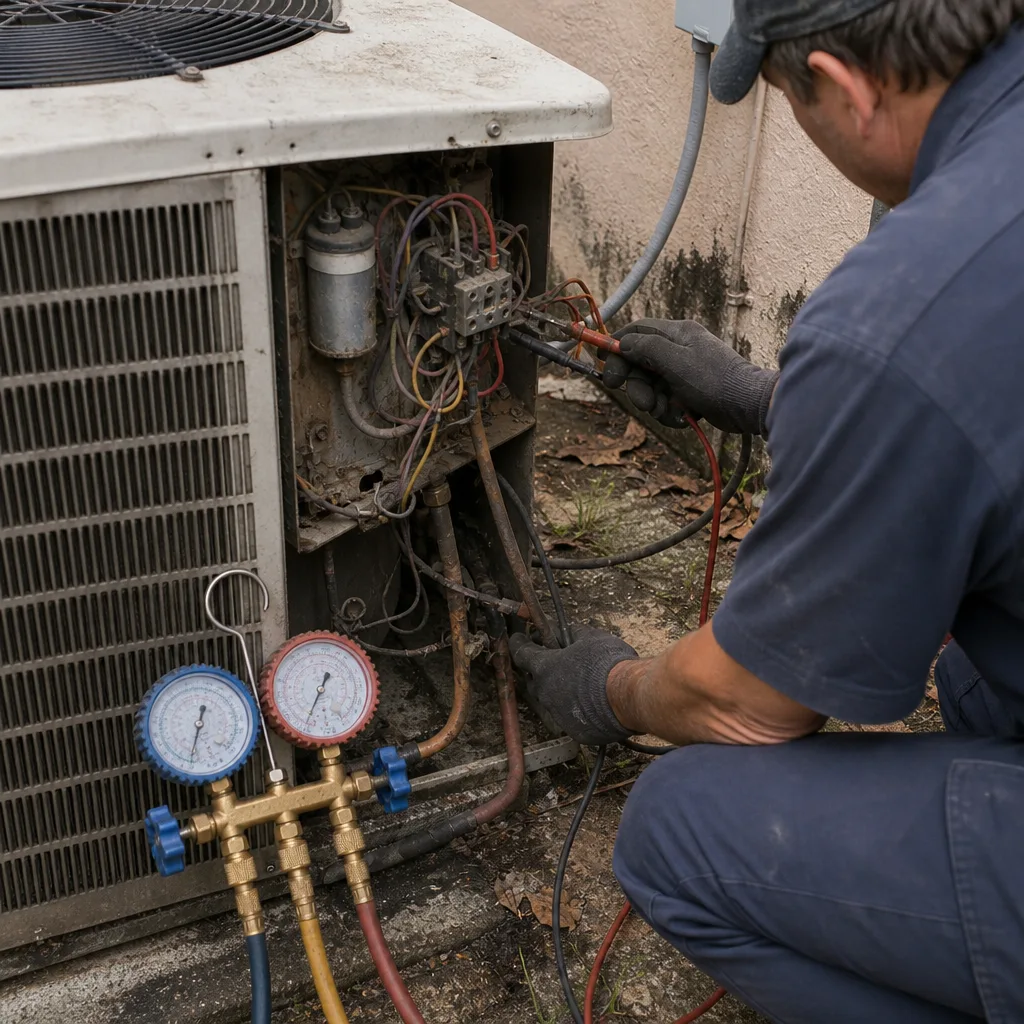
- Opening the electrical panel or the air handler to test connections, capacitors, contactors, or the disconnect. Electrical work at these voltages can cause serious injury or death, and it needs someone trained and equipped for it.
- Testing or servicing electric heat strips, which carry high current and are a real shock and fire hazard if handled wrong.
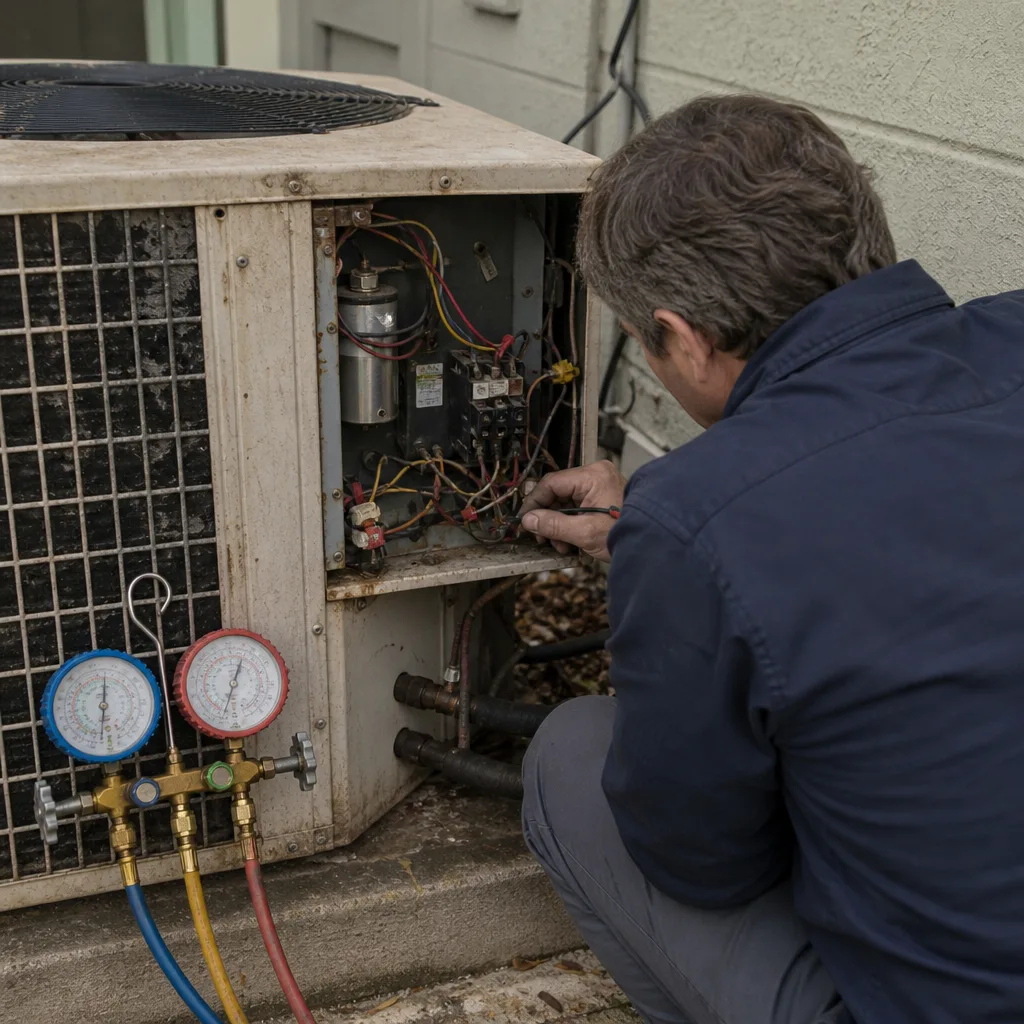
- Diagnosing compressor or refrigerant circuit problems, which require gauges, meters, and the experience to read them.
We’d rather you call than attempt the second list. A technician with real training can do in an hour what would take a homeowner a weekend and put them at risk. If you’re not sure which list a task belongs on, ask us before you start. Call (855) 595-4793. We answer 24/7. Fast dispatch from 7am to 7pm, Sunday through Friday.
Why Brand Knowledge Matters on a Maintenance Visit
A maintenance visit is only as good as the technician’s familiarity with the equipment in front of them. Every major manufacturer designs its components, controls, and service procedures a little differently. A technician who knows those differences checks the right things the first time, rather than reading a manual while your system sits open.
Our technicians have up to experience, and we work on whatever brand you have. That spans Carrier, Trane, Lennox, American Standard, and the rest of the industry’s most-installed names. On a spring pre-peak visit, that familiarity matters: knowing how a particular brand’s control board reports a fault, or where a specific model’s drain trap tends to clog, saves time and gets you a real answer instead of a guess.
It also protects you from an unnecessary replacement. A technician who only stocks parts for one manufacturer may lean toward “you need a new system” because that’s what they can install, not because that’s what you actually need. We diagnose whatever is in your home on its merits and tell you honestly whether a repair is the smarter move. For most systems, it is, until the repair cost clearly outweighs the value of keeping the equipment running.
If you’re weighing that decision, the answer usually comes down to age, repair history, and how the system is performing. Our team is happy to evaluate it during a routine visit and give you a straight read, not a sales pitch.
Common Mistakes to Avoid
- Treating spring and fall as equal maintenance moments. In Cape Coral, the mild winter is the real window and the cooling load dominates the rest of the year. A symmetric “spring and fall tune-up” calendar misses the point and wastes a visit.
- Skipping the heating check because “we never use it.” Heat strips and heat pumps that sit idle for months develop issues quietly. Testing them in October costs little and saves a cold-night surprise.
- Waiting until the system fails to call. The peak months are the worst time to need emergency service, both for comfort and for scheduling. Get ahead of it in the mild window instead.
- Using the thickest filter on the shelf. A restrictive filter can starve airflow and make the system work harder, which is the opposite of what you want. Match the filter to what the system is designed for.
- Blocking the outdoor unit with plants or fencing. The condenser needs airflow to shed heat. Shrubs and fencing pressed against it make the system strain all summer.
- Ignoring a rising electric bill. A jump in usage often traces back to a system working harder than it should. It’s an early signal worth acting on.
- Letting a technician push a replacement without explaining why. Always ask what’s actually wrong and what the repair would cost. Honest diagnosis should be able to point to a specific failure, not just “it’s old.”
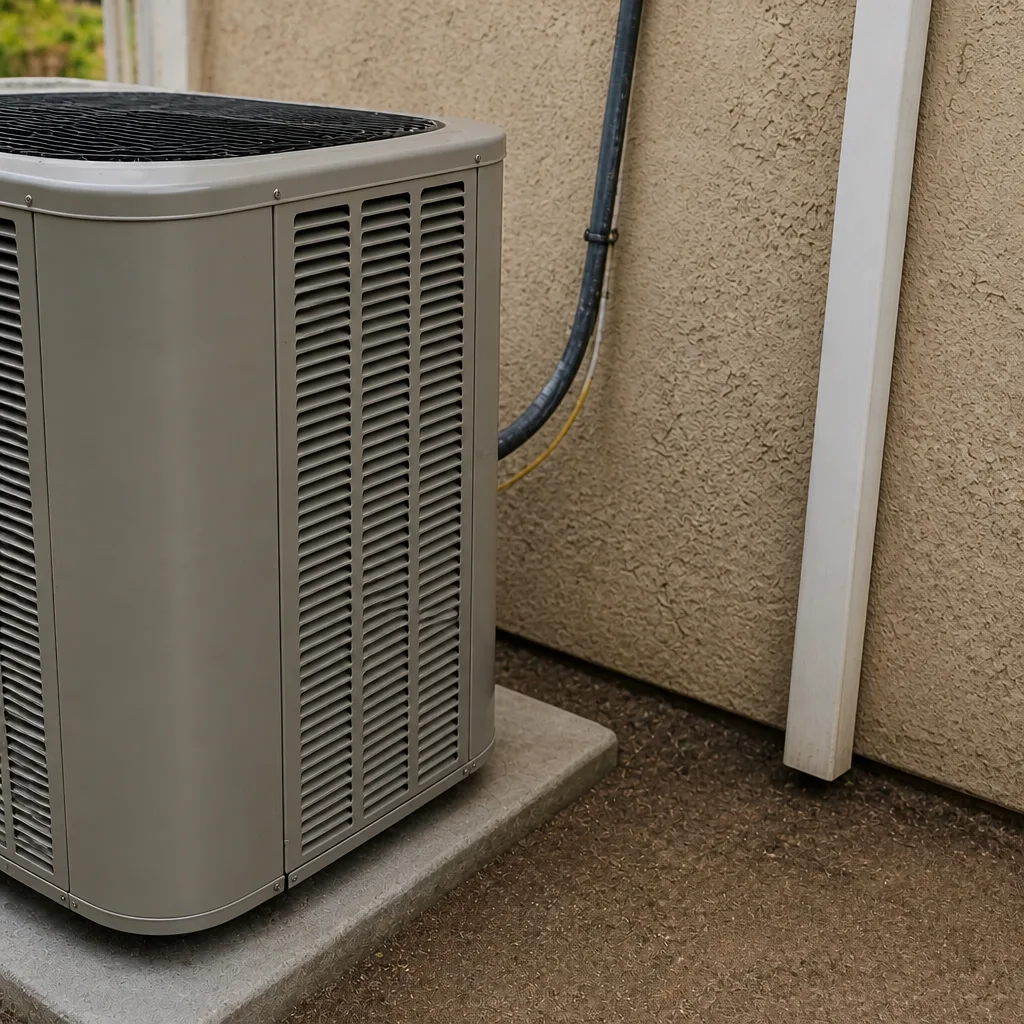
See the difference
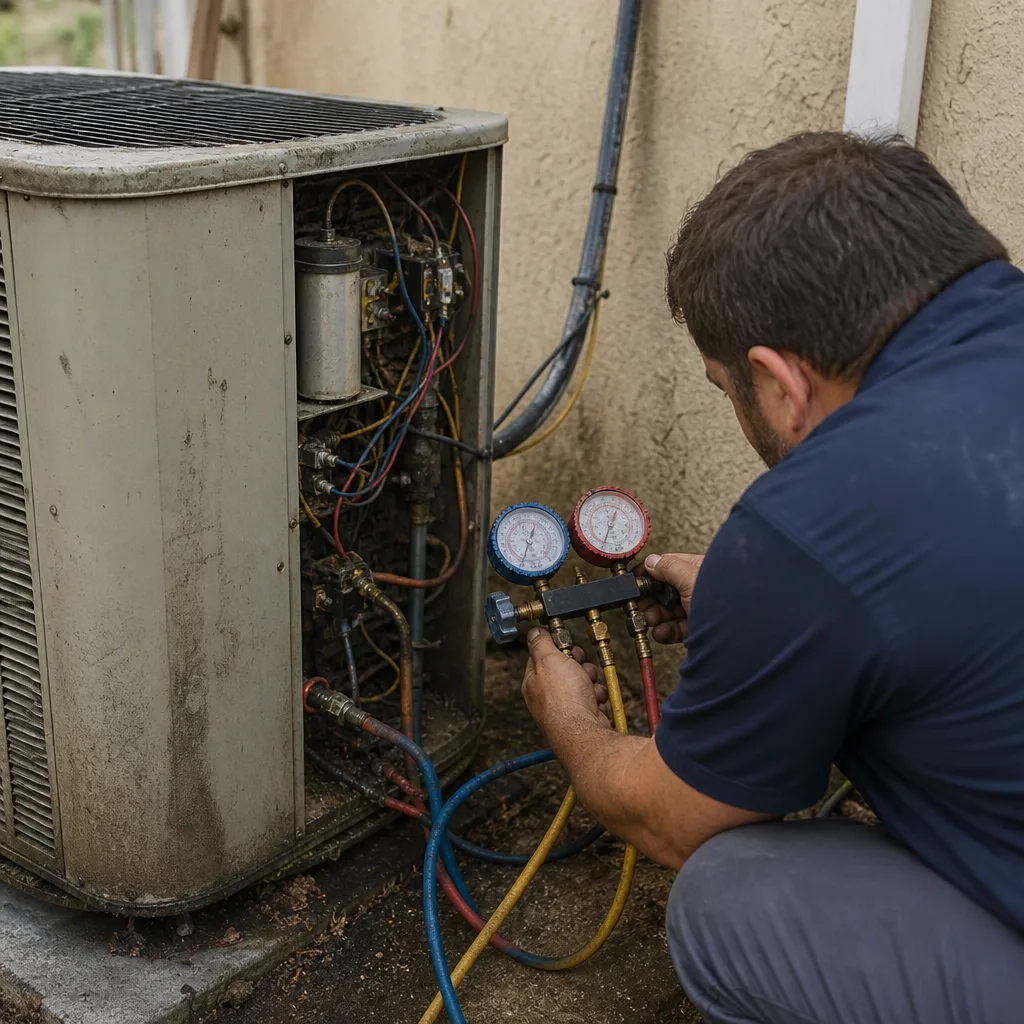 Before
 After
 Before
 After
 Before
 After
When to Call a Professional
Some things are fine to watch and some need a call. Call us if the system stops cooling entirely, if supply air feels warm, if you see ice on the lines or coil, if there’s a burning smell when the heat comes on, if the system trips a breaker repeatedly, or if it’s producing strange sounds under load. Call if your electric bill jumps with no change in habits, or if a room that used to cool well no longer does.
And call for the planned work too: the winter maintenance visit, the spring pre-peak check, and the October heating test. Scheduling ahead beats scheduling in a crisis. In Cape Coral, our team offers free estimates, and we’ll tell you plainly what the system needs and what it doesn’t. Call (855) 595-4793. We answer 24/7. Fast dispatch from 7am to 7pm, Sunday through Friday.
Frequently Asked Questions
Twice a year works well in Cape Coral: a full service visit in the mild window between November and February, and a pre-peak check between March and May before the heat settles in. The two visits together cover the cooling side thoroughly and give the heating side a check at the right time. Between visits, keep the filter clean and watch for changes.
Yes, once a year, and October is the ideal time. Heat strips and heat pumps that sit idle for months can develop dust buildup, contactor wear, or control problems that only show up the first time you ask them to heat. Testing in October means you find out on your schedule instead of in a cold snap. Call (855) 595-4793 for an exact quote – estimates are free.
Most homes here do well around 75 to 78 degrees while people are home, set a few degrees warmer when the house is empty for long stretches. The goal is a setting the system can actually hold on the hottest afternoons, since a thermostat set too low during peak load pushes the system to run nonstop. Calibration and schedule get checked during the spring pre-peak visit.
Repair is the right answer far more often than homeowners are led to believe. Replace only when the repair cost clearly outweighs the value of keeping the equipment running, or when a system has needed repeated repairs in back-to-back seasons. We diagnose the actual failure and give you the honest call, since we work on whatever brand you have, not just the ones we’d rather install.
Longer cooling times, continuous run times, warm supply air, unusual sounds, ice on the lines, and a rising electric bill are the main ones. Any of these is worth a call before a small problem turns into a full failure in the middle of a hot week. Call (855) 595-4793 for an exact quote – estimates are free.
Yes. We work on whatever brand you have, from Carrier, Trane, Lennox, and American Standard to the other most-installed names in the industry. Brand-agnostic diagnosis means the recommendation is based on what your system actually needs, not on which parts we happen to have on hand. Call (855) 595-4793 to schedule.
The Bottom Line
Seasonal HVAC care in Cape Coral comes down to respecting the climate you actually live in. Do the heavy maintenance between November and February, when the system isn’t under load and a technician can catch problems cheaply. Verify everything in March through May, before temperatures stay above 90. Watch performance closely through the peak months and act on the early signals. Test the heating side in October, even though you barely use it. Build the calendar around Cape Coral’s real rhythm rather than a generic national one, keep the filter clean, and lean on a professional for anything involving refrigerant or electricity. Do that and you get more cooling, fewer emergencies, and a system that lasts.
Call (855) 595-4793 for a free estimate. We answer 24/7. Fast dispatch from 7am to 7pm, Sunday through Friday.
Written by the team at Linden AC Repair.