
Last updated November 15, 2026
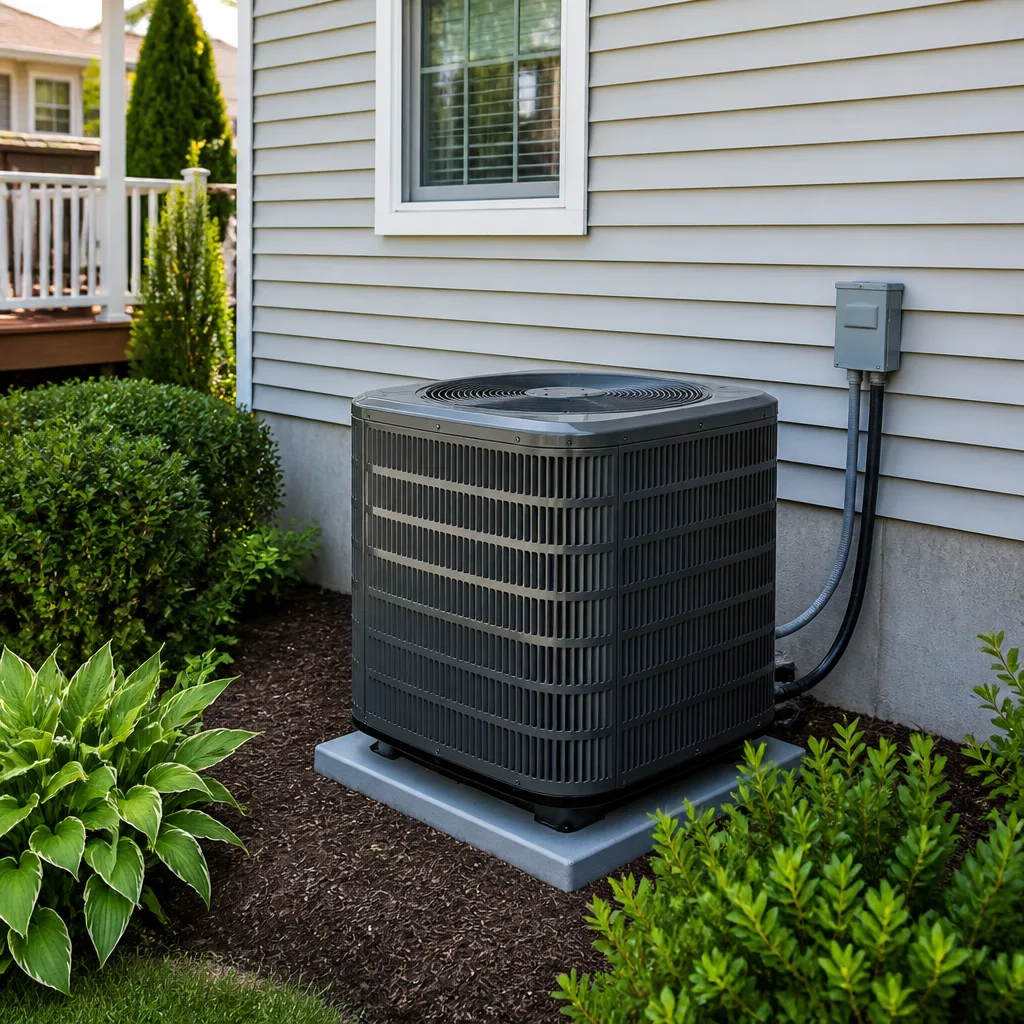 AC repair
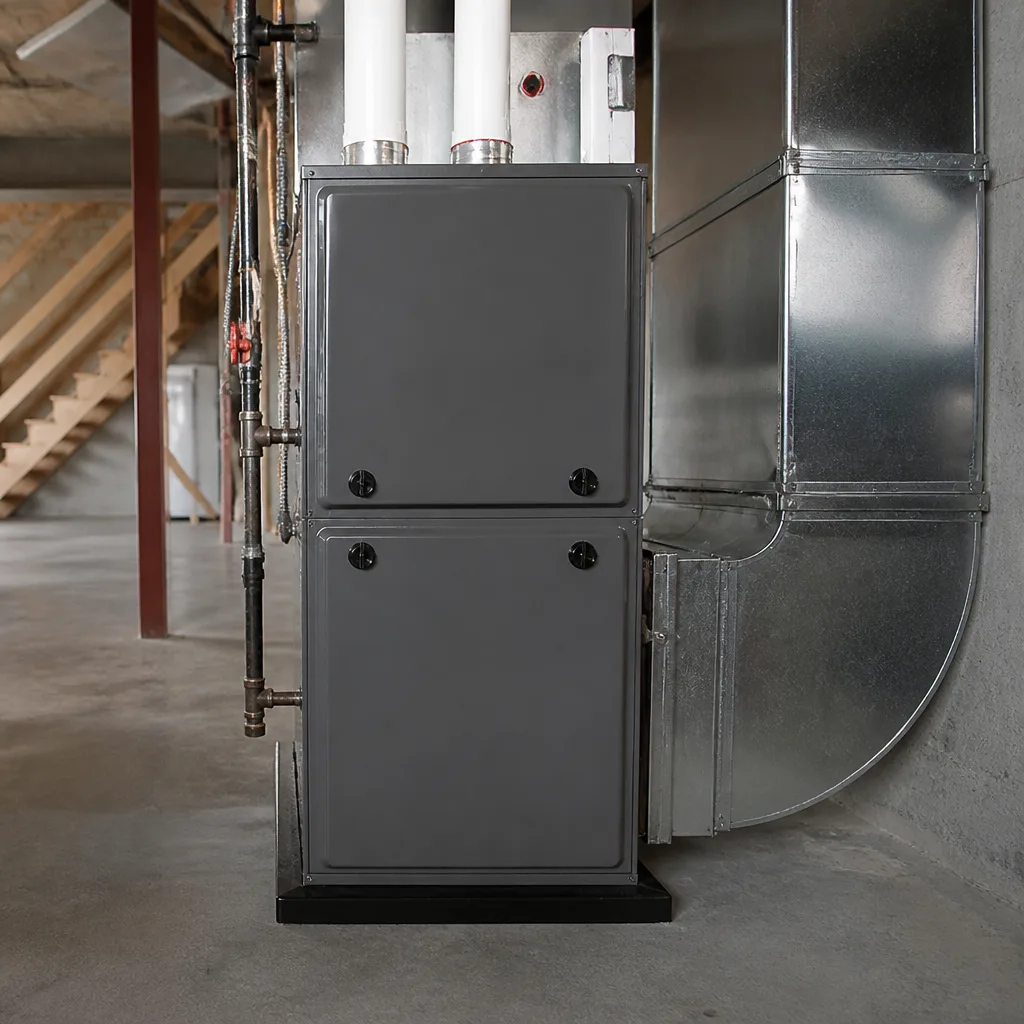 Furnace & heating
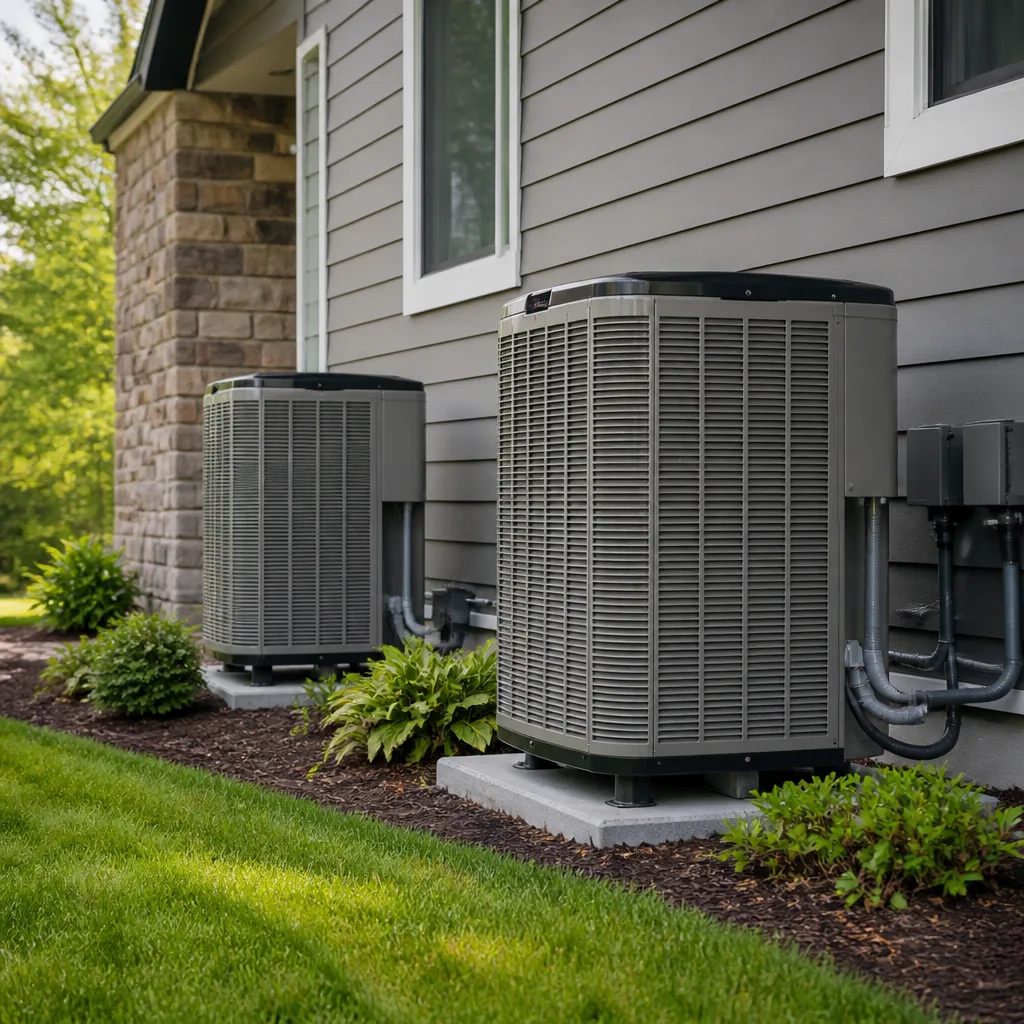 Heat pumps
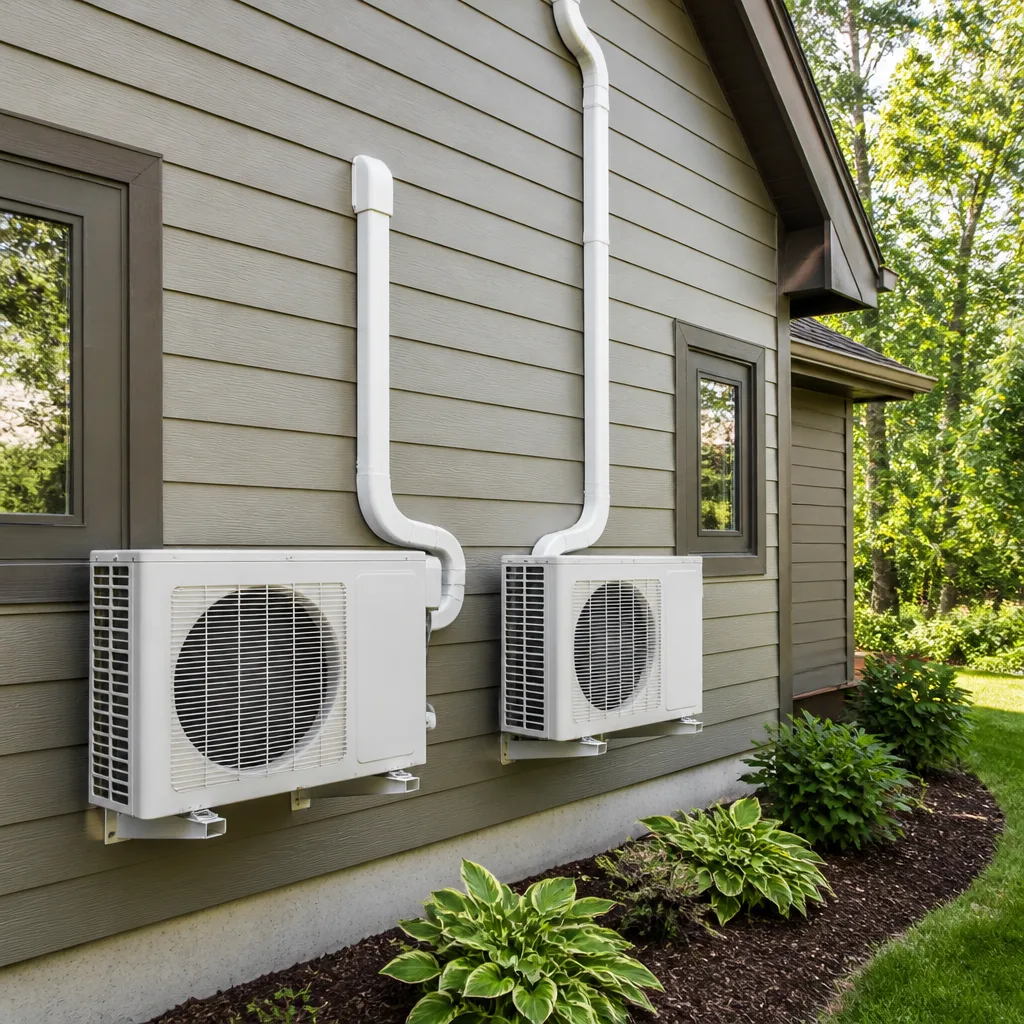 Ductless mini splits
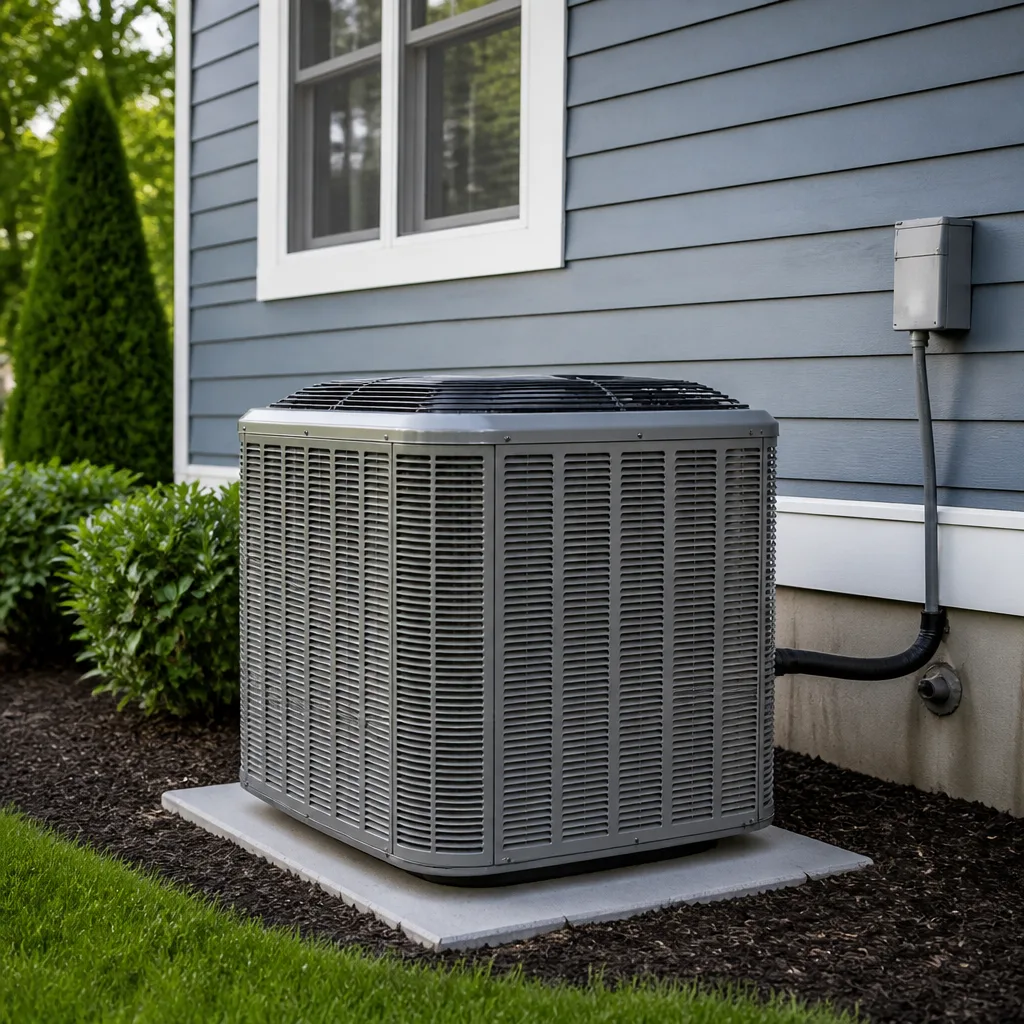 Carrier
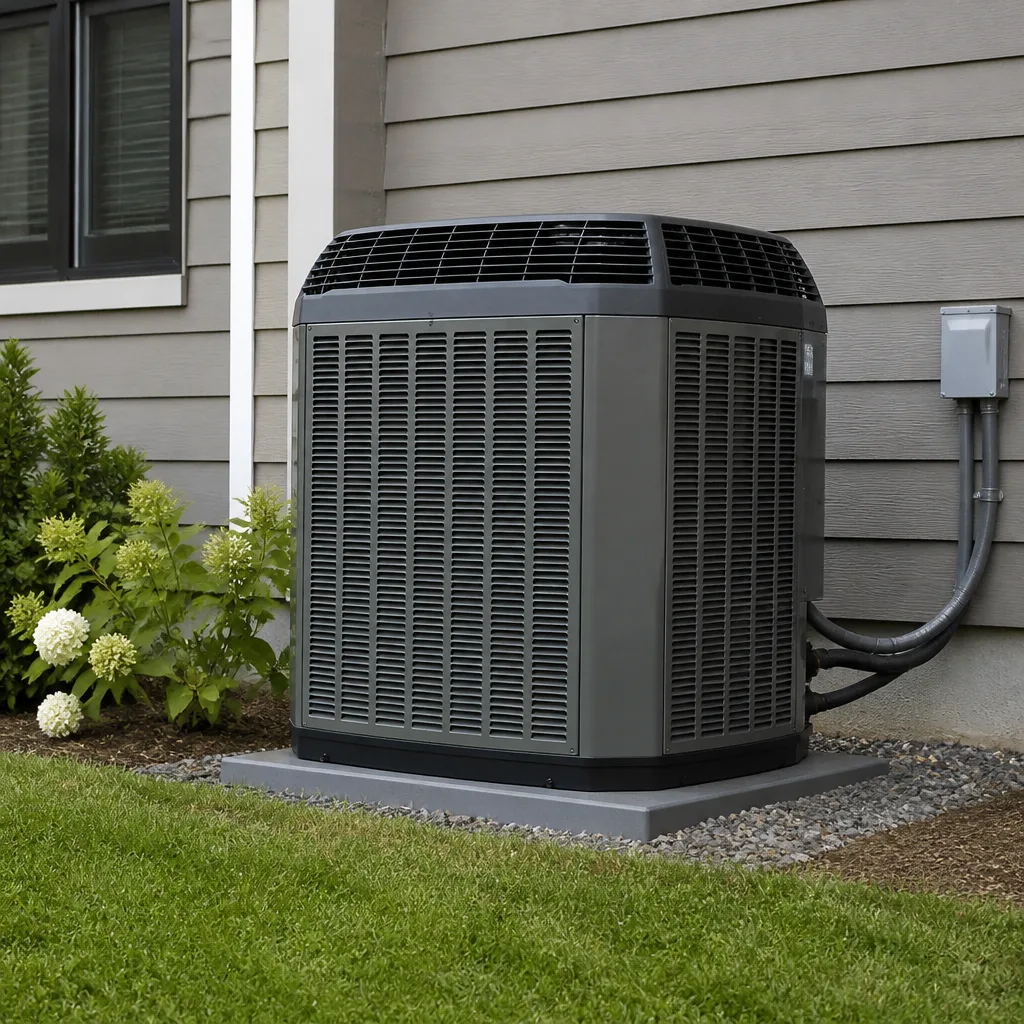 Trane
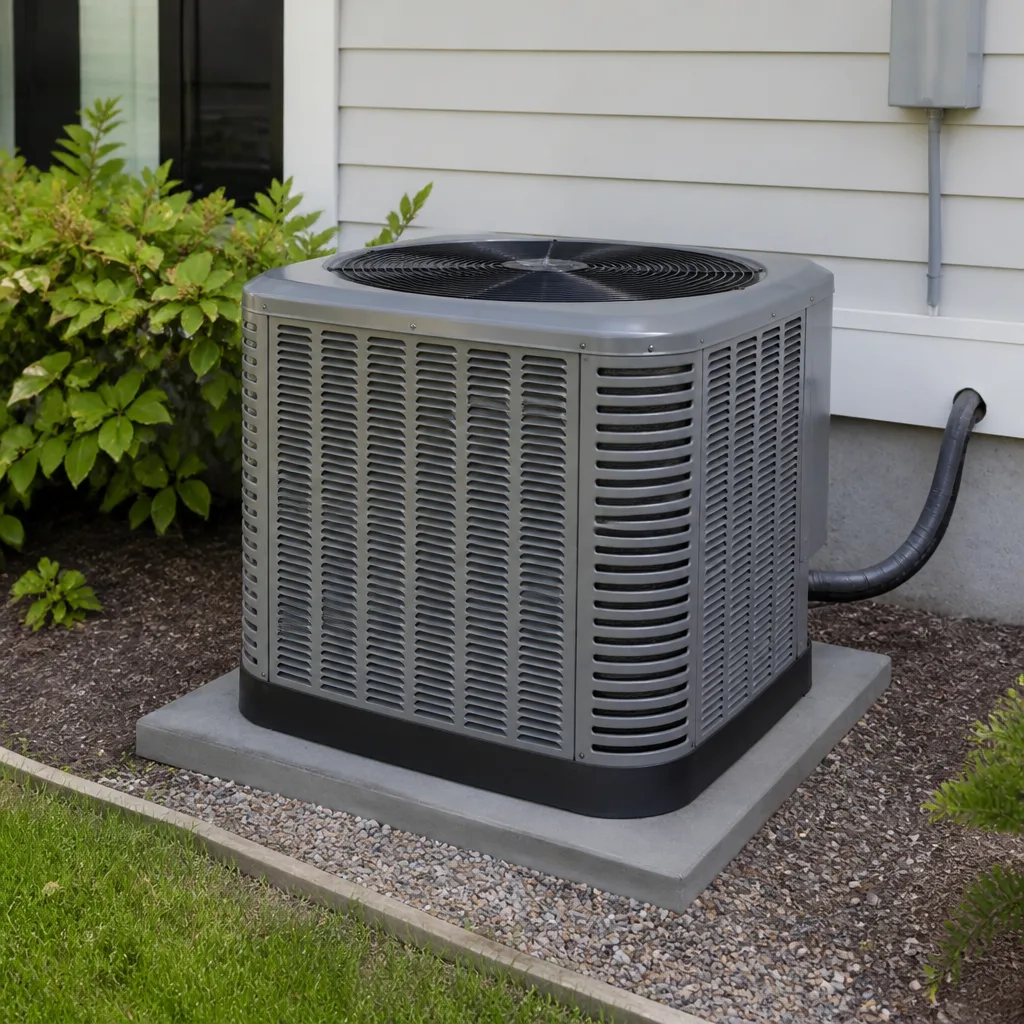 Goodman
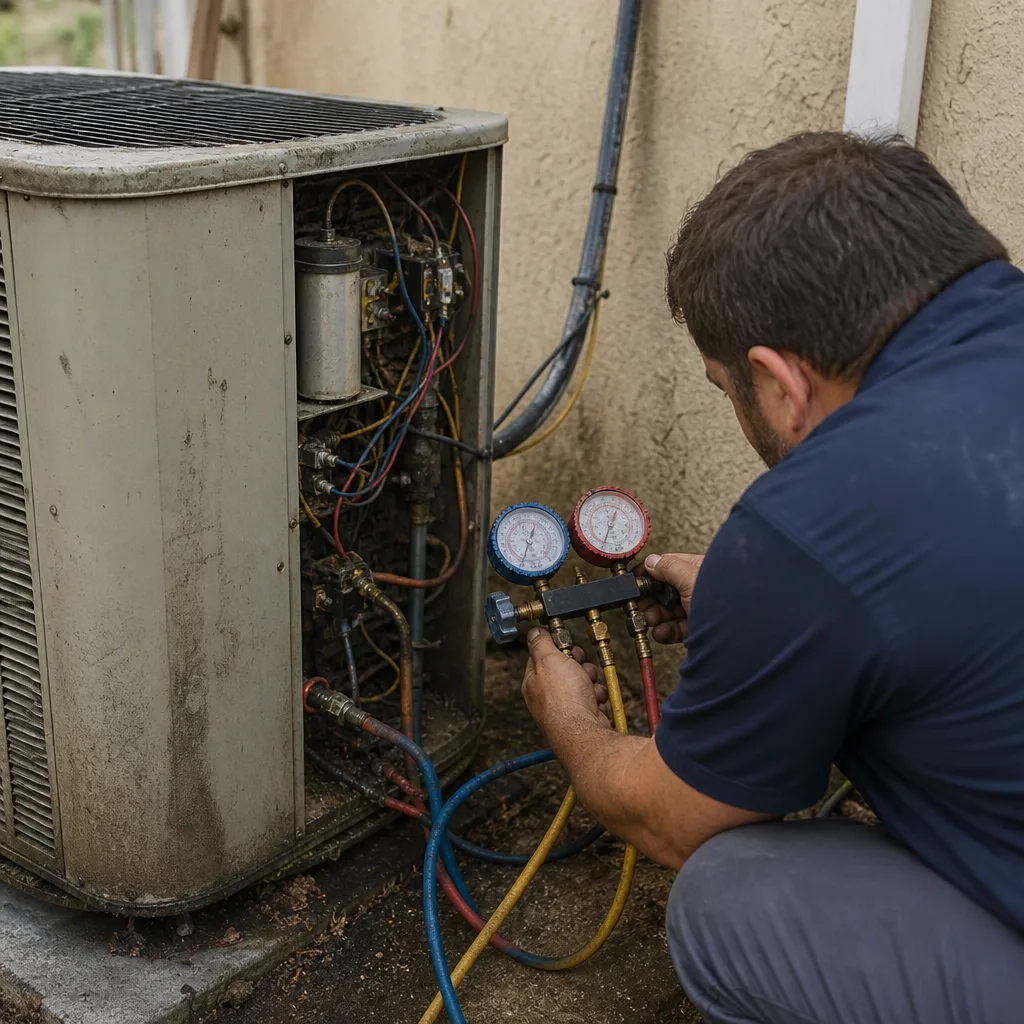
Seasonal tune-up and full diagnostic on your Carrier, Trane, or Goodman system - readings shown to you before any repair is proposed
Diagnosis first, numbers second - you approve the repair price before a single part goes in.
Get your free estimateChoosing the Right HVAC Brand: A Buyer’s Guide for Cape Coral
The same brand that earns top marks in a national comparison article can be a poor choice for a Cape Coral home if the equipment isn’t specified for a hot, humid, salt-exposed environment. Most brand rankings are written for a generic national reader, so they ignore the two things that decide whether a system lasts here: how the coil and cabinet are protected, and whether your local contractor can actually get parts for the proprietary components when something fails. This guide reframes the brand decision around durability in Cape Coral and around the practical question of who services what you buy. By the end you’ll know which specifications to ask for, what a warranty might exclude, and how to weigh a brand’s reputation against your contractor’s real familiarity with it.
Quick Answer
The best HVAC brand for a Cape Coral home is the one whose specific model is built for humid, salt-influenced air and whose proprietary parts a trained local contractor can service quickly. That usually means choosing a mid-tier model from a brand with strong regional distributor support and asking for coastal-grade coil protection, not chasing the highest efficiency number on a spec sheet. Brand reputation matters far less than model specification and local serviceability.
Styles & brands we work with
- AC repair
- Furnace & heating
- Heat pumps
- Ductless mini splits
- Carrier
- Trane
- Goodman
Table of Contents
- What “coastal application” really means
- Coil coatings: Blue Fin vs. Gold Fin and what they do
- Why local parts availability beats brand fame
- How to read a manufacturer warranty for coastal conditions
- The brands installed and serviced most in Lee County
- Why contractor familiarity outweighs small efficiency differences
- A step-by-step way to choose your brand
- Common mistakes to avoid
What “coastal application” really means for HVAC equipment
A “coastal application” specification is a set of physical protections on an air conditioner built to resist humid air and airborne salt. It is not a marketing label. It describes how the outdoor unit’s coil, cabinet and electrical connections are treated so they don’t corrode early and lose capacity. In Cape Coral, where systems run hard through a long cooling season and the air carries moisture and salt particles, these protections decide how long the equipment holds up.
Three components carry most of the weight:
- The outdoor coil. This is the finned coil that sheds heat. Bare aluminum fins corrode faster in salt-influenced air, so the coating applied to them is the single most important coastal spec.
- The cabinet and fasteners. Cabinet gauge thickness and the quality of screws and fasteners affect how long the housing resists rust. Thin cabinets and cheap fasteners fail first at the edges and seams.
- The electrical disconnect and connections. These are small parts that fail quietly. Corrosion at a disconnect or terminal can cause intermittent problems that are hard to diagnose.
Some manufacturers build these protections into certain models as standard, and others offer them as an upgrade at the point of sale. That distinction matters. A brand that includes a coated coil and a heavier cabinet as standard on a given line is giving you durability without an added line item. A brand that treats them as an upgrade can be fine too, but only if the upgrade is actually ordered. In our experience, the specification on the quote matters more than the logo on the unit.
Coil coatings: Blue Fin vs. Gold Fin and what they do
Coil coatings are the first thing to ask about when you price a system in Cape Coral. Manufacturers use trade names like Blue Fin and Gold Fin for the finishes applied to the aluminum fins, and the finish is what stands between the coil and airborne salt. The names describe different coating processes, and they are not interchangeable in a coastal setting.
Here’s what to understand without getting buried in chemistry:
- A standard bare or lightly treated coil is fine in dry inland climates. In humid, salt-influenced air it corrodes sooner, and a corroded coil loses efficiency before it fails outright.
- A coated coil adds a protective layer over the aluminum. Coatings vary in thickness and adhesion, and the better ones hold up longer under the same conditions.
- The coating should be on the outdoor coil specifically. Ask which coil is coated and confirm it on the written quote.
Coating isn’t the whole story. Humidity drives biological growth on coils and in drain pans, so a system that’s properly sized, correctly charged and kept clean will outlast a coated system that’s neglected. But if you’re choosing between two models in the same tier and one carries a real coil coating as standard, the coated one is the better buy in Cape Coral. Daikin and Bryant both offer lines where coastal-relevant protections are part of the standard specification, and it’s worth having your contractor confirm exactly what’s included on the model you’re quoted.
Cabinet gauge and the small parts that fail first
Cabinet thickness is measured in gauge, and heavier gauge resists denting and rust longer at the seams. Ask about it, but don’t obsess. The disconnect and terminal connections deserve more attention than most buyers give them, because corrosion there causes service calls that look like refrigerant problems. A contractor who inspects and treats those connections at install is protecting the whole system, whatever brand you choose.
Why local parts availability beats brand fame
The fastest way to turn a good brand into a bad experience is to buy a model whose parts nobody nearby stocks. When a compressor contactor, control board or fan motor fails, the repair turnaround depends on whether your contractor can get the part quickly from a regional distributor. A famous brand with no local parts pipeline can leave you waiting while a less famous brand with strong regional support is back running the same week.
This is where distributor relationships matter, and they’re a contractor question, not a brand question. When you interview installers in Cape Coral, ask directly:
- Which brands do you have a distributor account with, and where is the nearest one?
- For the model you’re quoting, are the control board and blower motor typically stocked locally or ordered?
- Do you carry the proprietary parts for this brand, or do you source them per job?
- How long does a typical part order take for this line?
The answers tell you more about your future repair experience than any brand ranking. A model with a well-supported parts chain gets fixed faster and usually at a lower cost, because the contractor isn’t paying for rush shipping or working around a shortage. That’s part of why we keep fluency across the brands most common in Cape Coral, so a repair doesn’t stall on a part we can’t source.
How to read a manufacturer warranty for coastal conditions
Manufacturer warranties sometimes carry exclusions tied to environments with high salt exposure, and those exclusions can reduce or void coverage if the equipment wasn’t specified or protected for that setting. That’s not a reason to avoid a brand, but it’s a reason to read the warranty before you sign, not after a coil fails.
What to check on the warranty document:
- Whether an environmental exclusion exists. Ask your contractor to point to it in the actual document for the model you’re quoted.
- Whether protection is required to keep coverage. Some terms condition coil coverage on a specified coating or treatment. If so, the upgrade isn’t optional.
- What’s covered and for how long. Coil, compressor and parts coverage often run on different timelines. Know which is which.
- Registration deadlines. Many manufacturers require registration within a set window to keep full coverage, so ask who handles it.
Warranty terms also assume the system was installed correctly and maintained. A system that’s never cleaned, run with a clogged filter or charged wrong can fall outside coverage regardless of brand. Ask your contractor to walk you through the maintenance the warranty expects so you’re not caught out later. If you want a plain-language conversation about what a warranty actually covers before you commit, Linden AC Repair can go through it with you.
The brands installed and serviced most in Lee County
The brands you see most in Lee County are the ones with regional distributor support, trained technicians and stocked parts, and that concentration works in your favor. When a system is common in an area, technicians know its quirks, parts are easier to source, and repairs move faster. That’s a practical reason to lean toward the brands you actually see on homes around you, not just the ones with the biggest ad budget.
In our experience working across Cape Coral, the brands that come up most are Carrier, Trane, Lennox, Goodman, Rheem, York, Daikin, Bryant and American Standard. That spread matters for a few reasons:
- Familiarity shortens repair time. A technician who has worked on a brand many times diagnoses faster and is less likely to guess.
- Parts are more available. Common brands mean common parts, and common parts move through distributors quickly.
- Resale and service continuity. If you sell, or if you change contractors, a widely serviced brand is easy to hand off.
If you’re considering a brand outside that group, that’s fine, but ask your installer for a straight answer about parts and service familiarity. A specialty brand you can’t get serviced locally becomes a liability the moment the warranty ends. Our full range of work covering AC installation is built around servicing whatever brand is already in the home, which is the safest position for a homeowner to be in.
Why contractor familiarity outweighs small efficiency differences
Between two models in the same efficiency tier, the difference in energy use over a year is small, while the difference in install quality and service familiarity is large. A contractor who knows a brand’s charging procedures, control quirks and common failure points will get you more real efficiency than a slightly better spec sheet installed by someone guessing at it. This is the honest math of the brand decision, and most comparison articles skip it.
What factory-trained fluency actually buys you:
- Correct installation. Proper sizing, airflow and refrigerant charge are what deliver rated efficiency. Get those right and the model’s small advantages become real.
- Faster diagnosis. Familiarity with a brand’s controls and error codes shortens troubleshooting and avoids parts-by-trial.
- Better repair-or-replace advice. A technician who knows a brand can tell you honestly whether a repair is worth it, rather than pushing a replacement because it’s easier to sell.
- Fewer brand-switching delays. A contractor who already services your brand doesn’t have to learn it on your time.
The brands we work on span nine manufacturers, and that breadth means a homeowner isn’t steered toward one brand for convenience. A brand-agnostic approach keeps the recommendation honest: fix what’s there when it makes sense, and recommend a replacement only when the numbers truly favor it. If you want to talk through what your current system needs, our furnace repair team handles heating-side repairs with the same brand-agnostic approach, and our technicians have up to experience across these manufacturers.
A step-by-step way to choose your brand
Choosing a brand in Cape Coral comes down to matching the model to the environment and the contractor to the brand. Here’s a straightforward sequence to work through before you sign anything.
- Get a proper load calculation. Sizing comes before brand. An oversized system short-cycles, doesn’t dehumidify well, and wastes energy, no matter whose name is on it.
- Ask what “coastal” means on the quoted model. Confirm the outdoor coil coating, cabinet gauge and disconnect treatment in writing.
- Read the warranty’s environmental terms. Know whether coverage depends on a required coating or treatment, and who handles registration.
- Ask about parts and distributor support. Find out what’s stocked locally for the model and how long an order takes.
- Compare two or three models in the same tier. Look at efficiency, coating and parts support side by side, not the brand’s overall reputation.
- Check the contractor’s familiarity. Ask how often they install and service your brand, and whether they’re factory-trained on it.
- Get a written estimate. The written estimate sets the final price, so get the scope and protections in writing before you commit.
Most buyers skip steps two through five, then inherit the consequences when the first repair call comes. Taking an extra conversation up front is the difference between a system that lasts and one that keeps calling you back. When you’re ready to compare options for your home, our Cape Coral team can walk you through the brands and models that fit your situation.
Common Mistakes to Avoid
- Choosing on brand reputation alone. A brand’s national ranking says nothing about whether a specific model is protected for humid, salt-influenced air. Judge the model and its coastal specification, not the logo.
- Assuming a warranty covers corrosion. Some manufacturer terms reduce or void coverage where equipment wasn’t specified or protected for a salt environment. Read the document before you sign, not after a coil fails.
- Letting the contractor pick a brand they barely know. A slightly better spec sheet installed by someone unfamiliar with the brand can cost you efficiency and future repair time. Ask how often they service what they’re quoting.
- Skipping the load calculation. Sizing comes before brand choice. An oversized unit dehumidifies poorly and short-cycles, which is a bad match for Cape Coral’s humid cooling season.
- Ignoring local parts support. A famous brand with no nearby parts pipeline can leave you waiting weeks while a better-supported model gets fixed in days.
- Treating coating as an optional extra. If coverage depends on a specified coating or treatment, skipping the upgrade can undermine the warranty and shorten the coil’s life.
- Buying on efficiency number alone. Small efficiency gaps between models in the same tier rarely outweigh install quality and service familiarity. Get the install right first.
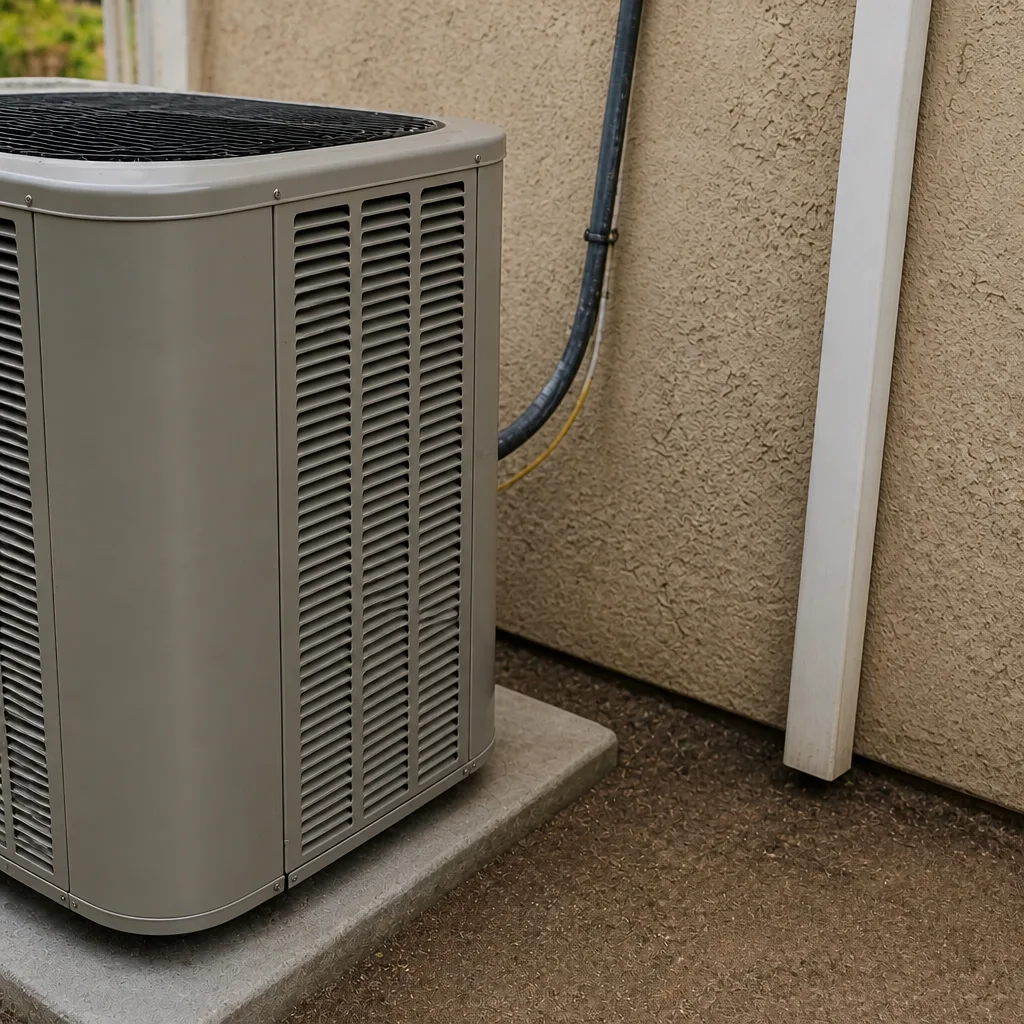
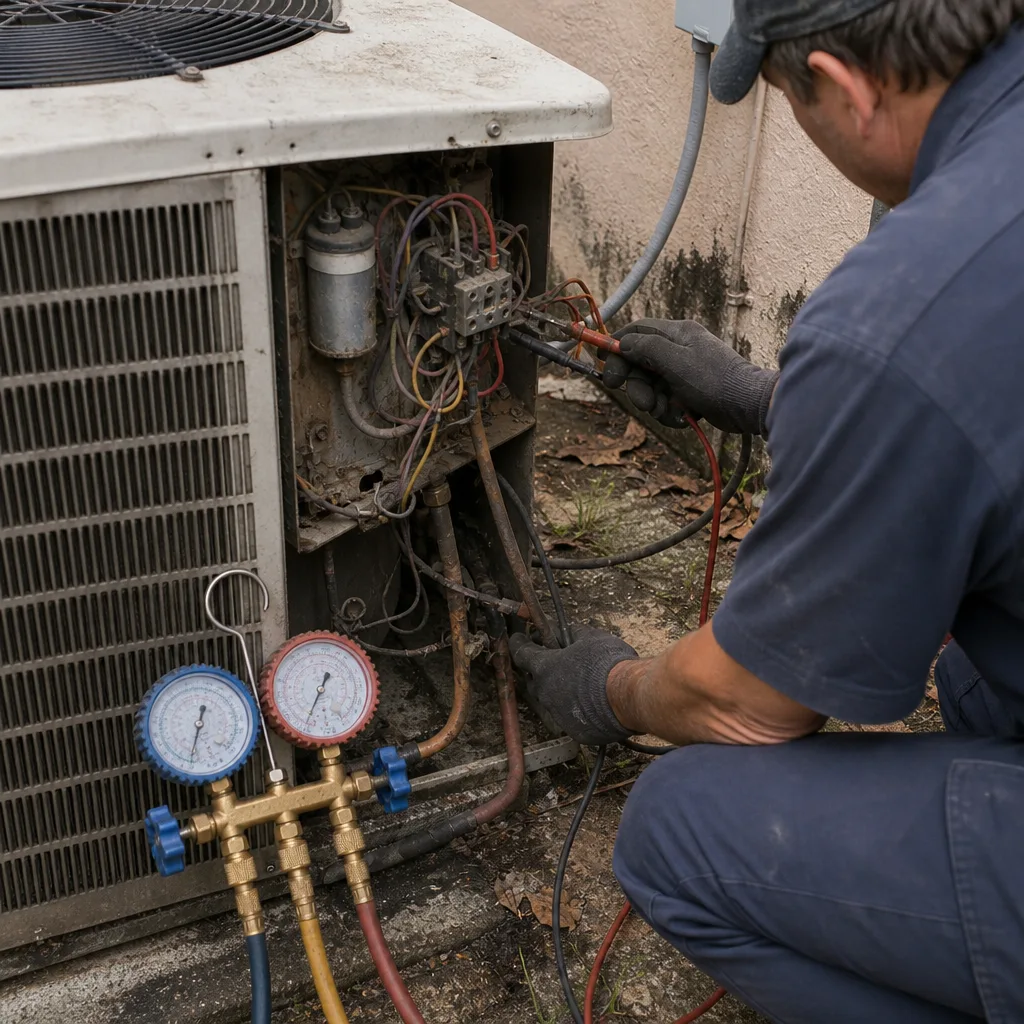
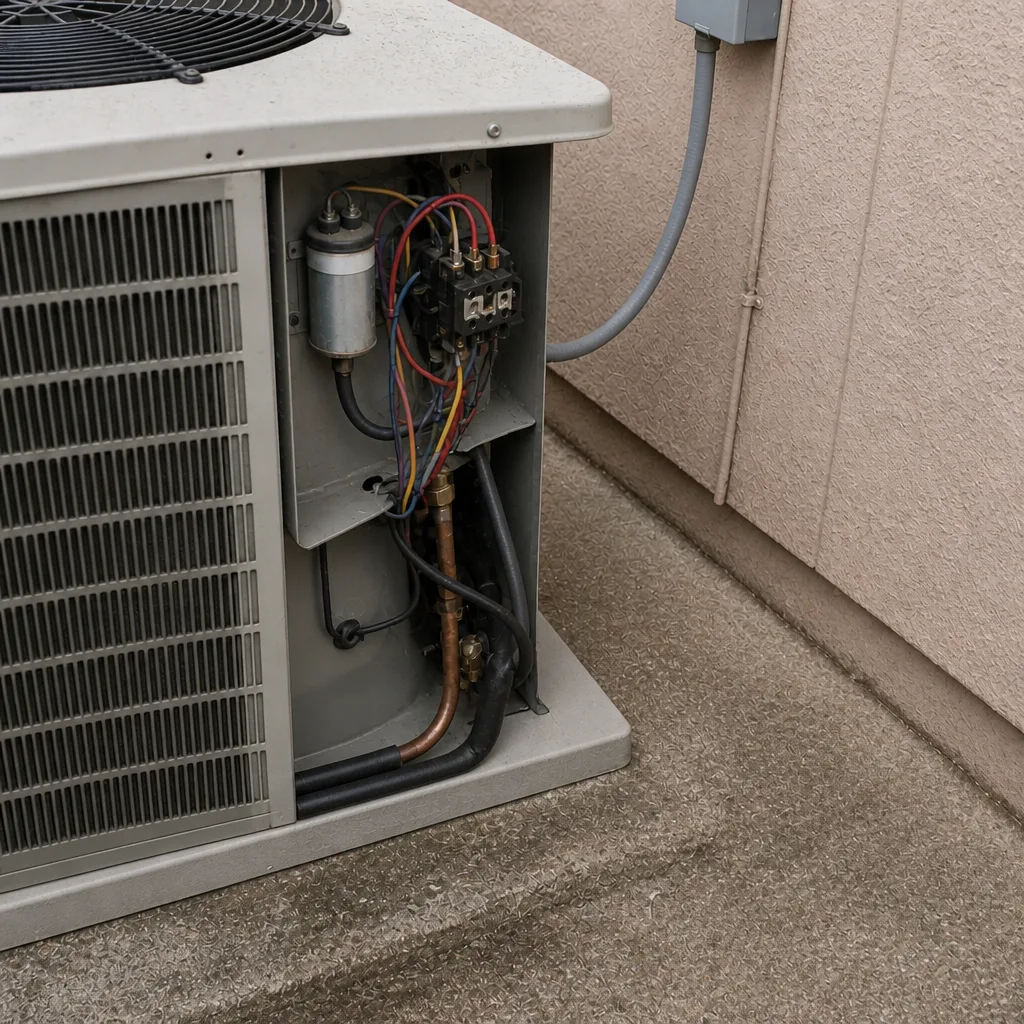
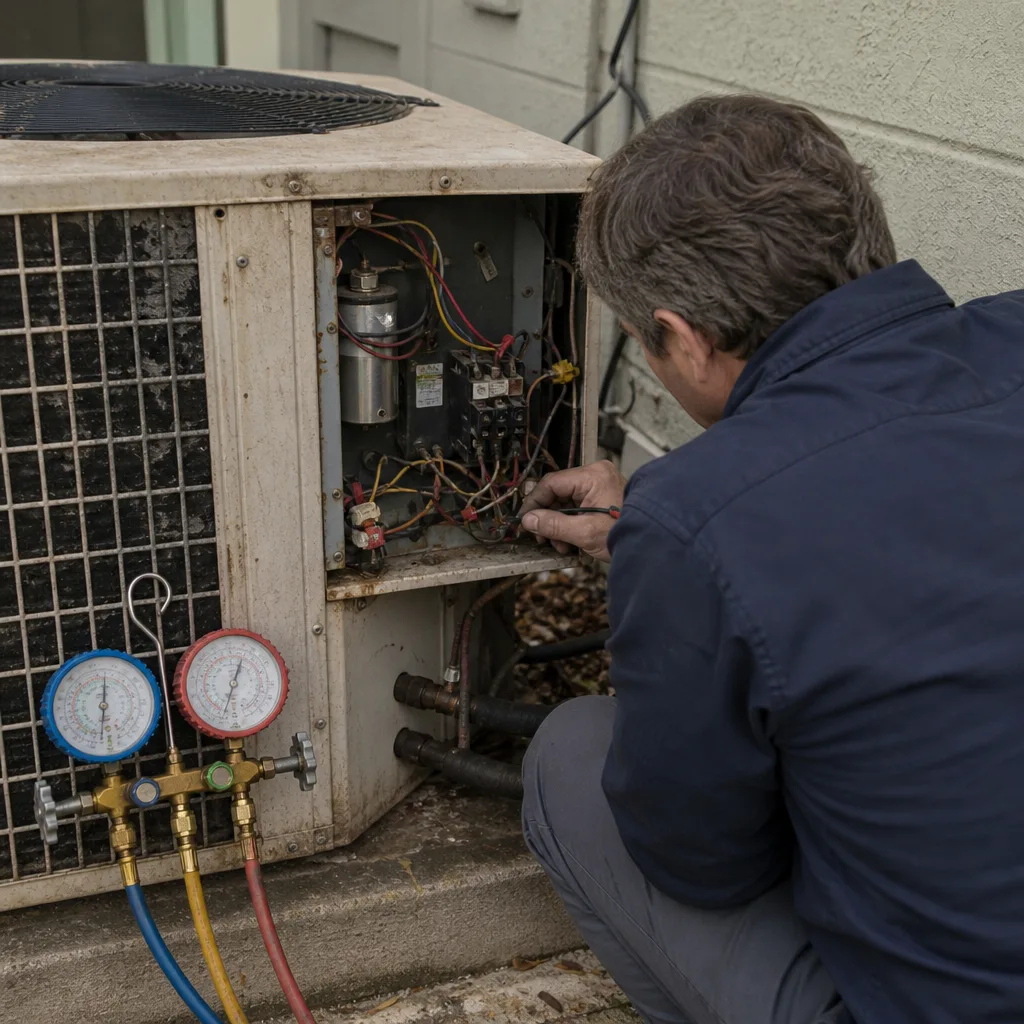
See the difference
 Before
 After
 Before
 After
 Before
 After
When to Call a Professional
Call a professional when you’re comparing systems and need a real load calculation and a written estimate, not a brochure. Call when you’re not sure whether the model you’ve been quoted is specified for a humid, salt-influenced environment, or when a warranty document has terms you can’t untangle. If your existing system is short-cycling, running poorly or more than a decade into its life, a technician can tell you honestly whether a repair buys more time or whether replacement makes sense. Those decisions benefit from someone who works on many brands and isn’t loyal to one. Linden AC Repair offers free estimates in Cape Coral. Call (855) 595-4793. We answer 24/7. Fast dispatch from 7am to 7pm, Sunday through Friday.
Frequently Asked Questions
There’s no single best brand for Cape Coral, but the best choice is a mid-tier model from a brand with strong regional parts support and coastal-grade coil protection. Focus on the model’s specification and your contractor’s familiarity rather than the brand’s overall reputation. Call (855) 595-4793 for a free estimate that compares the options side by side.
Yes, a real coil coating is worth paying for in Cape Coral because the outdoor coil is the part most exposed to humid, salt-influenced air, and a coated coil corrodes more slowly. If the coating is required to keep warranty coverage, it isn’t really optional. Ask your contractor to confirm the coating in writing. Call (855) 595-4793 to talk through your options.
Some manufacturer warranties carry environmental exclusions that can reduce or void coverage where equipment wasn’t specified or protected for salt exposure, so it’s worth reading the terms carefully. Ask your contractor to point to the exclusion and whether a required treatment keeps coverage intact. Call (855) 595-4793 for help reading a warranty before you commit.
The brands most commonly installed and serviced in Lee County are Carrier, Trane, Lennox, Goodman, Rheem, York, Daikin, Bryant and American Standard, which means parts and technician familiarity are easier to come by. That’s a practical reason to lean toward a widely serviced brand. Call (855) 595-4793 to compare a few of them for your home.
No, the contractor matters more than the brand for real efficiency, because correct sizing, airflow and refrigerant charge deliver the rated performance. Between two models in the same tier, the efficiency gap is smaller than the difference a good install makes. Call (855) 595-4793 for a written estimate from a team that services many brands.
Ask directly which brands your contractor is factory-trained on and how often they install and service them, then ask for confirmation in writing on the estimate. A contractor with broad training can service whatever brand is already in your home without delays. Linden AC Repair covers nine major brands. Call (855) 595-4793 to discuss yours.
The Bottom Line
Brand loyalty is the wrong framework for choosing HVAC equipment in Cape Coral. What matters is whether the model is protected for humid, salt-influenced air, whether the manufacturer’s warranty has environmental terms you understand, and whether your contractor can actually source parts and service the brand quickly. Lean toward a widely serviced brand from a contractor who’s factory-trained on it, ask for coastal-grade coil protection in writing, and get a proper load calculation before you settle on anything. The written estimate sets the final price. When you’re ready to weigh your options, call (855) 595-4793 for a free estimate. We answer 24/7. Fast dispatch from 7am to 7pm, Sunday through Friday.
Written by the team at Linden AC Repair.