
Last updated November 15, 2026
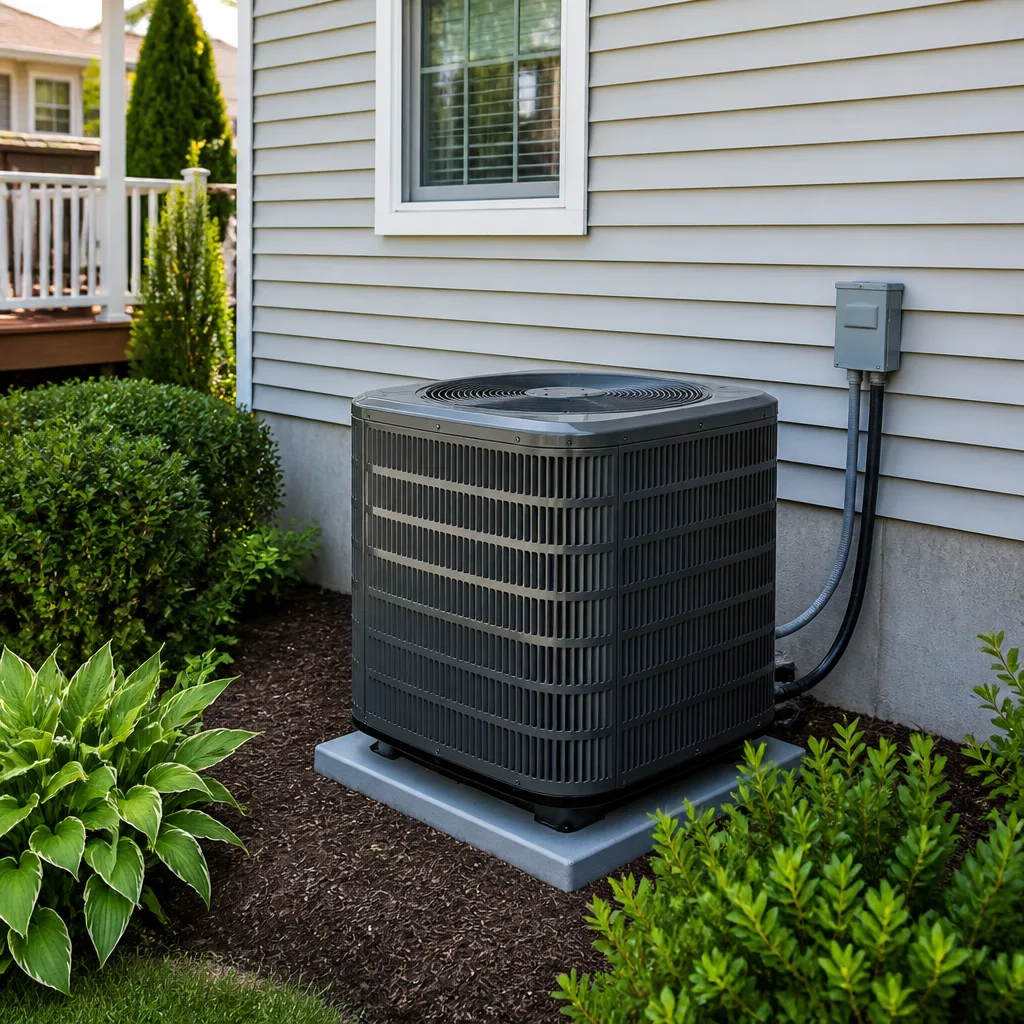 AC repair
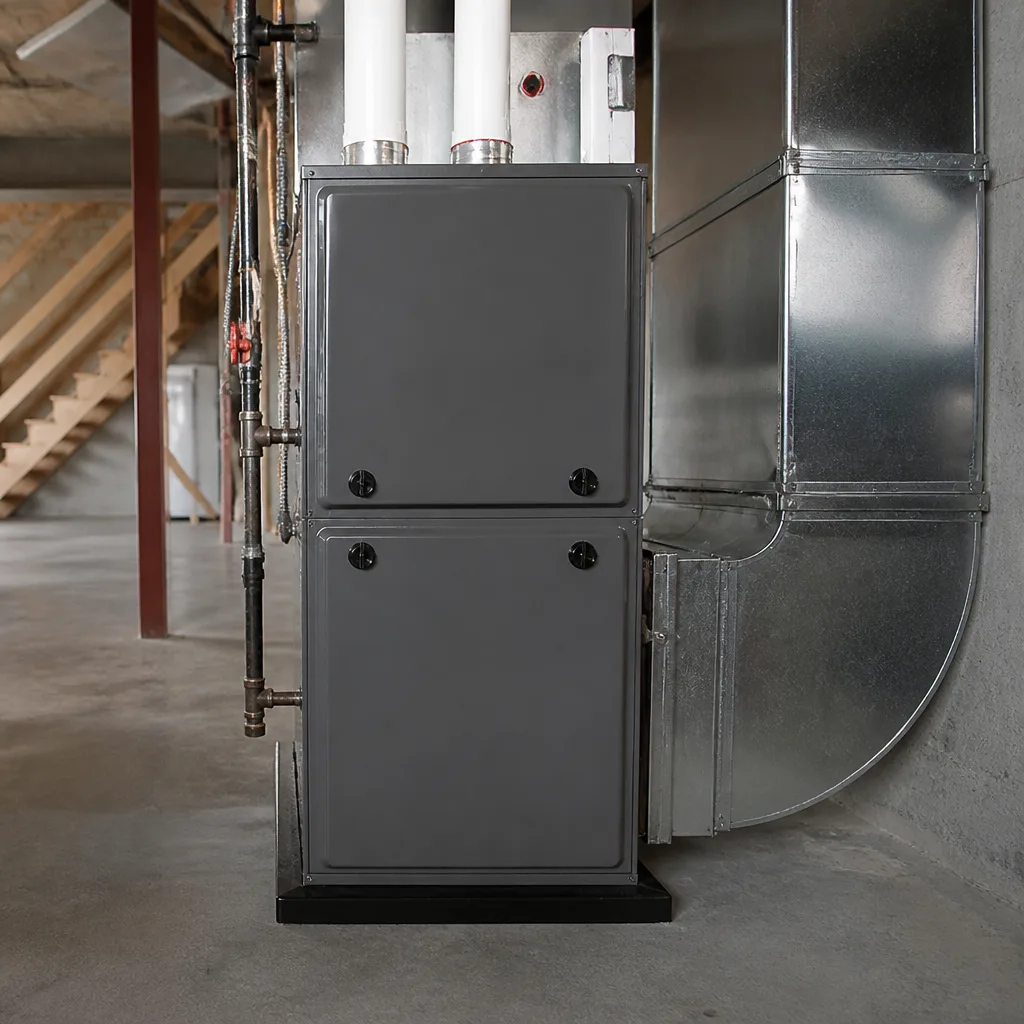 Furnace & heating
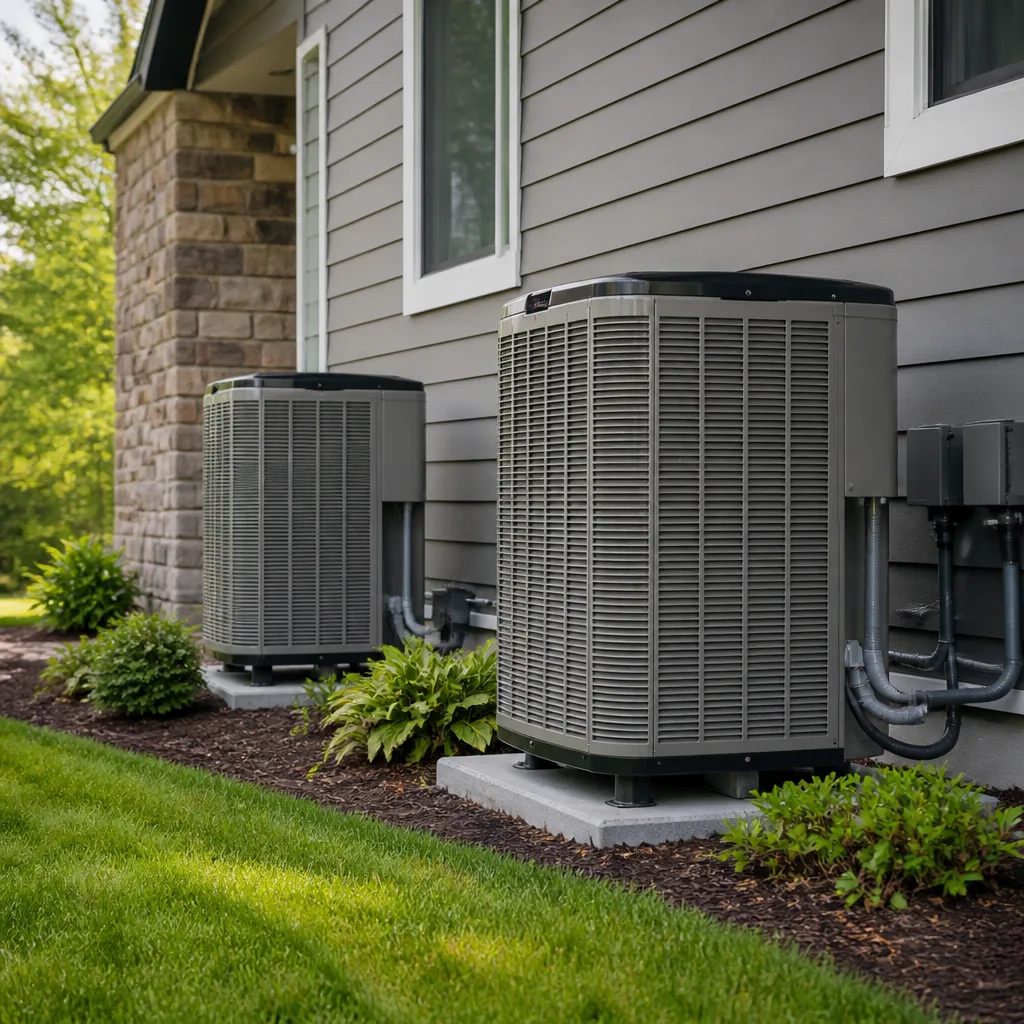 Heat pumps
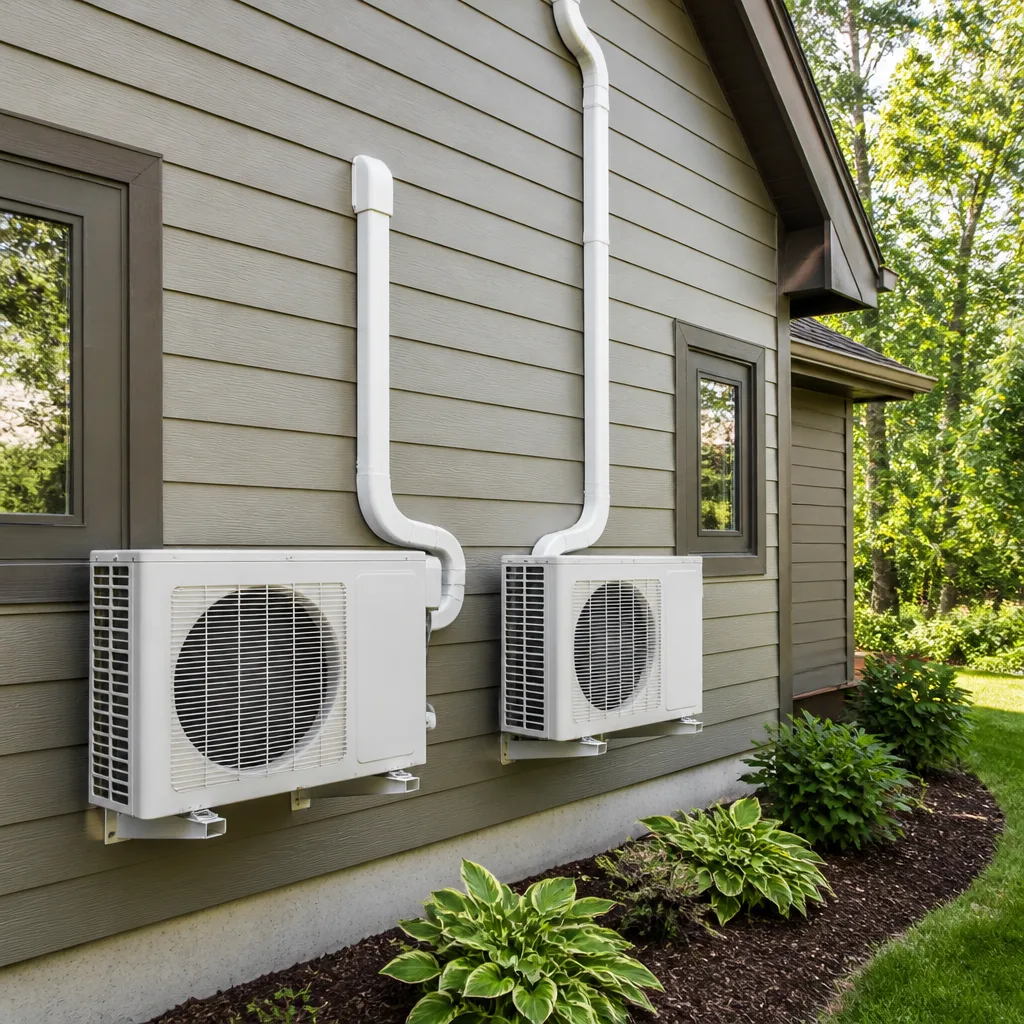 Ductless mini splits
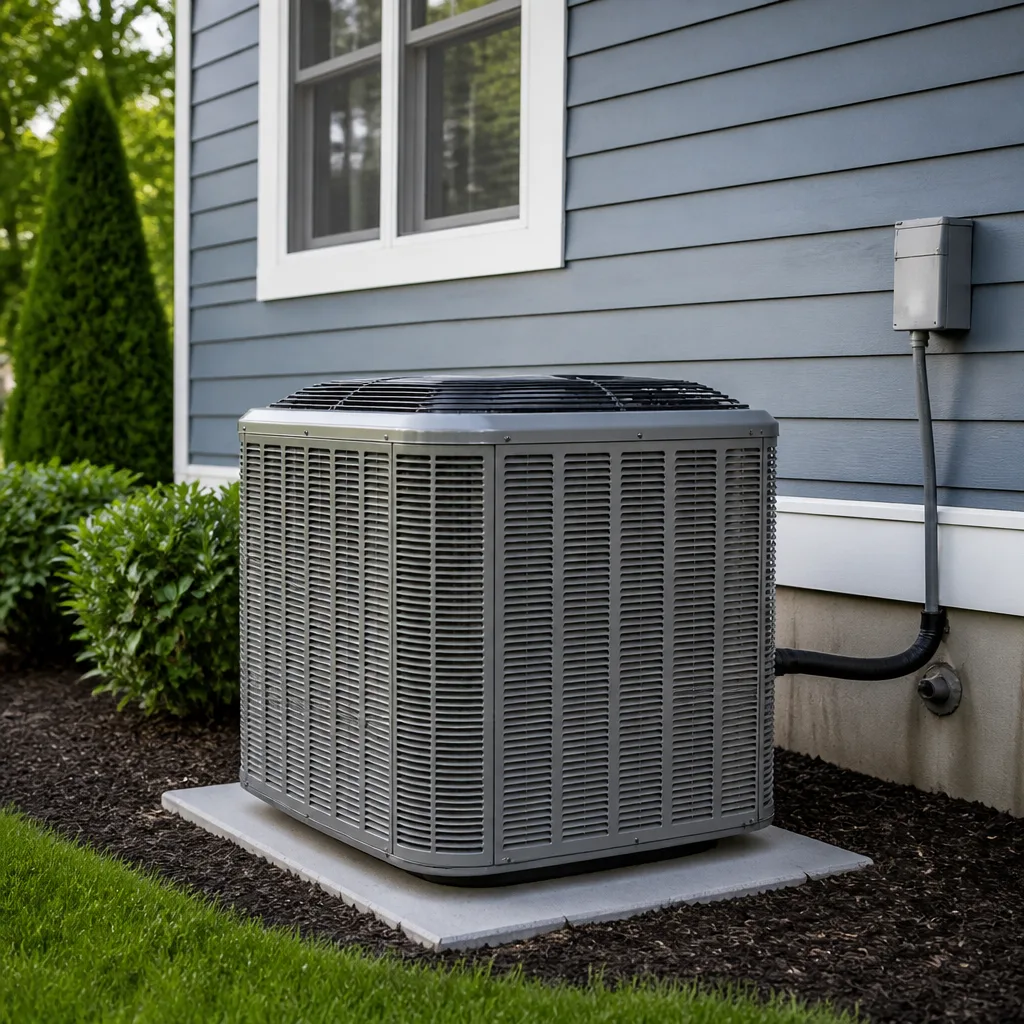 Carrier
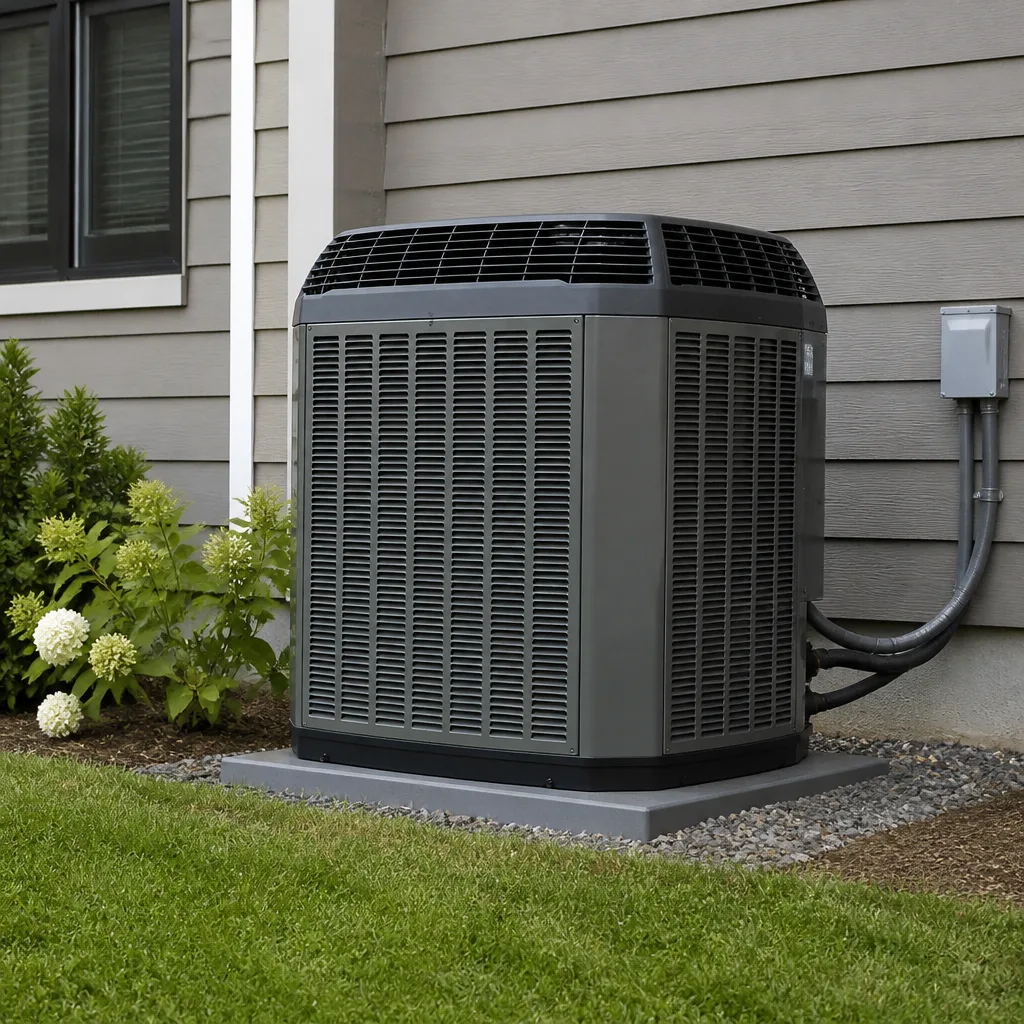 Trane
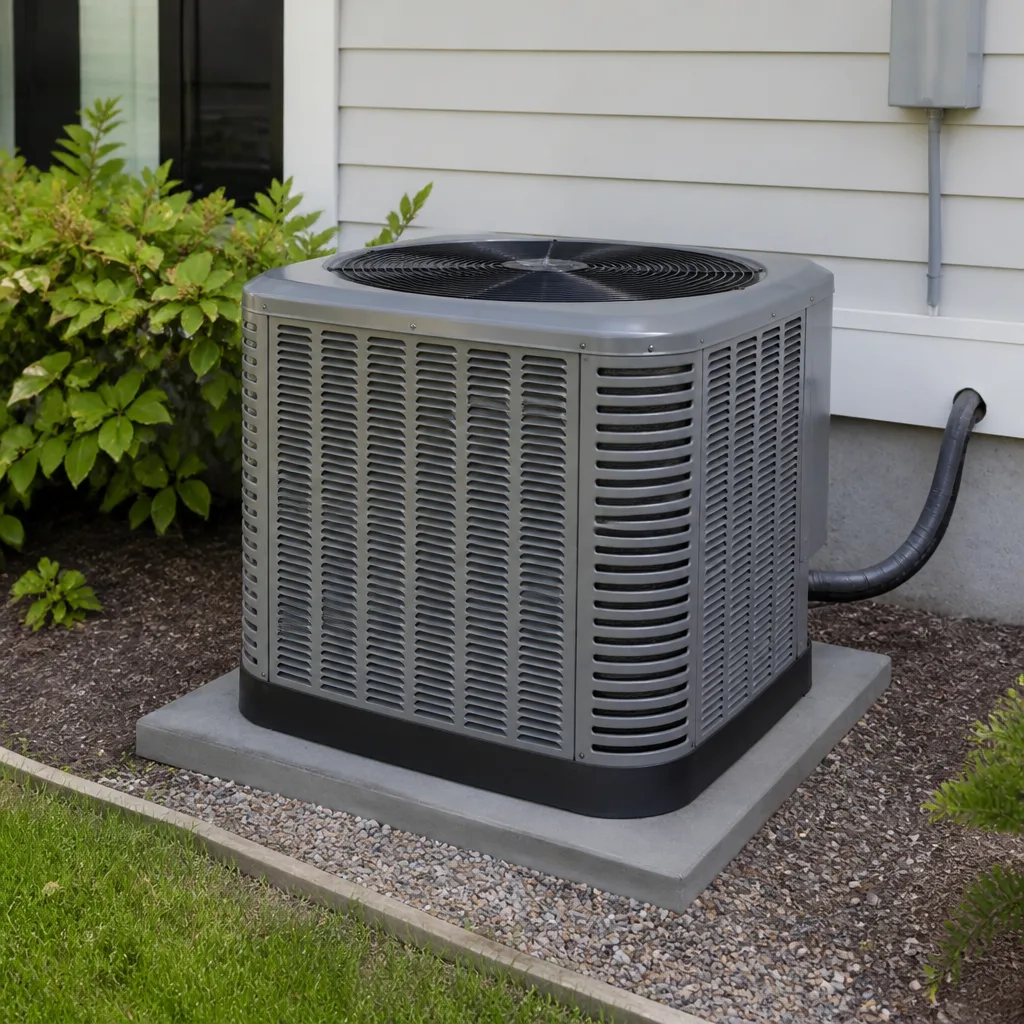 Goodman
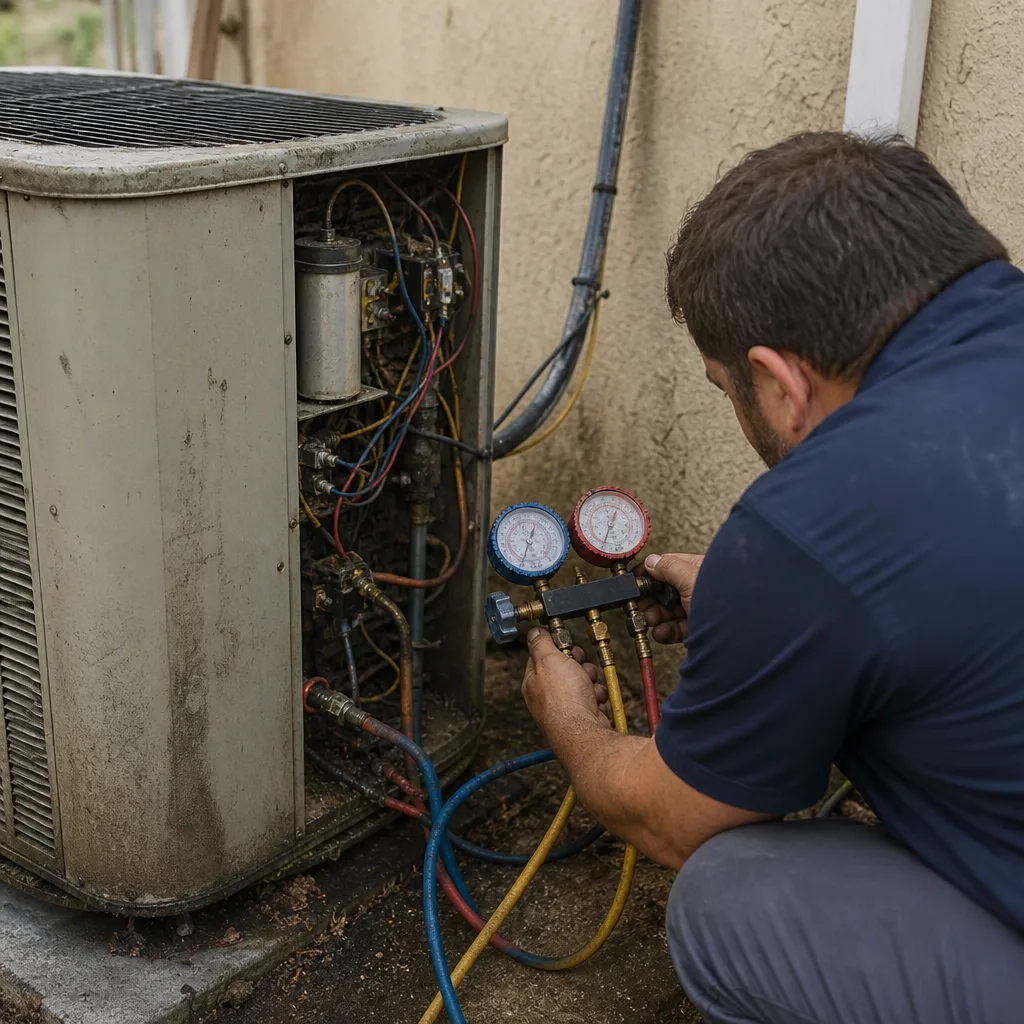
Seasonal tune-up and full diagnostic on your Carrier, Trane, or Goodman system - readings shown to you before any repair is proposed
Diagnosis first, numbers second - you approve the repair price before a single part goes in.
Get your free estimateThe Complete AC Installation Guide for Cape Coral Homeowners
Most AC installation guides are written for a generic “hot climate,” and that’s the first thing that gets Cape Coral homeowners into trouble. Cape Coral isn’t Phoenix hot or Atlanta hot. It’s months of heavy humidity, a cooling season that never really ends, and building conditions that punish a system sized or installed by guesswork. A unit that performs beautifully in a dry climate can struggle here, run longer, and wear out faster. This guide walks through the whole process the way we actually approach it, from efficiency ratings that behave differently in humid air to the Lee County permit that protects your resale. You’ll learn what to ask, what to expect on installation day, and how to tell whether a job was done right.
Quick Answer
AC installation in Cape Coral means choosing a correctly sized, properly commissioned system built for year-round humidity, not just peak heat. That starts with a room-by-room load calculation (Manual J), a matched indoor and outdoor unit, and a permit and inspection through Lee County. Get those three right and the equipment brand matters far less than most homeowners assume.
Styles & brands we work with
- AC repair
- Furnace & heating
- Heat pumps
- Ductless mini splits
- Carrier
- Trane
- Goodman
Table of Contents
- Why AC Installation in Cape Coral Is Different
- SEER2 Ratings in Humidity: What Efficiency Actually Pays Off Here
- Sizing and Manual J Load Calculations in a Humid Climate
- Coil Materials, Coatings, and Equipment Longevity
- The Lee County Permit and Inspection Process
- What to Expect on Installation Day
- How to Verify the Job Was Done Correctly
- How Much Does AC Installation Cost in Cape Coral?
Why AC Installation in Cape Coral Is Different
In Cape Coral, the air conditioner runs almost every day of the year. That single fact reshapes the whole purchase. A homeowner in a colder market can buy a system built for a short, intense cooling season and still come out fine. Here, the unit is the HVAC equivalent of a daily driver, and the decisions that matter are the ones that hold up over sustained use in humid air.
Humidity is the big one. Sensible heat (the temperature you feel) and latent heat (the moisture the system removes) both load a unit, and in a Cape Coral summer the latent side is enormous. A system that isn’t matched to remove moisture will hit the thermostat setpoint while the house still feels clammy. That’s a comfort problem, but it’s also an efficiency and mold problem, because an oversized or poorly tuned system short-cycles and never runs long enough to pull humidity out of the air.
Then there’s the building stock. Much of Cape Coral was built on slab, and ductwork in a lot of homes runs through the attic, one of the hottest spaces in the house. Duct design, insulation, and sealing matter as much as the equipment itself. If you’re replacing a system, this is the moment to address ducts that leak or run hot, because a high-efficiency condenser connected to leaky attic ducts will never deliver the efficiency you paid for.
Finally, the cooling season has no clear edge. “Shoulder months” barely exist in Cape Coral, so the system doesn’t get a long off-season to recover. That means you should evaluate equipment on the basis of long-term durability and serviceability, not just the efficiency number on the box.
SEER2 Ratings in Humidity: What Efficiency Actually Pays Off Here
SEER2 measures cooling efficiency, but it was tested under a specific set of conditions, and those conditions aren’t Cape Coral in August. In a humid climate, a system’s real-world efficiency depends heavily on how well it removes moisture and how long it runs per cycle. Higher SEER2 generally does save energy, but the payoff curve flattens once you pass the mid-efficiency range, and the marginal gains depend on your home’s envelope and ductwork rather than on the number alone.
Here’s the practical framework we use when a homeowner asks what efficiency to buy:
- Match the rating to your home first. A leaky, poorly insulated house with hot attic ducts won’t realize the full savings of a premium-efficiency unit. Sealing and insulating the envelope and ducts is often the higher-return move.
- Weigh runtime, not just peak SEER2. In a humid climate the machine runs long hours, so a mid-tier system with excellent humidity control can outperform a higher-rated unit with narrower operating range.
- Consider variable-speed equipment. Variable-speed compressors and blowers ramp up and down instead of cycling hard on and off, which helps both humidity control and comfort in a market where the system runs constantly.
- Invest in the matched indoor unit. An outdoor condenser paired with the wrong air handler or coil is a mismatch that costs efficiency. Always confirm the indoor and outdoor units are a factory-matched combination.
What efficiency actually makes financial sense in Cape Coral? For most homes, a two-stage or variable-speed system in the solid mid-to-upper efficiency range is the sweet spot: enough efficiency to matter over a year of near-constant runtime, with humidity control that a bare-minimum single-stage unit won’t provide. A specialist can run the numbers on your specific home instead of guessing.
Sizing and Manual J Load Calculations in a Humid Climate
Sizing is where the most expensive mistakes get made. “Rule of thumb” sizing, usually based on square footage alone, ignores everything that actually determines load: window area and orientation, insulation, roof type, duct location, air sealing, and – critically in Cape Coral – the latent load from humidity. Manual J is the industry’s room-by-room load calculation method, and in a humid climate it matters more than anywhere else.
Oversizing is the classic error. A unit that’s too large cools the house fast, hits the setpoint, and shuts off before it has removed enough moisture. The result is a house that feels cold and damp, a system that short-cycles and wears its compressor and blower out early, and, in a place like Cape Coral, real mold risk in the interior. Undersizing is less dramatic but still costly: a system that can’t keep up on the worst days runs continuously in its least efficient range.
Manual J produces the number, and Manual S and Manual D translate it into the right equipment match and duct design. Here’s what a proper sizing process looks like:
- A technician measures each room, windows, and insulation values, and notes roof and attic conditions.
- The load calculation is run room by room, accounting for both temperature and humidity.
- The system is selected to match the calculated load, not a round number like “four tons.”
- Duct design is checked to confirm it can deliver the airflow the system needs.
Ask for the load calculation in writing. A contractor who can’t or won’t produce it is sizing by feel, and in Cape Coral humidity, feel isn’t good enough.
Coil Materials, Coatings, and Equipment Longevity
An air conditioner lives in two hostile environments at once. Indoors it handles a stream of wet, humid air; outdoors it cycles thousands of times a year. The coil is the part that takes the most punishment, and the choice of coil material and coating has a direct effect on how many years you get out of the equipment.
Copper coils are the traditional choice, and they handle heat transfer well. Aluminum coils are common in many modern systems and resist certain types of corrosion better in some conditions. Mixed copper-aluminum coils are also widely used. The right answer depends on your home and the environment, and the brand you choose often determines which coil construction is available.
Coating options exist to extend coil life in demanding environments, including the sustained humidity that defines Cape Coral. If you’re installing in a home where the outdoor unit gets heavy run time and constant moisture exposure, ask specifically about coil construction and any available coating. It’s a small part of the total bill but a large part of whether the system lasts as long as the warranty suggests.
Equipment brand matters here too, but not in the way people expect. Across Daikin, Bryant, and American Standard systems, the coil construction and coating offerings vary, and the right selection is about matching the equipment to the home and the environment rather than picking a logo. We work with whatever brand fits the job, which means the recommendation follows your situation.
The Lee County Permit and Inspection Process
Installing an AC system in Cape Coral generally requires a permit, and skipping it creates problems far larger than the fee it saves. Permits protect you as the homeowner. They trigger inspection, and an inspection is what confirms the installation meets the mechanical code that governs your system.
What gets flagged on inspection tends to be the same things: equipment that isn’t installed to the manufacturer’s clearances and requirements, electrical connections that don’t meet code, duct and refrigerant work that wasn’t done to spec, and equipment that doesn’t match the submitted plans. Inspectors are checking that the work is safe and that the equipment is what the permit said it would be.
Why does the permit matter beyond the code? Two reasons. First, insurance. A homeowner insurance policy can be affected when a claim or replacement arises and there’s no permit history for the equipment. Second, resale. When you sell a home in Lee County, a buyer’s inspection will look for records that show permitted work, and unpermitted HVAC installation can become a negotiation issue or a repair credit at closing. The permit exists to protect your investment and your ability to sell the house later.
Who pulls the permit matters too. The installing contractor should handle the permitting and the inspection process as part of the installation. If you’re being asked to pull your own permit, that’s a warning sign worth paying attention to. Confirm in writing that the permit is being handled for your job.
What to Expect on Installation Day
The best technicians make installation day feel boring, and that’s the goal. A well-run install has a clear sequence, clear access needs, and a clear handoff at the end. Here’s the timeline we work to.
- Arrival and setup. The crew walks the job, confirms the plan, and protects floors and surfaces before work begins.
- Tear-out. The old equipment comes out, including the outdoor condenser, air handler, and the connections that need replacing.
- New equipment set. The indoor and outdoor units go in, sized and matched as planned, with clearances respected to the manufacturer’s requirements.
- Connections and wiring. Refrigerant lines, drain, electrical, and controls are connected and tested.
- Commissioning. The system is charged, airflow is verified, and controls are set up and explained.
- Walkthrough and handoff. You get a walkthrough of what was done, how to run the system, and where the paperwork is.
What the crew needs access to: the outdoor condenser space, the indoor air handler location, any closet or attic access for the indoor unit and ducts, the electrical panel, and the thermostat location. Clearing that access ahead of the appointment keeps the install moving and gets you cooled off sooner.
How to Verify the Job Was Done Correctly
Before the crew leaves, you should be able to confirm a short list of things. This is your job as the homeowner, and a good contractor will walk you through it without being asked. At minimum, confirm the following:
- Paperwork in hand. You should have the permit information, the manufacturer warranty registration, and the written estimate you agreed to, with the installed equipment matching the estimate.
- Model numbers match. Verify the outdoor and indoor model and serial numbers match the equipment you were quoted.
- Airflow and temperature. The system comes on and reaches temperature, and you hear no obvious duct or equipment noise that wasn’t there before.
- Drain and safety controls. Confirm the drain is discharging and the safety switch and any float protection are working.
- Thermostat and controls. You understand how to change modes, set schedules, and find the filter.
- Filter and maintenance. You know the filter size and how often to check it, and you have a plan for the first seasonal check.
If a contractor won’t spend fifteen minutes walking you through this list, that’s information you want before you pay.
How Much Does AC Installation Cost in Cape Coral?
AC installation cost depends on system size, efficiency, whether ductwork needs work, and the equipment brand, so no honest figure is universal. That said, homeowners want a real range to plan around, and the categories below are the structure to expect. Final pricing always comes from a written estimate for your specific home.
- Standard single-stage or basic two-stage system: lower end of the range; the right fit for a straightforward replacement in a smaller home.
- Mid-range two-stage or variable-speed system: the most common choice for Cape Coral homes that run year-round and need good humidity control.
- High-efficiency variable-speed system: top of the range; best where the envelope is tight and the ducts are solid.
- Ductwork repair or replacement: adds to the total where ducts are leaking, undersized, or poorly insulated.
- Electrical upgrades: added where the existing panel can’t support the new equipment.
When you get your written estimate, ask for the equipment model numbers, the efficiency rating, and a line-by-line breakdown of any duct or electrical work. The estimate should tell you exactly what’s included. For a closer number, see our page on AC installation and call us to get a written estimate for your home.
Common Mistakes to Avoid
- Sizing by square footage alone. A Cape Coral home with large west-facing windows, a hot attic, and a lot of latent load needs a Manual J calculation, not a rule of thumb. Oversizing risks short cycling, humidity problems, and mold.
- Skipping the permit. Unpermitted installation can become an insurance and resale problem in Lee County. Always confirm the contractor is pulling the permit.
- Ignoring the ducts. A premium-efficiency system connected to leaky, hot attic ducts won’t deliver the efficiency you paid for. Address ductwork in the same project where you can.
- Choosing equipment on efficiency alone. In a humid climate, humidity control and matched indoor and outdoor equipment matter as much as the SEER2 number on the box.
- Not verifying the model numbers. Confirm the equipment installed matches the written estimate before the crew leaves. It’s a five-minute check that protects you.
- Choosing a contractor who can’t produce the load calculation. A written load calculation is the foundation of a correct install. If it’s missing, walk away.
- Letting the first month go unmonitored. Check the filter, watch the drain, and note how the house feels during humid stretches. Catching a small issue early is much cheaper than waiting.
See the difference
 Before
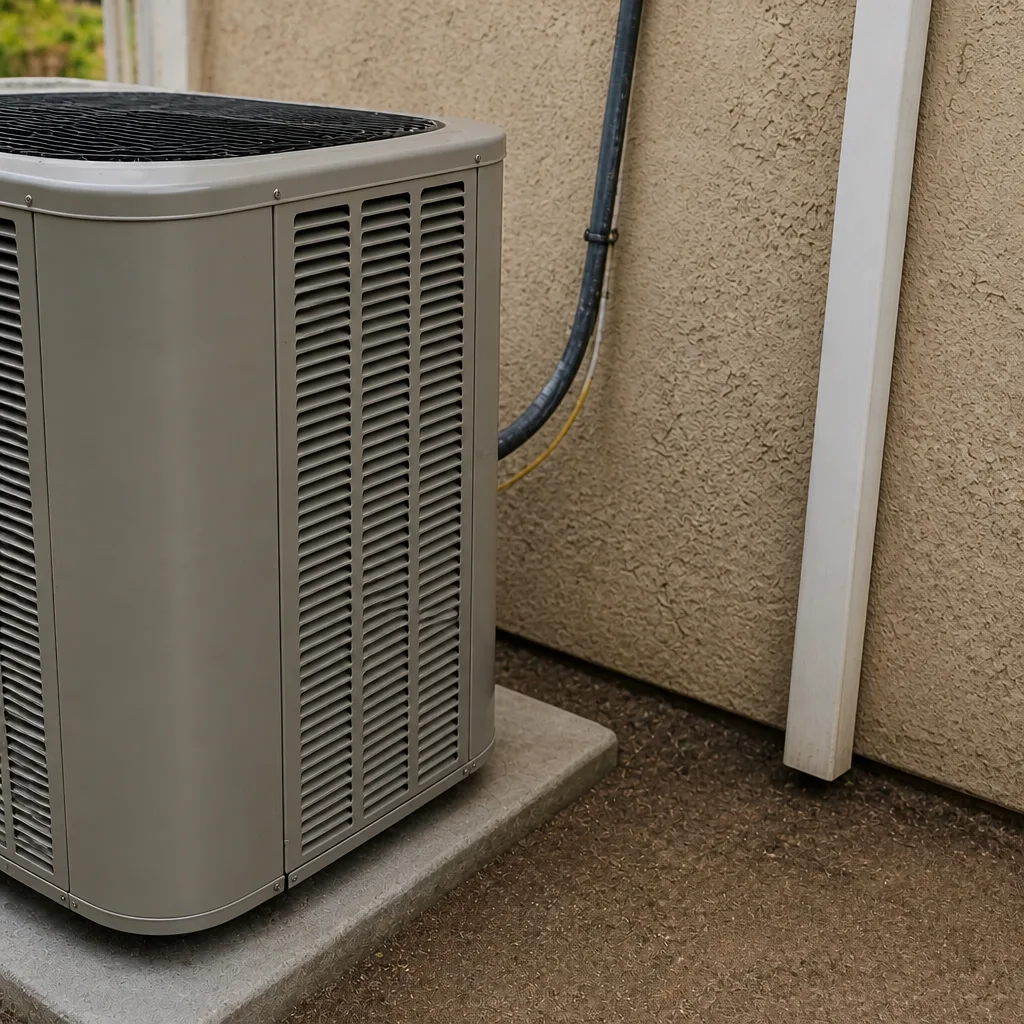 After
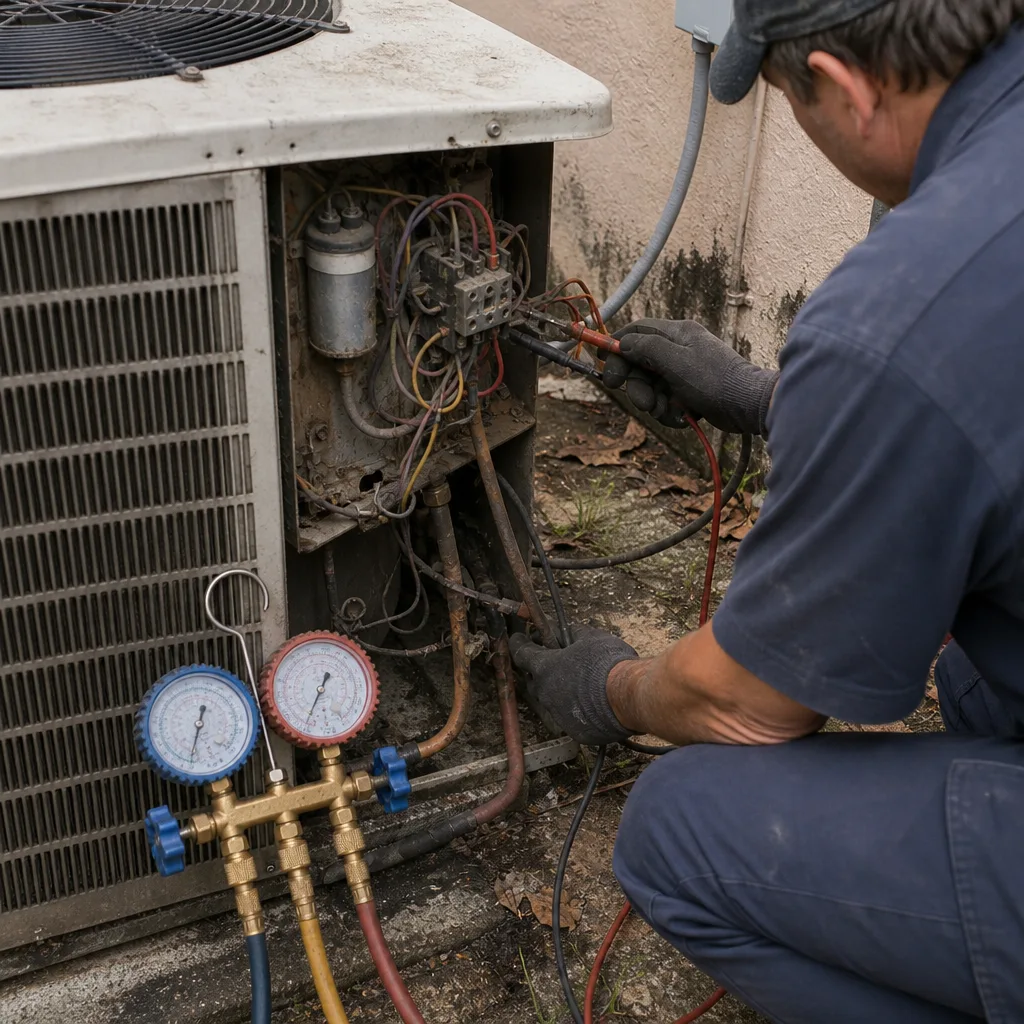 Before
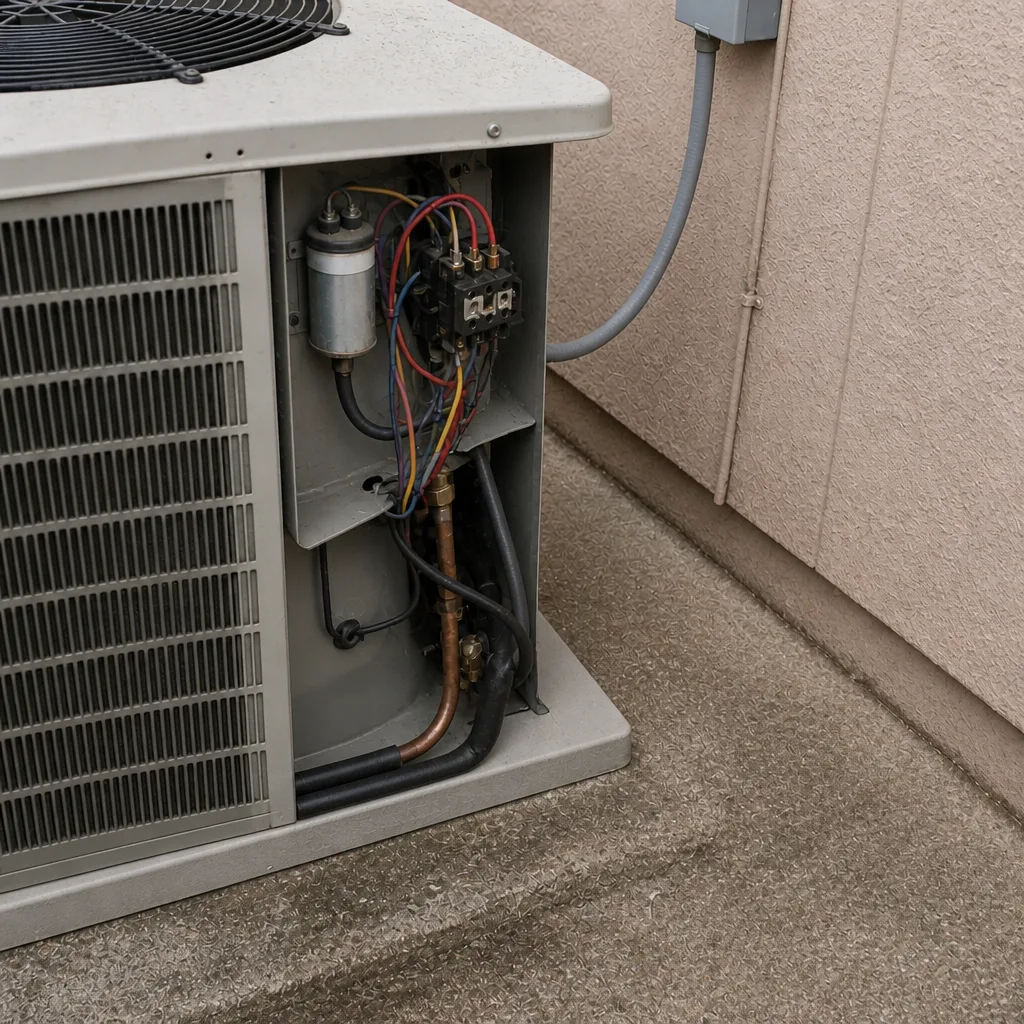 After
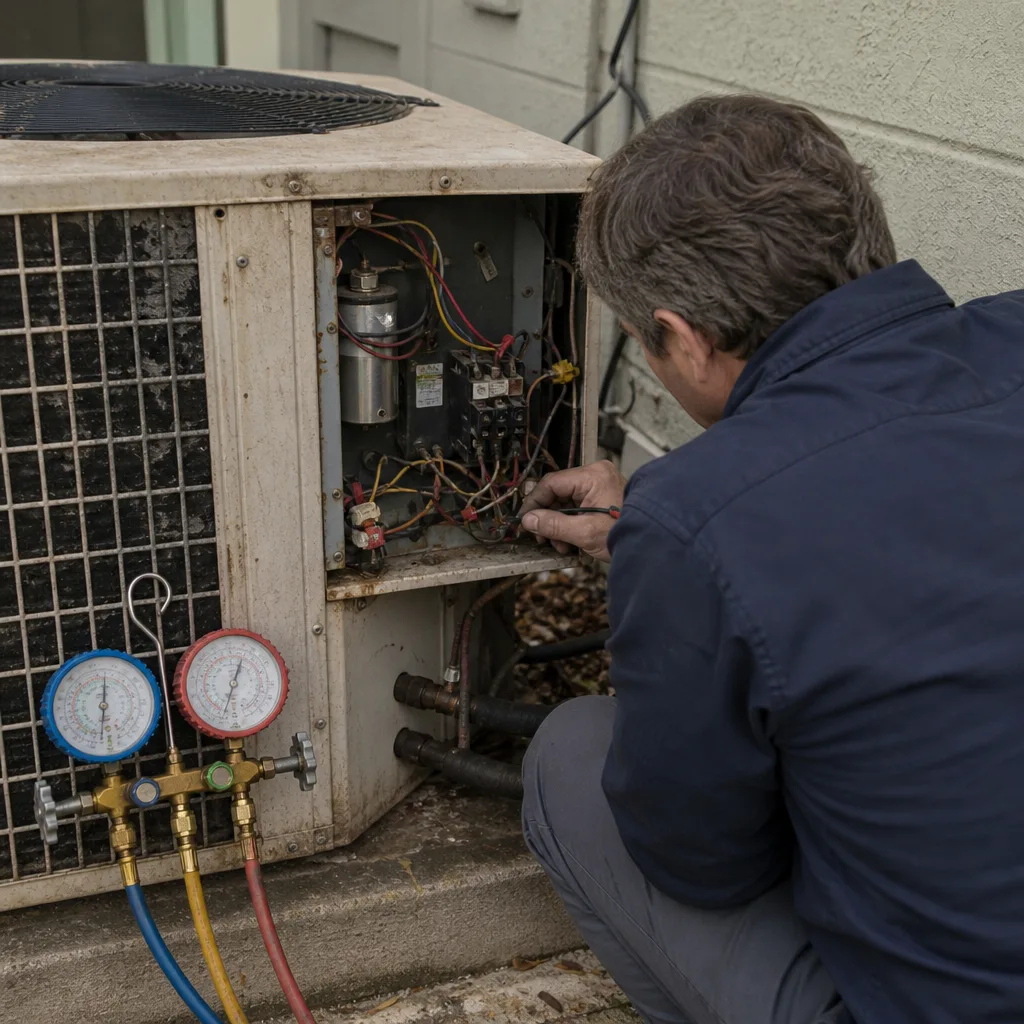 Before
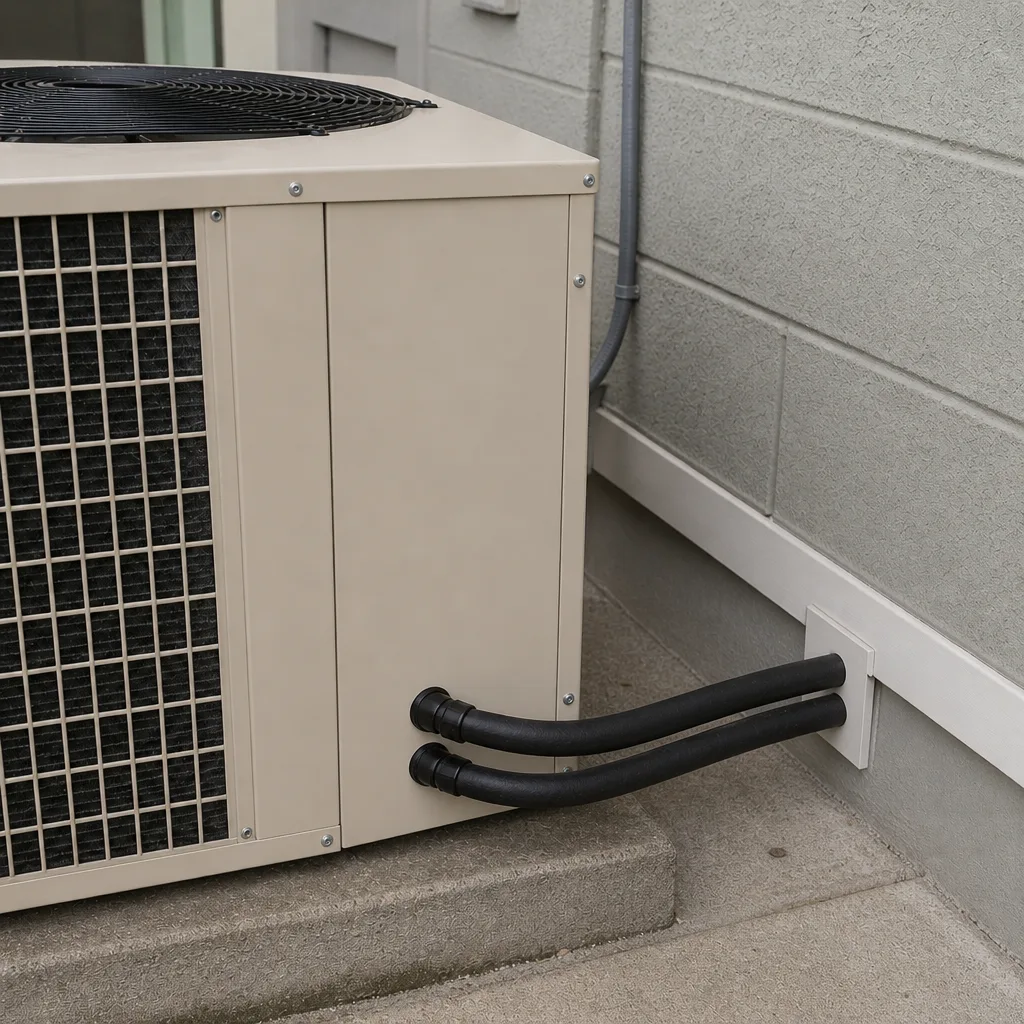 After
When to Call a Professional
Call a professional whenever a replacement decision is on the table, the existing system is failing repeatedly, or the home isn’t holding humidity or temperature the way it should. That’s not a suggestion to avoid learning about your own system; it’s a reminder that sizing, permitting, and commissioning are not DIY territory. Doing the estimate and the load calculation with a trained eye is where the money is made, and a wrong install is a much larger problem than a wrong diagnosis. If your equipment is brand-new and something doesn’t seem right, or if you’re weighing a repair against a replacement, get an honest assessment first. Linden AC Repair offers free estimates in Cape Coral, and you can reach us at (855) 595-4793. We answer 24/7, and fast dispatch runs from 7am to 7pm. If you have a furnace on the same system, our furnace repair team covers that side of the house too.
Frequently Asked Questions
A standard system replacement is typically a one-day job, and a more involved project with ductwork or electrical upgrades can run into a second day. The written estimate should state the expected timeline for your home.
Yes, installing a new AC system in Cape Coral generally requires a Lee County permit, and the installation is subject to inspection. The permit is not a formality; it protects your insurance and your ability to sell the home later, so confirm in writing that your contractor is handling it.
Most Cape Coral homes are well served by a two-stage or variable-speed system in the mid-to-upper efficiency range. The right number depends on your home’s insulation, ducts, and windows, which is why we size and calculate before recommending equipment.
Long runtimes are normal in a humid climate, and a correctly sized system runs long, steady cycles to remove moisture. What isn’t normal is a system that never reaches setpoint, runs noticeably more than it did in its first year, or leaves the house feeling clammy. If that’s happening, it’s worth a service call.
We install and service the equipment most homes already have, including Carrier, Daikin, Bryant, and American Standard systems, and we don’t push a single brand. The right choice is the one that fits your home and your budget, and we’ll explain the differences before you decide.
We default to repair when the existing equipment is sound, and recommend replacement only when repair no longer makes sense financially or the equipment is at end of life. If you’re unsure, our Linden AC Repair team will give you a straight answer and a free estimate. We answer 24/7, with fast dispatch from 7am to 7pm.
The Bottom Line
The right AC installation in Cape Coral comes down to a few things done correctly: a real Manual J load calculation, matched indoor and outdoor equipment sized for humidity, a Lee County permit and inspection, and a careful commissioning on installation day. Efficiency and brand matter, but they matter less than the process. If you’re replacing a system or just want to know whether you should, start with a written estimate and a load calculation. Call Linden AC Repair at (855) 595-4793 for a free estimate. We answer 24/7, and fast dispatch runs from 7am to 7pm across Cape Coral and the surrounding area.
Written by the team at Linden AC Repair.